Are you struggling to get the right traffic to your website? You might be using irrelevant keywords without even knowing it.
These keywords can waste your time, lower your search rankings, and attract visitors who aren’t interested in what you offer. Imagine spending hours on content that doesn’t bring real results. You’ll discover how to spot irrelevant keywords, why they hurt your SEO, and simple steps to fix the problem.
Keep reading to unlock the secret to attracting the right audience and growing your online presence effectively.
Impact Of Irrelevant Keywords
Irrelevant keywords cause many problems for websites and online campaigns. They can lower your site’s search engine rankings and make visitors leave quickly. These keywords waste money and effort without bringing good results.
How Irrelevant Keywords Affect Rankings
Search engines want to show the best results for users. Using irrelevant keywords confuses search engines about your page topic. This lowers your rank in search results. Your site might appear for wrong searches. This reduces your chance to reach the right audience.
User Experience And Bounce Rates
Visitors expect content that matches their search. Irrelevant keywords bring visitors who do not find what they want. They leave the page fast. This raises your bounce rate. High bounce rates signal poor user experience to search engines. This can hurt your site’s reputation and rankings.
Wasted Budget On Paid Campaigns
Paid ads with irrelevant keywords spend money on uninterested users. They click but do not buy or stay. This wastes your budget and lowers return on investment. Focusing on relevant keywords improves ad performance and saves money.

Credit: www.youtube.com
Identifying Irrelevant Keywords
Identifying irrelevant keywords is key to a strong SEO strategy. These keywords bring visitors who do not match your content. They reduce your website’s quality score and waste budget in paid ads. Spotting them early saves time and improves results.
Tools To Spot Keyword Mismatches
Several tools help find keyword mismatches quickly. Google Search Console shows which queries bring unwanted traffic. Keyword research tools like Ahrefs or SEMrush reveal unrelated terms linked to your site. These tools highlight keywords that do not fit your content’s theme.
Analyzing Search Intent
Search intent means the reason behind a user’s query. It can be informational, navigational, or transactional. Check if your keywords match what users want. For example, a user searching “buy shoes” expects a store, not a blog. Aligning keywords with intent stops irrelevant visits.
Competitor Keyword Analysis
Look at competitors’ keywords to identify gaps and mismatches. Competitors may rank for keywords that do not suit your audience. Compare their keywords with yours to spot irrelevant terms. This helps focus on keywords that bring quality traffic.
Common Seo Mistakes With Keywords
Using the wrong keywords can hurt your SEO efforts. Many website owners make simple mistakes with keywords that reduce their search engine ranking. Choosing the right keywords is key for better visibility and more visitors. Avoiding common errors helps improve your site’s performance.
Keyword Stuffing Risks
Keyword stuffing means overusing keywords on a page. This makes the content look unnatural and hard to read. Search engines may penalize sites that stuff keywords. It lowers user experience and trust. Write for people, not just for search engines.
Targeting Broad Or Unrelated Terms
Using broad or unrelated keywords wastes your efforts. These keywords attract visitors who are not interested. Your bounce rate may rise as visitors leave quickly. Choose keywords that match your content and audience. Focused keywords bring better traffic and engagement.
Ignoring Long-tail Keywords
Long-tail keywords are specific and less competitive. Ignoring them means missing easy chances to rank. They bring visitors ready to take action. Use long-tail keywords to reach a targeted audience. This strategy improves conversions and site relevance.
Strategies To Avoid Irrelevant Keywords
Using the right keywords is key to good SEO. Irrelevant keywords can waste time and hurt your ranking. Avoiding them helps attract the right visitors. Focus on strategies that keep your keywords clear and useful.
These tips help you find and keep only relevant keywords. They improve your content’s focus and reach.
Refining Keyword Research Process
Start by knowing your audience well. Use tools to find keywords related to your topic only. Remove broad or unrelated terms from your list. Check the search intent behind each keyword. Choose keywords that match what users want to find.
Aligning Keywords With Content Goals
Match keywords to the purpose of your content. If your goal is to inform, use keywords that explain ideas. For selling, pick keywords that show buying intent. This keeps your content clear and targeted. Avoid keywords that confuse the message or distract readers.
Regular Keyword Performance Reviews
Track how your keywords perform over time. Use analytics to see which bring visitors and which don’t. Remove or replace keywords that do not work well. Keep updating your list to fit current trends. Regular checks help maintain relevant and effective keywords.
Optimizing Content For Relevant Keywords
Optimizing content for relevant keywords improves your website’s visibility and user experience. It ensures your content matches what users really want. Using the right keywords drives quality traffic and reduces bounce rates.
Focus on keywords that fit the topic and user intent. Irrelevant keywords may attract visitors but won’t keep them engaged. This lowers your search rankings over time.
Creating Intent-driven Content
Write content that answers user questions clearly and directly. Understand what users want when they type a keyword. Are they looking to buy, learn, or compare?
Match your content to these needs. Use keywords naturally in titles, headers, and body text. This builds trust and keeps visitors on your site longer.
Balancing Keyword Density
Use keywords enough to signal relevance but avoid overuse. Too many keywords make content hard to read and seem spammy. Aim for 1-2% keyword density to keep content smooth.
Focus on quality writing. Let keywords fit naturally into sentences. This improves both SEO and user experience.
Using Semantic Seo Techniques
Include related words and phrases that support your main keywords. Search engines understand topics better with these terms. This helps your content rank for more search queries.
Use synonyms, related concepts, and questions. This creates a rich content environment. It also reduces reliance on exact keyword matches.
Credit: github.com
Measuring Seo Success
Measuring SEO success is key to understanding how well your efforts work. It helps you see if your website reaches the right audience. Using the right metrics shows if your SEO strategy brings value or wastes time.
Tracking the right data makes it easier to spot problems. It also guides you to improve your site’s ranking and user experience. Let’s explore three main ways to measure SEO success, especially to avoid irrelevant keywords.
Tracking Keyword Rankings
Check your website’s position for target keywords regularly. See if your chosen keywords bring traffic or if they are irrelevant. Low rankings on important keywords may mean you need to adjust your focus. Tracking helps you find keywords that attract visitors and those that don’t.
Monitoring Traffic Quality
Look at who visits your site and what they do there. High bounce rates and short visits often mean visitors don’t find what they want. Traffic from irrelevant keywords tends to be less engaged. Focus on visitors who spend time and interact with your content.
Adjusting Strategy Based On Analytics
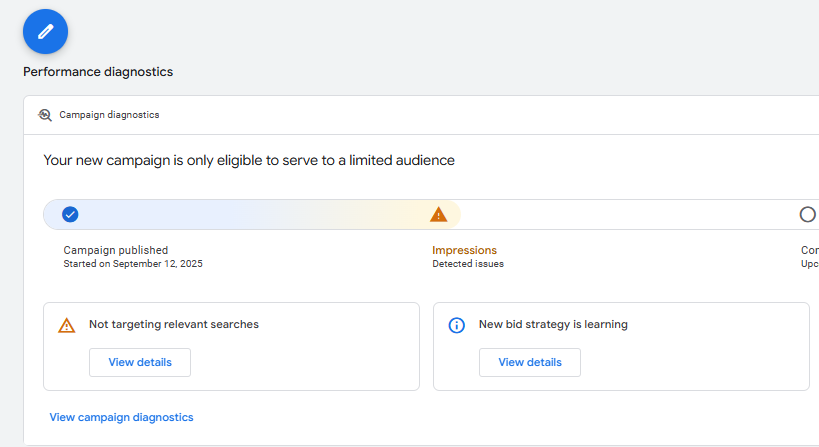
Use data from keyword rankings and traffic quality to change your SEO plan. Remove or replace irrelevant keywords that do not help your site’s goals. Try new keywords that better match your audience’s needs. Regular updates keep your SEO efforts effective and aligned with business goals.
Credit: support.google.com
Frequently Asked Questions
What Are Irrelevant Keywords In Seo?
Irrelevant keywords are search terms unrelated to your content or business. They attract unqualified traffic and lower user engagement. Using them can harm your website’s ranking and reduce conversion rates. Avoid them to improve SEO performance and attract the right audience effectively.
How Do Irrelevant Keywords Affect Website Ranking?
Irrelevant keywords confuse search engines about your page’s topic. This lowers your site’s relevance and authority in search results. Consequently, your website may rank lower and lose organic traffic. Maintaining keyword relevance is essential for better SEO rankings and user experience.
Why Should I Avoid Irrelevant Keywords?
Using irrelevant keywords wastes your marketing budget and resources. They attract visitors who are not interested in your products or services. This leads to higher bounce rates and fewer conversions. Avoiding them ensures better traffic quality and improved ROI on SEO efforts.
How To Identify Irrelevant Keywords In My Content?
Analyze your keyword list for terms unrelated to your main topic. Use analytics to check high bounce rates or low engagement keywords. Remove or replace these with targeted keywords that match user intent. This enhances your SEO relevance and user satisfaction.
Conclusion
Choosing relevant keywords matters for your website’s success. Irrelevant keywords waste time and lower your ranking. Focus on words that match your content and audience. This helps search engines show your site to the right people. Keep your keywords clear and connected to your topic.
Avoid stuffing unrelated terms just to get clicks. Quality matters more than quantity. Careful keyword use improves traffic and user experience. Stay simple, stay focused, and watch your site grow steadily.
Behöver du hjälp med din keyword-strategi? Kontakta Hive Creatives – våra SEO-tjänster säkerställer att du använder rätt nyckelord för rätt målgrupp.