If you want your story to reach the right people, journalist outreach is the key. Connecting with journalists can open doors to powerful media coverage that boosts your brand and builds trust.
But reaching out the right way isn’t always simple. You need to grab attention quickly and make your message stand out. You’ll discover practical tips to master journalist outreach and get your story noticed by the right reporters. Keep reading to learn how to turn your ideas into headlines.

Credit: backlinko.com
Crafting A Compelling Pitch
Crafting a compelling pitch is the first step in successful journalist outreach. A well-written pitch grabs attention quickly. It shows respect for the journalist’s time and interest. The goal is to make your story stand out clearly and simply.
The pitch should explain why the story matters now. It must connect with the journalist’s audience. A good pitch increases the chance of coverage and builds lasting relationships.
Tailoring Your Message
Write the pitch specifically for each journalist. Study their recent work and topics they cover. Use their name and mention relevant stories they wrote. Show you understand their focus and audience. Avoid generic pitches that feel like spam. Personal touches make your message more relevant and trusted.
Highlighting Newsworthy Angles
Find the unique part of your story that matters most. This could be new data, a local impact, or a timely event. Explain why the story is important today. Use facts and clear examples to support your point. Newsworthy angles help the journalist see why the story fits their work.
Keeping It Concise And Clear
Keep your pitch short and easy to read. Use simple language and short sentences. Avoid jargon and complex words. Get to the main point quickly. Use bullet points for key facts. End with a clear call to action or offer for more information.
Building Strong Media Relationships
Building strong media relationships is key to successful journalist outreach. Good connections help your stories get noticed and told the right way. Trust and respect grow over time with honest and consistent effort.
Strong relationships make journalists more open to your ideas. They also help you understand their needs better. This leads to more effective communication and better coverage.
Researching The Right Journalists
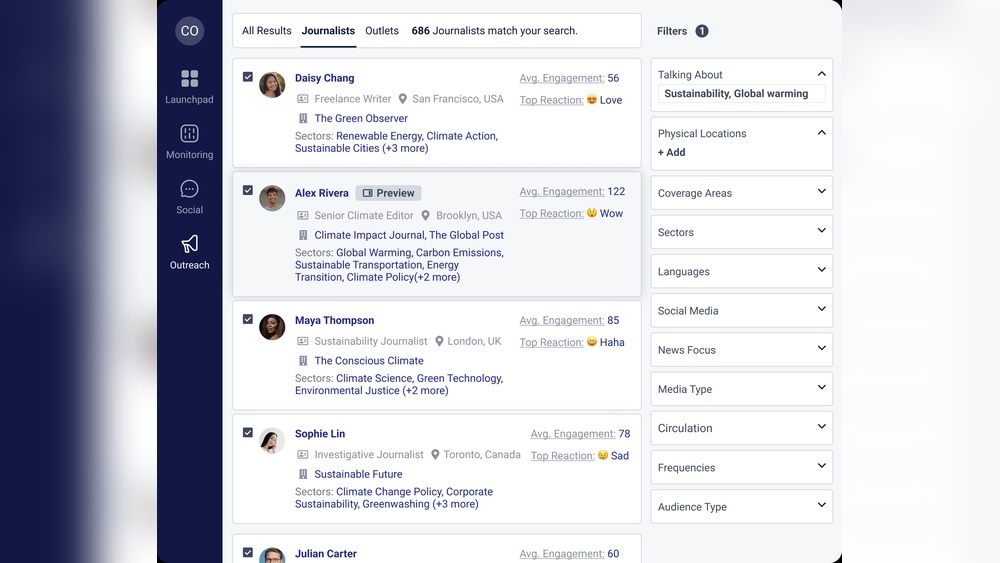
Find journalists who cover your industry or topic. Study their recent work to understand their style and interests. Use tools like media databases or social platforms to gather information. Focus on those who show genuine interest in your field. This makes your outreach more relevant and personal.
Engaging On Social Media
Follow journalists on Twitter, LinkedIn, and other sites. Like and comment on their posts to show support. Share their articles to build goodwill and visibility. Keep interactions professional and respectful. Social media engagement builds familiarity and trust over time.
Maintaining Regular Contact
Check in with journalists occasionally without overwhelming them. Send updates about your work or relevant news. Celebrate their achievements or milestones. Use email or social media to keep communication easy. Regular contact keeps you on their radar for future stories.
Timing Your Outreach Effectively
Timing your outreach effectively is key to catching a journalist’s attention. Journalists receive many pitches daily. Your message must arrive when they are most open to new stories. Good timing increases the chance your story gets noticed and covered.
Understanding how journalists work helps you send your pitch at the right moment. Knowing when news breaks and how deadlines shape their day is crucial. This knowledge helps you plan your outreach for the best impact.
Understanding News Cycles
News cycles show how stories move through the day or week. Morning news teams work early, so pitches should reach them the day before. Afternoon teams prefer stories by midday. Weekly publications have longer cycles, needing earlier outreach. Following these cycles helps your story fit into their schedule.
Avoiding Common Timing Mistakes
Sending pitches late on Fridays is risky. Journalists may miss them before the weekend. Avoid early Monday mornings when inboxes fill fast. Don’t pitch during major events or holidays. Your message might get lost. Careful timing avoids these errors and improves your success rate.

Credit: www.cision.com
Leveraging Press Releases And Media Kits
Press releases and media kits are key tools for journalist outreach. They provide clear and concise information that helps journalists cover your story. Well-crafted materials save journalists time and increase the chance of media coverage.
These tools create a strong first impression. They show professionalism and make it easy for journalists to find facts. Using press releases and media kits effectively can boost your brand’s visibility in the media.
Creating Impactful Press Releases
Write press releases with a clear headline. Keep the opening sentence short and direct. Focus on the main news or event you want to share.
Use simple language and avoid jargon. Include important details like who, what, where, when, and why. Make each sentence easy to read and understand.
End with a short paragraph about your company. Add contact information for journalists to reach you easily. Keep the press release one page long if possible.
Designing Informative Media Kits
Media kits should contain all key information about your brand. Include your company background, key team members, and recent news. Use clear headings and short paragraphs to organize content.
Add high-quality images and logos for media use. Provide quick facts and statistics for journalists to reference. Include contact details and social media links for easy access.
Keep the design clean and simple. Avoid clutter to help journalists find what they need fast. A good media kit makes your story easy to tell.
Utilizing Follow-ups Strategically
Following up with journalists is a key part of outreach. It shows interest and keeps your story on their radar. Done right, follow-ups build relationships without annoyance. This section explains how to use follow-ups smartly to improve response rates.
When And How To Follow Up
Wait about three to five days after your first email. This gives journalists time to read and consider your message. If you get no reply, send a polite follow-up. Keep it short and clear. Remind them of your story and why it matters. Avoid repeating the whole pitch. A brief note works best.
Balancing Persistence And Politeness
Being persistent shows you value the journalist’s time. But too many messages can annoy and hurt your chances. Limit follow-ups to two or three attempts. Always stay polite and respectful. Thank them for their time. Use friendly, professional language. This balance keeps doors open for future contact.
Measuring And Optimizing Outreach Efforts
Measuring and optimizing outreach efforts help improve results over time. It shows which tactics work best and where to make changes. Tracking key data points guides smarter decisions. This process keeps your outreach focused and effective.
Tracking Media Coverage
Track where your stories appear and who shares them. Note the type of media and audience reach. Use tools or manual checks to find coverage. This helps measure your outreach’s real impact on public awareness.
Analyzing Response Rates
Count how many journalists reply to your messages. Look for positive responses and interviews booked. Low response rates mean you may need to change your approach. Analyzing responses helps refine your message and timing.
Adjusting Strategies Based On Feedback
Use feedback from journalists to improve your outreach. Change your pitch if it feels unclear or too long. Test different email subjects and formats to find what works. Small adjustments can lead to better connections and coverage.

Credit: www.crowdcrux.com
Frequently Asked Questions
What Is Journalist Outreach In Pr Strategies?
Journalist outreach is a PR tactic to connect with reporters. It helps share news, stories, or press releases effectively. This builds media relationships and gains valuable coverage for brands or causes. It’s vital for increasing publicity and credibility.
How Do I Find Journalists For Outreach?
Use media databases, social media, and press releases to find journalists. Focus on those covering your niche or industry. Personalize your pitch to increase response rates. Building a relevant contact list improves outreach success.
Why Is Personalized Pitching Important In Journalist Outreach?
Personalized pitching shows respect for the journalist’s work and beats. It increases chances of your story being noticed and covered. Generic emails often get ignored. Tailoring your message to their interests builds trust and engagement.
When Is The Best Time To Send Journalist Outreach Emails?
Send outreach emails early in the week, ideally Tuesday to Thursday mornings. Avoid weekends and holidays when journalists are busy or offline. Timing affects open rates and response likelihood, maximizing your outreach effectiveness.
Conclusion
Journalist outreach helps build strong media connections. It spreads your message to the right audience. Clear, honest communication makes journalists trust you more. Personalizing your approach increases your chances of success. Keep your pitches short and relevant to their needs.
Follow up politely but don’t be pushy. These steps lead to better coverage and more visibility. Practice regularly to improve your outreach skills. Good journalist outreach opens doors for future opportunities. Try these tips and watch your media relationships grow.