If you want to improve your website’s SEO but feel confused about which links really help, understanding nofollow links is key. You might have seen links labeled “nofollow” and wondered what they mean or if they matter to your site’s ranking.
Knowing how nofollow links work can change the way you build your online presence and protect your site from penalties. Keep reading to discover what nofollow links are, why they matter to you, and how to use them smartly to boost your website’s performance.
Nofollow Links Explained
Nofollow links play an important role in website management and SEO. They help control which links pass value to search engines. Understanding nofollow links can improve your site’s link strategy and SEO performance.
This section explains what nofollow links are, their history, and how search engines treat them.
What Are Nofollow Links?
Nofollow links are links with a special tag in their code. This tag tells search engines not to follow the link or give it ranking credit. Webmasters use nofollow links to avoid passing SEO value to certain sites.
They often appear in comments, sponsored posts, or untrusted content. This helps prevent spam and controls link quality. Nofollow links look like normal links but include rel="nofollow" in the HTML.
History And Evolution
Nofollow links were introduced by Google in 2005. Their main goal was to fight spam and link manipulation. At first, nofollow was used mainly in blog comments to stop spammy links.
Over time, search engines updated how they handle nofollow links. In 2019, Google started treating nofollow as a hint, not a strict rule. This change allows Google to decide when to follow or ignore these links.
How Search Engines Treat Nofollow
Search engines use nofollow tags as signals, not commands. They may choose to follow the link or not. Usually, nofollow links do not pass SEO value or “link juice.”
Search engines use nofollow to reduce spam and control link influence. They still index the linked page but avoid counting the link for ranking. This helps keep search results fair and relevant.
Impact On Seo
Nofollow links have a unique role in SEO. They tell search engines not to pass ranking credit to the linked page. This affects how sites share authority and influence search rankings. Understanding their impact helps improve SEO strategies.
Nofollow Vs Dofollow Links
Dofollow links allow search engines to pass authority or ”link juice” to the linked page. This boosts the linked page’s ranking potential. Nofollow links, on the other hand, do not pass this authority. They signal to search engines to ignore the link for ranking purposes. Both types serve different roles in SEO and link building.
Role In Link Juice Distribution
Link juice flows through dofollow links, helping pages gain ranking power. Nofollow links block this flow. This can control which pages get SEO benefits. Using nofollow links can protect a site from sharing too much authority. It also helps avoid linking to low-quality or untrusted sites.
When Nofollow Helps Or Hurts Rankings
Nofollow links help when linking to untrusted or paid content. They prevent passing authority to such pages, keeping your site safe. Nofollow can hurt if used on important internal links. This blocks link juice to pages that need ranking power. Use nofollow links carefully to balance SEO benefits and risks.
Smart Link Building Techniques
Smart link building techniques help improve your website’s SEO safely. Using the right mix of nofollow and dofollow links keeps your link profile natural. It also protects your site from penalties. Understanding how to use nofollow links can boost your strategy effectively.
Balancing Nofollow And Dofollow
Use dofollow links for trustworthy and relevant sites. These links pass SEO value to your pages. Use nofollow links for less trusted or user-generated content. This balance helps search engines trust your site more. It prevents spammy links from hurting your rankings.
Leveraging User-generated Content
User comments, reviews, and forum posts add value to your site. These often include links that you cannot fully control. Adding nofollow to these links avoids passing SEO value to untrusted sites. It keeps your website safe from spam links. User-generated content still helps engagement and traffic.
Using Nofollow For Paid And Sponsored Links
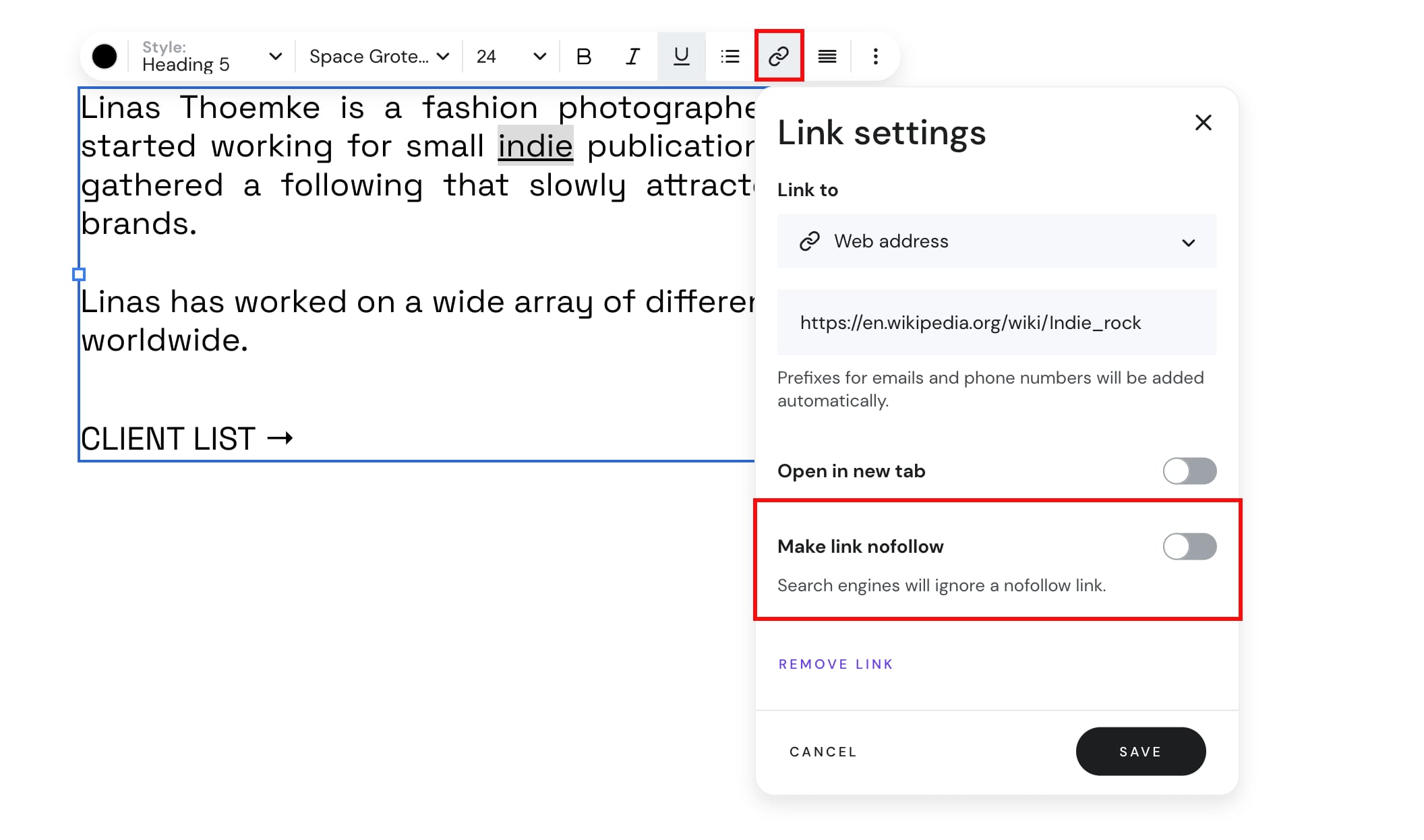
Paid links must have nofollow tags to follow search engine rules. This prevents penalties for buying or selling links. Mark sponsored links as nofollow to show transparency. It tells search engines not to pass SEO credit. This practice keeps your site compliant and trustworthy.
Credit: www.hostinger.com
Practical Tips For Implementation
Implementing nofollow links correctly helps control your website’s SEO and trust. It stops passing link juice to unreliable or paid sources. This keeps your site safe from search engine penalties. Below are practical tips for adding nofollow links and managing them effectively.
Best Practices For Adding Nofollow
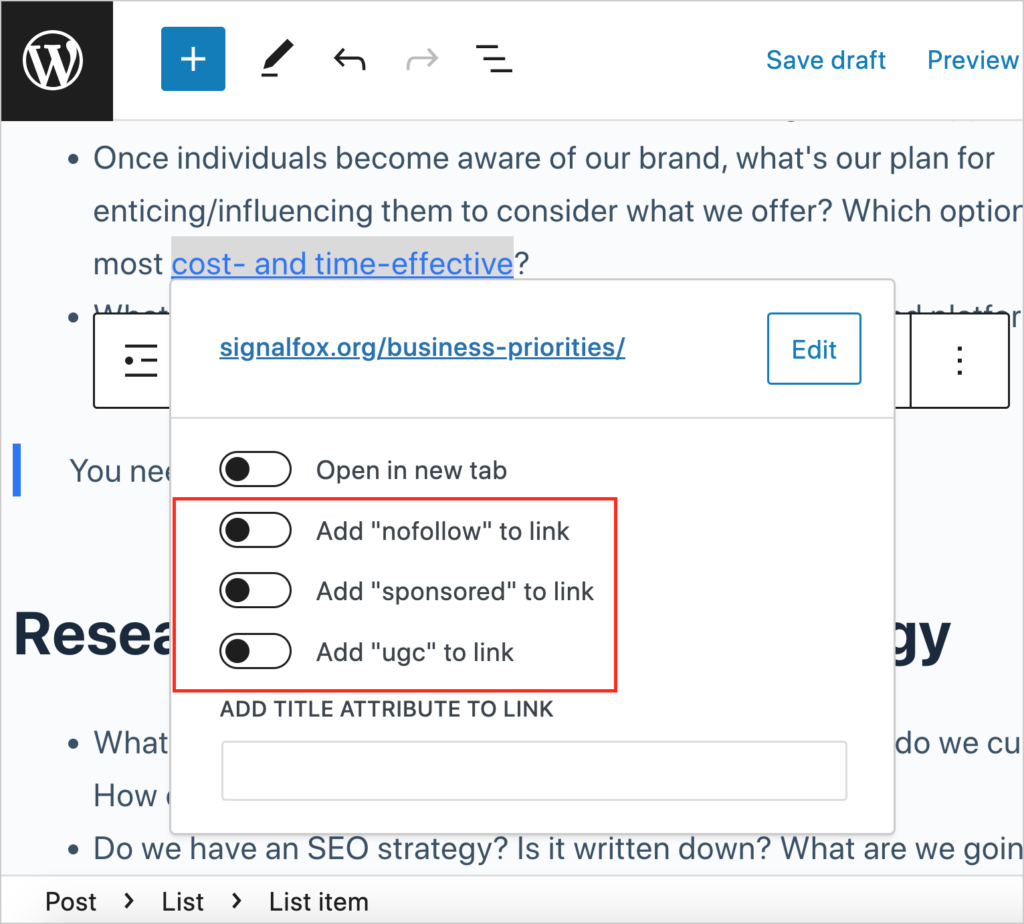
Use nofollow on paid or sponsored links to avoid spam penalties. Apply it to user-generated content like comments or forum posts. Add the nofollow attribute in the HTML like this: rel="nofollow". Don’t overuse nofollow on internal links; it can confuse search engines. Review external links regularly to decide which need nofollow.
Tools To Identify And Manage Links
Use SEO tools such as Ahrefs, SEMrush, or Moz to find nofollow and dofollow links. These tools show link types and their sources. Google Search Console helps spot suspicious or broken links. Browser extensions like Link Redirect Trace can reveal link attributes quickly. Keep a list of your nofollow links for easy tracking.
Monitoring Link Profiles Effectively
Check your link profile monthly to catch unwanted or harmful links. Look for sudden spikes in backlinks, which may signal spam. Remove or disavow low-quality links that hurt your SEO. Track changes in link status—nofollow links can become dofollow and vice versa. Regular monitoring keeps your site’s SEO healthy and strong.
Future Trends In Link Building
Link building is changing fast. Search engines grow smarter. Website owners must keep up with new trends. Understanding future trends helps maintain strong SEO. This section covers key changes in link building. These changes affect how nofollow links work and their value.
Evolving Search Engine Algorithms
Search engines update their rules often. They use AI to read links better. Nofollow links may gain new roles. Algorithms may treat some nofollow links as hints. This means nofollow links might still pass some value. Staying updated on these changes is important. It helps keep link strategies effective.
The Rise Of Sponsored And Affiliate Links
Sponsored and affiliate links are common now. Search engines want to spot paid links clearly. Using nofollow or sponsored tags is key. Proper tagging prevents penalties from search engines. It keeps websites safe and trusted. Marking links right will become a standard practice.
Adapting Strategies For Long-term Seo
Long-term SEO needs flexible link strategies. Focus on building links naturally with value. Mix dofollow and nofollow links smartly. Create content that attracts genuine links. Track link quality more than quantity. Adapt to search engines’ new link rules quickly. This approach protects rankings over time.

Credit: blog.paraphrasingstool.com
Credit: aioseo.com
Frequently Asked Questions
What Is A Nofollow Link In Seo?
A nofollow link tells search engines not to pass ranking value. It prevents link juice flow from one site to another. This tag helps control spam and maintain SEO quality. It’s used for untrusted or paid links.
How Do Nofollow Links Affect Website Ranking?
Nofollow links do not directly boost your site’s ranking. They don’t pass SEO authority or link juice. However, they can drive referral traffic and increase brand visibility. Search engines may still index these links but ignore them for ranking.
When Should You Use Nofollow Links?
Use nofollow links for paid ads, sponsored content, or untrusted sources. They help avoid penalties from search engines for unnatural linking. Nofollow also applies to user-generated content to control spam and maintain site credibility.
Can Nofollow Links Improve Site Traffic?
Yes, nofollow links can increase referral traffic from other websites. They don’t pass SEO value but can bring real visitors. Traffic from relevant nofollow links can indirectly improve your site’s authority over time.
Conclusion
Nofollow links help control which sites get search credit. They guide search engines without passing full authority. Using nofollow tags can keep your site safe from spam. They also help manage your link profile smartly. Not every link needs to boost your rankings.
Choose nofollow links to balance trust and SEO wisely. Understanding how they work improves your online strategy. Keep using nofollow links with clear purpose and care. This way, your website stays strong and well-managed.