If you want your website to get noticed, understanding SEO is a must. But SEO can feel confusing and overwhelming when you’re just starting out.
Don’t worry—you’re in the right place. This guide breaks down SEO basics in simple terms that anyone can follow. By the end, you’ll know exactly what steps to take to improve your site’s visibility and attract more visitors. Ready to unlock the secret to getting found online?
Let’s dive in.
What Is Seo
SEO stands for Search Engine Optimization. It helps websites show up in search results. The goal is to get more visitors from search engines like Google.
SEO focuses on making your website easy to find and useful. It involves changes to your website and content. These changes help search engines understand your site better.
What Does Seo Do?
SEO helps websites rank higher in search results. Higher ranking means more people see your site. This can lead to more visitors and potential customers.
Search engines use programs called crawlers. These crawlers look at pages on the internet. They collect information to list pages in search results.
Why Seo Matters
Most people click on the first few search results. SEO helps your site appear in those top spots. This increases your chance of being visited.
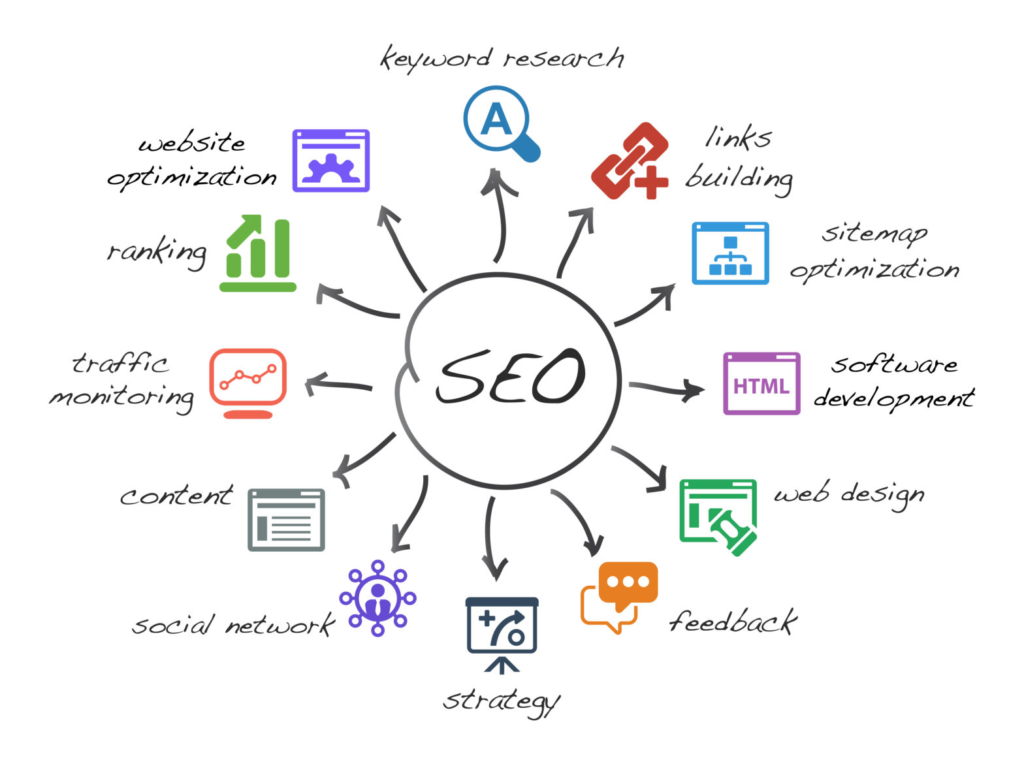
Credit: engineeringcopywriter.com
How Search Engines Work
Search engines help people find information on the internet. They look through billions of web pages to find the best answers. Understanding how they work can help you improve your website’s visibility. This section explains the main steps search engines use to rank pages.
Crawling
Crawling means search engines send bots to explore the web. These bots visit pages and follow links to discover new content. They collect data about each page they visit. Without crawling, search engines cannot find or list your pages.
Indexing
After crawling, search engines organize the collected data. They store this information in a large database called an index. The index helps search engines quickly find relevant pages for any search query. Pages not indexed will not appear in search results.
Ranking
Ranking decides the order of pages shown in search results. Search engines use many factors to rank pages. These include keywords, page speed, and how many other sites link to your page. Good ranking means your page appears near the top.
Key Seo Components
Understanding key SEO components helps websites rank higher in search results. These elements work together to improve site visibility and user experience. Beginners can focus on three main areas. Each plays a unique role in SEO success.
On-page Seo
On-Page SEO means optimizing content and HTML source code. This includes using relevant keywords in titles and text. Clear headings help both users and search engines. Meta descriptions provide a short summary for search results. Images should have descriptive alt text. Internal links connect pages within the site. These steps make content easier to find and understand.
Off-page Seo
Off-Page SEO focuses on actions outside your website. Building quality backlinks from trusted sites increases authority. Social media shares and mentions also help boost reputation. Online reviews improve trust with users and search engines. These factors tell search engines your site is popular and reliable. It takes time but improves overall search ranking.
Technical Seo
Technical SEO ensures the website works well behind the scenes. Fast loading speed keeps visitors engaged and reduces bounce rates. Mobile-friendly design adapts to all screen sizes. Proper URL structure makes pages easier to crawl. Secure websites use HTTPS to protect visitors. Fixing errors and broken links improves site health. Technical SEO creates a strong foundation for other SEO efforts.
Keyword Research Tips
Keyword research is the first step in SEO. It helps you find words your audience types in search engines. Good keywords bring visitors to your site. Poor choices waste time and effort. Learn how to pick the best keywords for your content.
Finding The Right Keywords
Start by thinking about your topic. What words do people use to describe it? Write down simple phrases related to your content. Check what your competitors use. Choose words that match what your audience wants. Avoid very broad or unclear terms.
Using Keyword Tools
Use free or paid tools to find keyword ideas. Tools show how often people search for each word. They also suggest similar keywords. Some popular tools are Google Keyword Planner and Ubersuggest. These tools help you pick words with good traffic and low competition.
Long-tail Keywords Benefits
Long-tail keywords are longer, specific phrases. They get fewer searches but more targeted visitors. People using these phrases often want to buy or learn. It’s easier to rank higher for long-tail keywords. They help your site reach the right audience fast.
Optimizing Content
Optimizing content is key to improving your website’s search engine ranking. It helps your pages show up in search results and attract visitors. Good content keeps readers interested and encourages them to explore more. Simple and clear content works best for beginners. Focus on making your text useful and easy to follow.
Creating Quality Content
Quality content answers questions clearly and fully. Use facts and examples that readers can trust. Write original text that adds new ideas. Avoid copying from other sites. Keep your content fresh by updating it regularly. Use images or videos to explain points better. Quality content builds trust and keeps visitors coming back.
Using Keywords Strategically
Keywords are words people type in search engines. Use keywords naturally in your text. Place them in titles, headings, and first paragraphs. Avoid stuffing keywords too many times. Use related words to help search engines understand your topic. Research keywords that match what your audience searches. This makes your content easier to find online.
Improving Readability
Readability means how easy your text is to read. Use short sentences and simple words. Break long paragraphs into smaller ones. Add bullet points or lists to organize ideas. Use headings to separate topics clearly. Check for spelling and grammar mistakes. Clear writing helps readers stay longer on your page.
Building Backlinks
Building backlinks is an important part of SEO. Backlinks are links from other websites that point to your site. They help search engines trust your content more. The more quality backlinks you have, the better your site can rank in search results.
Getting backlinks takes effort. Not all links have the same value. Some links help your site grow, while others can harm it. Learning how to earn good links and avoid bad ones is key for beginners.
Why Backlinks Matter
Backlinks act like votes of confidence for your website. Search engines see these votes as signs your content is useful. Sites with many good backlinks often rank higher in search results. Backlinks also bring direct visitors from other websites. They increase your site’s visibility and reach.
Techniques To Earn Links
Creating great content is the best way to get backlinks. Write helpful articles that others want to share. Reach out to bloggers or websites in your niche politely. Offer to guest post or share your knowledge. Use social media to promote your content and attract attention. Join forums or groups related to your topic and add value there.
Avoiding Bad Links
Not all backlinks help your SEO. Links from spammy or irrelevant sites can hurt your rankings. Avoid buying links or using link farms. Stay away from low-quality directories or comment spam. Focus on getting links from trusted, relevant websites. Regularly check your backlink profile to remove bad links.
Technical Seo Basics
Technical SEO is the foundation of a well-ranked website. It helps search engines understand and index your site properly. This part of SEO focuses on site structure, speed, and usability. Fixing technical issues improves user experience and search rankings.
Improving Site Speed
Fast websites keep visitors engaged. Slow pages cause users to leave quickly. Compress images to reduce file size without losing quality. Use browser caching to load pages faster for repeat visitors. Minimize CSS and JavaScript files to speed up loading times.
Mobile Optimization
More people use phones to browse the internet. Mobile-friendly sites rank higher in search results. Use responsive design to fit all screen sizes. Make buttons and links easy to tap. Avoid large images or content that slows down mobile loading.
Fixing Crawl Errors
Crawl errors stop search engines from indexing your pages. Check Google Search Console for error reports. Fix broken links and missing pages quickly. Create a clear sitemap for easier navigation. Regularly monitor your site to prevent new crawl issues.

Credit: backlinko.com
Tracking Seo Performance
Tracking SEO performance is key to improving your website’s visibility. It shows what works and what needs change. Without tracking, your efforts might miss the mark. Simple tools and clear data guide you to better results. Let’s explore how to track SEO progress effectively.
Using Analytics Tools
Analytics tools collect data about your website visitors. They show how many people visit and what pages they view. Google Analytics is a popular choice. It helps you understand user behavior. You can see which keywords bring traffic. This data helps improve your content and SEO strategy.
Monitoring Rankings
Checking your website’s position in search results matters. Higher rankings mean more visitors. Use rank tracking tools to see where you stand for target keywords. Track changes regularly to spot trends. This helps you know if your SEO efforts pay off or need tweaking.
Adjusting Strategies
SEO is not a one-time job. Use your tracking data to change your approach. Improve pages that do not perform well. Add new keywords based on research. Test different content types and links. Adapting keeps your website competitive and improves rankings over time.
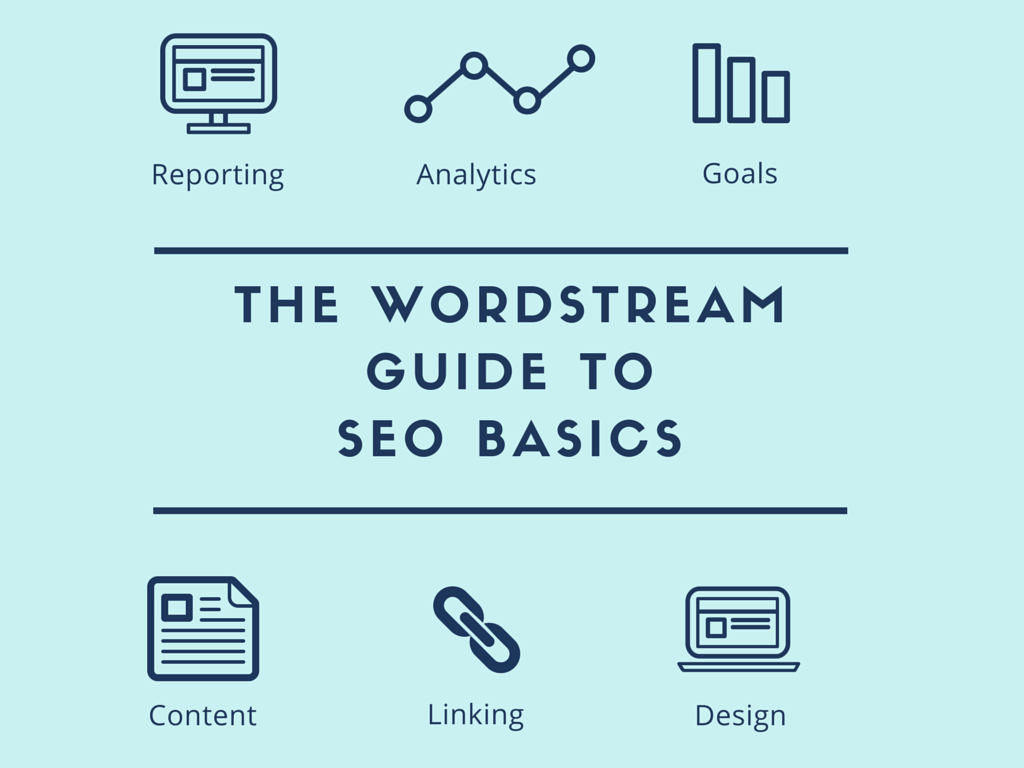
Credit: www.wordstream.com
Frequently Asked Questions
What Is Seo And Why Is It Important?
SEO stands for Search Engine Optimization. It improves website visibility on search engines. SEO drives organic traffic, boosts credibility, and increases sales. It helps your site rank higher for relevant searches. Effective SEO is essential for online business success.
How Do Keywords Impact Seo For Beginners?
Keywords connect your content to search queries. Using relevant keywords helps search engines understand your page. Proper keyword research guides content creation. Overusing keywords can harm rankings. Beginners should focus on natural, targeted keyword placement for better SEO results.
What Are On-page Seo Basics Every Beginner Should Know?
On-page SEO involves optimizing content and HTML source code. Key elements include titles, meta descriptions, headings, and images. Proper use of keywords and internal links enhances user experience. Mobile-friendliness and fast loading speed are vital. On-page SEO improves site relevance and rankings.
How Long Does It Take To See Seo Results?
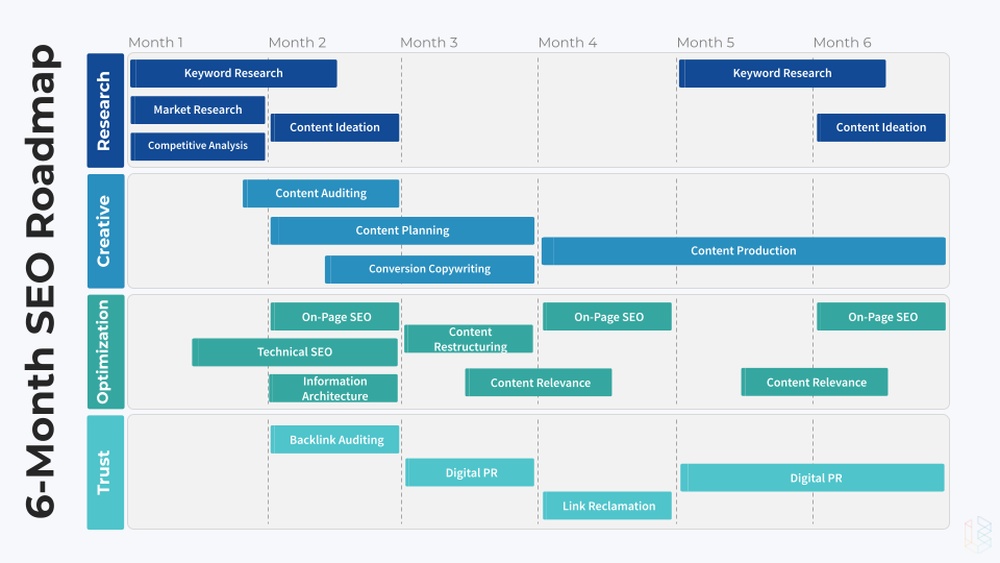
SEO results vary by competition and strategy. Typically, it takes 3 to 6 months to notice improvements. Consistent efforts in content, backlinks, and technical SEO accelerate progress. Patience and ongoing optimization are crucial for lasting success.
Conclusion
SEO basics help your website get found by more people online. Start with simple steps like choosing the right keywords and creating quality content. Use clear titles and descriptions to attract visitors. Check your site speed and make it easy to use on phones.
Keep learning and updating your SEO skills. Small changes can bring steady growth over time. Stay patient and consistent. Your efforts will help your site reach a wider audience and improve its ranking. SEO is a journey, not a quick fix.
Keep going!