


Are you ready to see how real websites turn simple clicks into steady income? If you want to build your own affiliate marketing site or improve the one you have, seeing successful examples can spark your best ideas.
You’ll discover proven affiliate marketing website examples that show exactly how to attract visitors, earn trust, and boost sales. By the end, you’ll feel inspired and equipped to take your affiliate business to the next level. Keep reading—your next big breakthrough could be just a few examples away.
Popular Affiliate Sites
Popular affiliate sites earn money by promoting products and services. They share honest reviews and helpful tips. These sites build trust with their readers. Readers often buy products through their links. This helps the sites earn commissions. Different niches attract different audiences. Below are some top examples of popular affiliate websites.
Tech And Gadget Leaders
Tech affiliate sites focus on the latest gadgets and devices. They review smartphones, laptops, and accessories. Sites like TechRadar and CNET show detailed product comparisons. Visitors trust their expert advice. These sites often include video reviews and tutorials. Their content helps buyers make smart choices.
Fashion And Lifestyle Influencers
Fashion affiliate sites highlight clothing, shoes, and accessories. Influencers share outfit ideas and style tips. They often feature seasonal trends and sales. Sites like Who What Wear attract many fashion lovers. These platforms link to popular brands. Their readers enjoy easy shopping experiences.
Health And Wellness Platforms
Health affiliate sites promote supplements, fitness gear, and wellness products. They offer guides on nutrition and workouts. Sites like Healthline recommend trusted products. Readers appreciate clear, simple advice. These platforms encourage healthy living through their content.

Credit: walletsquirrel.com
Design Features That Convert
Design plays a big role in how well an affiliate marketing website performs. A clean, clear layout keeps visitors interested and guides them to take action. Good design helps build trust and makes products easier to find. This section covers key design features that help turn visitors into buyers.
User-friendly Navigation
Easy navigation helps visitors find what they want fast. Menus should be simple and clear. Use categories that make sense to your audience. Breadcrumbs show users where they are on the site. This reduces frustration and keeps visitors longer. Clear navigation improves user experience and boosts conversions.
Mobile Optimization
Many people browse on phones or tablets. A mobile-friendly site adjusts to different screen sizes. Buttons should be big enough to tap. Text must be readable without zooming. Fast loading speeds matter on mobile. Mobile optimization ensures all users can access your site easily. This increases the chances of clicks and sales.
Effective Call-to-actions
Call-to-actions (CTAs) tell visitors what to do next. Use strong, simple words like “Buy Now” or “Learn More.” Place CTAs where they catch the eye, such as near product details. Use contrasting colors for buttons to stand out. Clear CTAs guide visitors toward making a purchase. This step is critical for converting traffic into income.
Content Strategies That Work
Effective content helps affiliate marketing websites attract visitors and earn trust. It must answer questions and solve problems. Clear, helpful content keeps readers interested. It also encourages them to click affiliate links.
Below are some content strategies that work well for affiliate sites. These methods provide value and boost sales.
In-depth Product Reviews
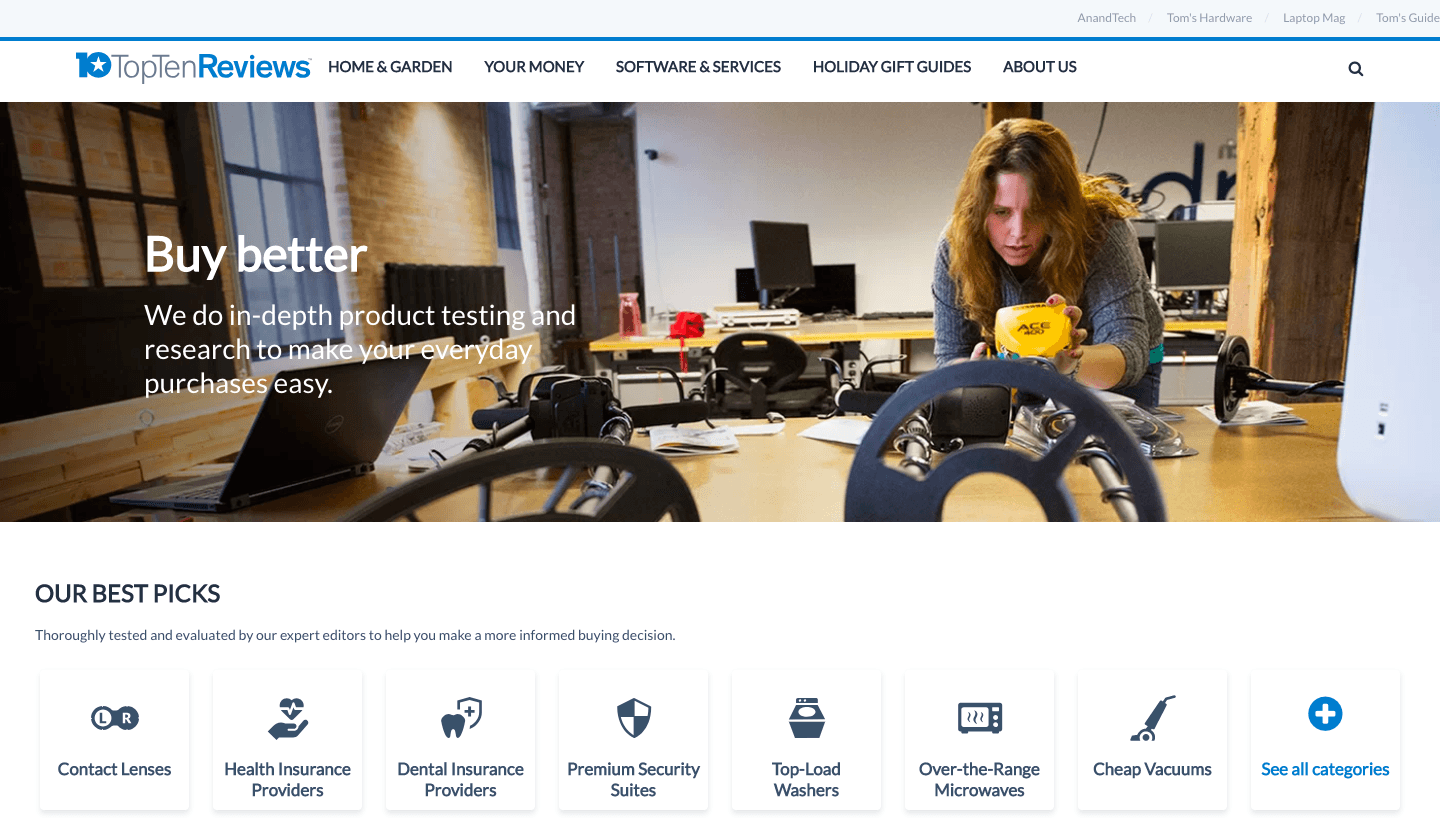
Detailed reviews help visitors understand products better. They cover features, pros, and cons clearly. Honest opinions build trust with readers. Showing real use and results makes reviews stronger. Including photos or videos adds proof and interest.
Comparison Guides
Comparison guides show differences between similar products. They help visitors choose what fits their needs. Side-by-side lists of features and prices make decisions easier. Clear pros and cons for each product improve clarity. These guides reduce buyer confusion and increase confidence.
Tutorials And How-tos
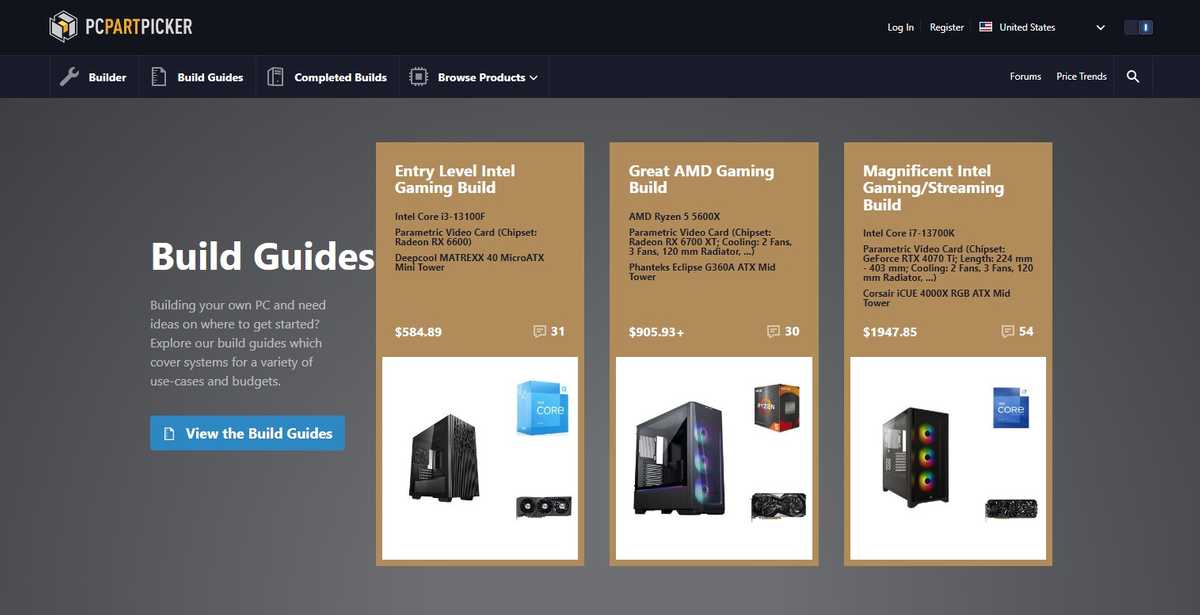
Tutorials teach visitors how to use a product or service. Step-by-step instructions help beginners feel confident. How-tos solve common problems or show creative uses. Videos or images in tutorials increase understanding. Practical guides keep readers engaged and coming back.
Credit: weblium.com
Monetization Techniques
Affiliate marketing websites use various methods to earn money. These monetization techniques help websites make income by promoting products or services. Different strategies suit different audiences and niches. Successful websites often combine several methods to boost earnings. Understanding these techniques helps new marketers build effective affiliate sites.
Diverse Affiliate Programs
Many affiliate websites join multiple affiliate programs. This lets them promote a wider range of products. Some programs pay per sale, others pay per lead or click. Websites choose programs that fit their audience interests. For example, tech sites join electronics programs. Fashion blogs pick clothing and accessory programs. This variety increases chances of earning commissions.
Sponsored Content Integration
Some affiliate sites add sponsored posts or reviews. Brands pay for content that features their products. These posts often include affiliate links to track sales. Sponsored content blends naturally with regular articles. It provides value and earns money at the same time. Readers get honest reviews while the site gains revenue.
Email Marketing Campaigns
Email campaigns promote affiliate products directly to subscribers. Websites collect emails through sign-ups or free offers. Regular newsletters share product recommendations and deals. Personalized emails increase click rates and conversions. This method builds a loyal audience ready to buy. It creates steady income from repeat visitors.
Traffic Generation Methods
Affiliate marketing websites need steady traffic to earn commissions. Traffic generation methods help bring visitors to these sites. Different strategies attract visitors from search engines, social networks, and paid ads. Choosing the right method depends on the website’s niche and audience.
Seo Best Practices
SEO helps websites rank higher on search engines like Google. Use relevant keywords naturally in titles and content. Write clear, useful articles that answer visitors’ questions. Optimize images with descriptive alt text. Build links from trustworthy sites to boost authority. Fast loading speed and mobile-friendly design improve rankings. Consistent SEO efforts increase organic traffic over time.
Social Media Engagement
Social media platforms connect websites with many potential visitors. Share helpful posts that relate to your affiliate products. Engage with followers by replying to comments and messages. Use visuals like images and videos to catch attention. Join groups or communities where your audience spends time. Regular activity on social media can drive steady referral traffic.
Paid Advertising Approaches
Paid ads offer quick traffic to affiliate websites. Platforms like Google Ads and Facebook Ads target specific audiences. Create clear, simple ads with strong calls to action. Test different ads to find what works best. Set a budget to control spending and track results. Paid ads can complement other methods for faster growth.
Tools And Technologies Used
Affiliate marketing websites rely on various tools and technologies. These tools help track sales, manage content, and analyze performance. Choosing the right tools improves efficiency and boosts revenue.
Affiliate Tracking Software
Tracking software records clicks, leads, and sales from affiliates. It ensures accurate commission payments and prevents fraud. Popular options include ShareASale, CJ Affiliate, and Impact. These tools offer real-time data and easy integration with websites.
Content Management Systems
Content management systems (CMS) help create and organize website content. WordPress is the most common CMS for affiliate sites. It supports many plugins designed for affiliate marketing. CMS platforms allow easy updates and design changes without coding skills.
Analytics And Reporting Tools
Analytics tools measure website traffic and user behavior. Google Analytics is widely used for detailed reports and insights. These tools identify top-performing pages and affiliate links. Clear data helps marketers improve strategies and increase earnings.
Lessons From Top Performers
Top affiliate marketing websites share common habits. These habits help them grow steadily and earn well. Studying these sites can teach valuable lessons. The main lessons include being consistent, building trust, and adapting to changes.
Consistency And Patience
Top sites post content regularly. They do not stop after a few posts. They keep sharing useful information over months and years. This steady work builds a strong audience. Success does not come overnight. It grows slowly with effort and time.
Building Trust And Authority
Trusted sites give honest reviews and facts. They avoid pushing products aggressively. People visit these sites for real advice. Experts write clear, helpful content. This builds authority in their niche. Visitors return and follow their recommendations.
Adapting To Market Trends
Top affiliate sites watch market changes closely. They update content and try new products fast. They use new tools and technology to improve. This keeps their site fresh and useful. Adapting helps them stay ahead of competitors.
Credit: breezy.io
Frequently Asked Questions
What Are Top Examples Of Affiliate Marketing Websites?
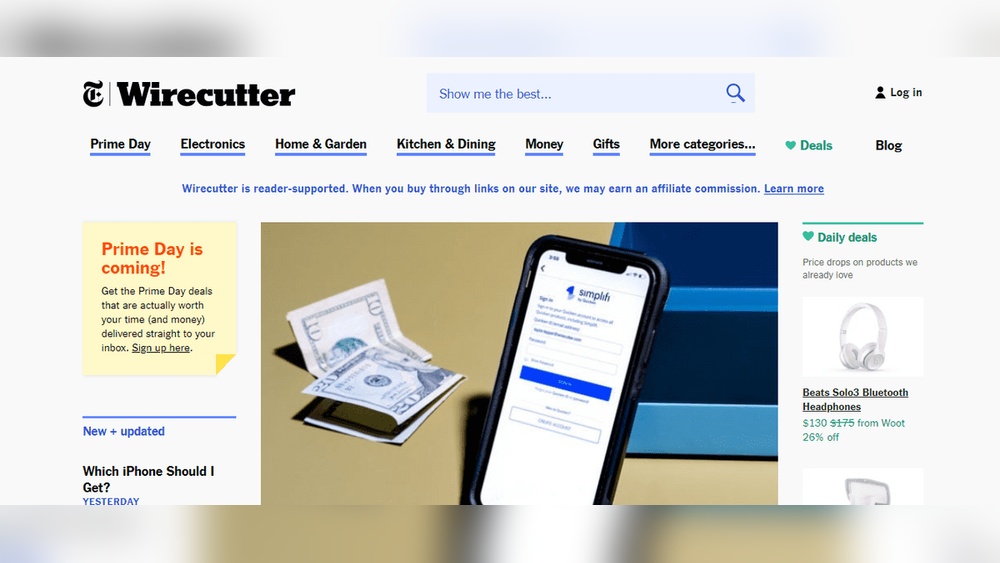
Top affiliate marketing websites include Wirecutter, NerdWallet, and The Points Guy. They effectively use product reviews and niche content to drive sales. These sites focus on user trust and SEO to rank high and generate commissions.
How Do Affiliate Marketing Websites Make Money?
Affiliate marketing websites earn commissions by promoting products or services. When visitors buy through their links, the site earns a percentage. Success depends on targeted content, high traffic, and relevant affiliate programs.
What Features Make Affiliate Websites Successful?
Successful affiliate websites have clear calls-to-action, quality content, and user-friendly design. They focus on SEO and niche-specific topics to attract targeted visitors. Trust and transparency also boost conversions and repeat visits.
Can Beginners Create Profitable Affiliate Marketing Websites?
Yes, beginners can create profitable affiliate websites by choosing a niche, creating quality content, and joining affiliate programs. Consistency and learning SEO basics help grow traffic and earnings over time.
Conclusion
Affiliate marketing websites show many ways to earn online. Each example uses clear design and honest content. They focus on helping visitors find useful products. You can learn from their style and approach. Start small, test what works best for you.
Consistency and patience bring steady growth over time. Remember, success comes from effort and smart choices. Keep improving your site and content every day. This way, you build trust and attract more visitors. Affiliate marketing can be simple with the right steps.