

Our UX design service crafts user experiences based on user research, behavioral data, and usability testing – not assumptions or creative director whims. UX design is the difference between a website that merely looks good and a product that genuinely solves user problems, reduces friction, and drives measurable conversion. We leverage in-depth interviews, contextual observations, quantitative data from GA4 and Hotjar/Clarity, wireframes, and interactive Figma prototypes, alongside moderated and unmoderated usability tests via Maze, Lookback, or UserTesting – for B2B, SaaS, e-commerce, and the public sector.
\n\n\n\nUser research, interviews, and behavioral data
\n\n\n\nWe conduct in-depth interviews with real users and customers, contextual observations, diary studies, and analysis of GA4, heatmaps, session replays (Hotjar, Microsoft Clarity, Fullstory), and form data. We map the customer journey, identify jobs-to-be-done, define personas based on behavior (not demographics), and document clear friction points – ensuring every design decision is evidence-based.
\n\n\n\n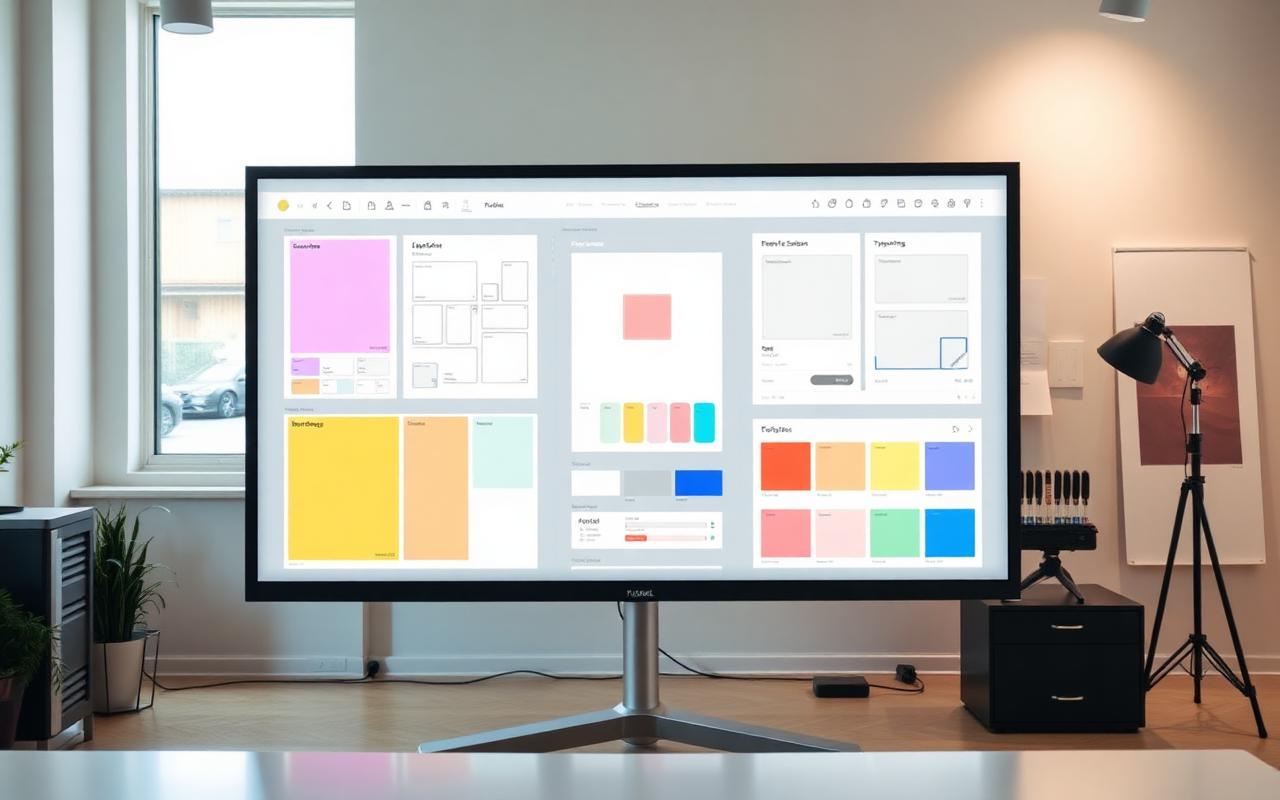
Information architecture and navigation design
\n\n\n\nWe structure information so users find what they need on the first attempt. Card sorting (open, closed, hybrid), tree testing in Treejack, navigation patterns for large sites, faceted navigation for e-commerce, dashboard IA for SaaS, and clear URL architecture that also benefits SEO. The result is navigation both humans and Googlebot understand.
\n\n\n\nWireframes and interactive Figma prototypes
\n\n\n\nWe build lo-fi wireframes for rapid idea generation and hi-fi interactive Figma prototypes that behave like the finished product – featuring variants, conditional logic, smart animate, and built-in user flows. Prototypes are tested with real users before a single line of code is written, saving months of development time and preventing costly rework.
\n\n\n\nUsability testing and iterative validation
\n\n\n\nWe conduct both moderated usability tests (Lookback, Zoom, UserTesting) and unmoderated tests (Maze, Useberry) with the right number of users per iteration (5-8 per persona), task-based scenarios, think-aloud protocols, and clear success metrics. Results are documented in prioritized insight reports and fed directly back into the design.
\n\n\n\nAccessibility, inclusive design, and WCAG 2.2
\n\n\n\nGood UX is accessible UX. We design according to WCAG 2.2 AA and inclusive design principles – keyboard navigation, screen reader flows, focus management, ARIA patterns, focused form errors, cognitive accessibility, and support for reduced motion and animations. This is both a legal requirement (EAA from June 2025) and a design principle that makes the product better for everyone.
\n\n\n\nGet started with ux design.
\n\n\n\nWe run a free analysis, present a plan and send you a proposal – all within a week.
\n