



Are you looking to get the most out of your online ads without wasting time or money? Choosing the right PPC tools can make all the difference in boosting your campaign’s success.
Whether you’re new to pay-per-click advertising or want to sharpen your skills, the right tools help you find the best keywords, track your results, and beat your competition. Keep reading to discover the best PPC tools that will give your ads the edge they need to bring real results.
Your next big win could be just a click away.
Top Ppc Tools In 2024
Top PPC tools in 2024 help manage and improve ad campaigns. These tools offer data insights, bid management, and keyword research. Choosing the right tool saves time and increases ad performance. This guide covers the best options available today.
Features That Matter
Look for tools with easy-to-use dashboards. Accurate keyword tracking and competitor analysis are crucial. Automation features reduce manual work and errors. Integration with Google Ads and social platforms is a plus. Real-time reporting helps make quick decisions.
Pricing Comparison
Most PPC tools offer monthly or yearly plans. Some provide free trials or basic free versions. Prices range from $20 to over $200 per month. Choose a plan that fits your budget and needs. Consider hidden costs like extra users or data limits.
User Ratings And Reviews
Check user feedback for real-world performance insights. High ratings usually mean reliable features and support. Watch for common complaints like slow updates or poor customer service. Verified reviews give a clearer picture than marketing claims. User experiences help pick the right tool.
Keyword Research Tools
Keyword research tools help find the best words to use in PPC campaigns. They show which keywords get the most clicks and conversions. These tools also reveal the cost and competition level for each keyword. Using the right keywords saves money and improves ad performance.
Finding High-performing Keywords
Good keywords bring the right visitors to your site. Research tools list keywords with high search volumes and low costs. They suggest related words you may not know. This helps create ads that attract more clicks. Choose keywords that match your product or service closely.
Competitor Keyword Analysis
These tools let you see which keywords your rivals use. You can find gaps in their strategy and target those keywords. Analyzing competitors helps avoid bidding wars on expensive keywords. It also reveals new ideas for your campaigns. Knowing competitor keywords helps you stay ahead in PPC.
Ad Creation And Optimization
Ad creation and optimization play a key role in successful PPC campaigns. Ads must capture attention and encourage clicks. Poor ads waste budgets and lower returns.
Effective ad creation combines clear messages with strong calls to action. Optimization improves ad performance by testing and refining elements. Smart tools help marketers save time and boost results.
Crafting Effective Ad Copy
Good ad copy is simple and direct. It highlights benefits clearly and quickly. Use active verbs to invite action, such as “buy,” “try,” or “discover.”
Include keywords that match what people search for. Make the message match the landing page content. This builds trust and improves quality score.
Keep sentences short and easy to understand. Avoid jargon or complex words. Focus on what makes your offer special or helpful.
A/b Testing Platforms
A/B testing platforms let you compare two versions of an ad. They show which version gets more clicks or conversions. This helps find what works best.
Test different headlines, descriptions, images, and calls to action. Change one element at a time for clear results. Use tools that track performance automatically.
Review test data regularly. Use insights to improve future ads. Small changes can lead to big gains in ad success.
Credit: www.smartsites.com
Bid Management Solutions
Bid management solutions help advertisers control their pay-per-click (PPC) campaigns. They adjust bids to get the best results at the lowest cost. These tools save time and improve ad performance by managing bids across many keywords and campaigns.
Using bid management tools can reduce manual work. They use data and rules to make smart bidding decisions. This leads to higher click-through rates and better return on investment.
Automated Bidding Strategies
Automated bidding uses software to set bids automatically. It considers factors like budget, goals, and competition. The system adjusts bids in real time to get more clicks or conversions. This helps advertisers reach their targets without constant monitoring.
Different strategies exist, such as target cost per acquisition or maximize clicks. Each suits different campaign goals. Automation reduces human errors and reacts faster to market changes.
Manual Vs Automated Bidding
Manual bidding lets advertisers set bids themselves for each keyword. It gives full control but takes time and effort. Manual bids might miss chances to optimize quickly.
Automated bidding frees up time and uses data to improve performance. It may lack some control but adjusts bids faster. Choosing depends on your experience, budget, and goals.
Campaign Analytics And Reporting
Campaign analytics and reporting are crucial for PPC success. They show how your ads perform. Data helps you spend money wisely. You can see which ads bring the best results. This section covers key features of PPC tools that track and report campaign data clearly.
Tracking Roi Metrics
ROI metrics measure how much profit your ads make. Good PPC tools track clicks, conversions, and cost per action. They calculate return on investment automatically. This saves time and avoids guesswork. Knowing ROI helps you focus on ads that earn money. It also shows which campaigns need improvement.
Customizable Dashboards
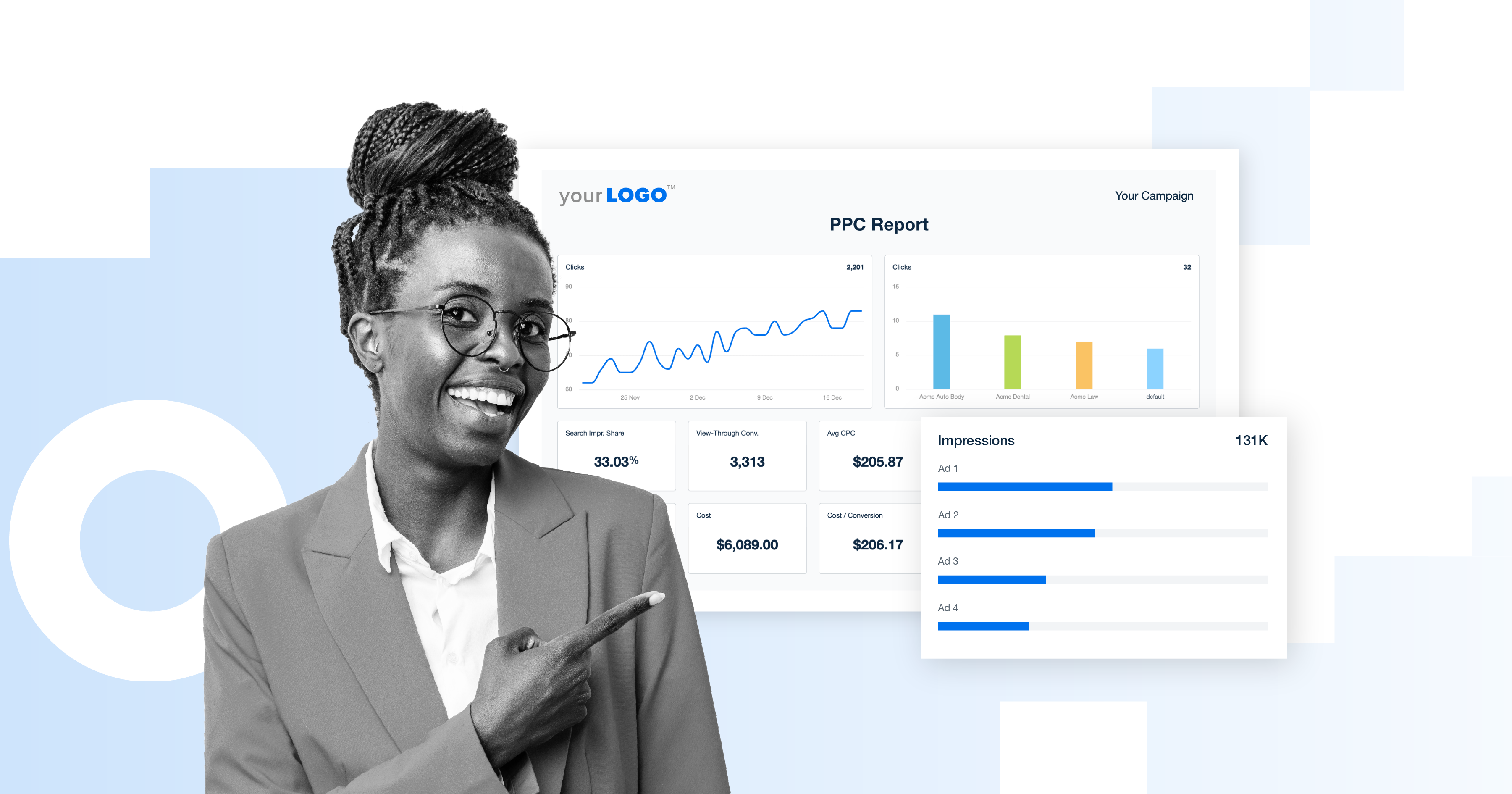
Dashboards display important campaign data in one place. Customizable dashboards let you choose what to see. You can pick charts, graphs, and tables that matter most. This makes it easier to understand your data quickly. Custom views help different team members focus on their goals. Clear dashboards reduce confusion and speed up decisions.
Credit: backlinko.com
Integrations And Compatibility
Integrations and compatibility are key for any PPC tool. They help connect your ad campaigns with other software you use. This makes managing data and workflows easier. A PPC tool that works well with other platforms saves time and reduces errors.
Choosing tools that fit well with your existing systems improves your marketing efforts. It lets you share information smoothly between apps. This way, you get better insights and can act faster on results.
Connecting With Crm Systems
CRM systems store customer data and track interactions. PPC tools that connect with CRMs send lead info automatically. This helps sales teams follow up quickly with new leads. It also shows which ads bring the best customers.
Integration with CRM means no manual data entry. Leads captured from ads go straight to your database. This keeps information accurate and up to date. Marketing and sales teams work better together with this link.
Third-party Tool Support
Many PPC tools support third-party apps for extra functions. This includes analytics, reporting, and automation software. Connecting these tools improves campaign tracking and performance.
Using third-party apps with PPC tools helps you gather more data. You can analyze customer behavior and ad results in detail. This leads to smarter decisions and better ad spending.
Choosing The Right Ppc Tool
Choosing the right PPC tool is a key step for online advertising success. The right tool helps manage campaigns, control costs, and track results. It saves time and improves ad performance. Picking a tool that fits your business needs makes a big difference.
Every business is different. Your goals, budget, and experience affect which tool suits you best. Understanding these factors helps find the perfect PPC tool.
Assessing Business Needs
Start by listing your main goals. Do you want to increase sales, get more leads, or boost traffic? Identify what matters most. Check your budget and available time. Some tools need more hands-on work. Others automate many tasks.
Consider your current skill level. Beginners may need simple, easy-to-use tools. Experts might want advanced features and detailed reports. Also, think about the platforms you use. Some tools specialize in Google Ads, while others support multiple networks.
Scalability And Flexibility
Choose a tool that grows with your business. Start small but plan to expand campaigns later. A scalable tool handles more ads and data without problems. Flexibility is also important. Your needs might change over time.
Check if the tool allows custom settings and adjustments. Can you add new features as you grow? Make sure it supports changes in your marketing strategy. A tool that adapts saves money and effort in the long run.
Credit: agencyanalytics.com
Frequently Asked Questions
What Are The Best Ppc Tools For Beginners?
The best PPC tools for beginners include Google Ads Editor, SEMrush, and WordStream. These tools simplify campaign management, keyword research, and performance tracking. They offer user-friendly interfaces and helpful tutorials to ease the learning curve and improve ad results efficiently.
How Do Ppc Tools Improve Campaign Performance?
PPC tools improve campaign performance by automating bid management, analyzing keywords, and tracking conversions. They help identify high-performing ads and optimize budgets. Using these tools saves time and increases ROI by targeting the right audience with data-driven decisions.
Can Ppc Tools Help Reduce Advertising Costs?
Yes, PPC tools help reduce advertising costs by optimizing bids and targeting. They identify wasted spend and suggest budget reallocations. This ensures you pay only for relevant clicks and improve cost-efficiency across campaigns.
Which Ppc Tools Offer Competitor Analysis Features?
Tools like SEMrush, SpyFu, and Ahrefs offer competitor analysis. They reveal competitors’ keywords, ad copies, and budget strategies. This insight helps you create better campaigns and gain a competitive edge in your niche.
Conclusion
Choosing the right PPC tools makes ad campaigns easier and more effective. These tools help track results and save time every day. Good tools show what works and what does not. They guide decisions and improve your ad budget use.
Try different tools to find the best fit for your needs. Start small and grow with the tools you trust. Success in PPC comes from smart choices and steady work.