Are you ready to unlock the true power of your writing? A well-crafted blog post can grab attention, build trust, and keep your readers coming back for more.
But how do you create content that stands out and connects with your audience? You’ll discover simple yet effective tips to make every blog post you write more engaging and impactful. Keep reading, and you’ll learn how to turn your ideas into posts that truly resonate with your readers.
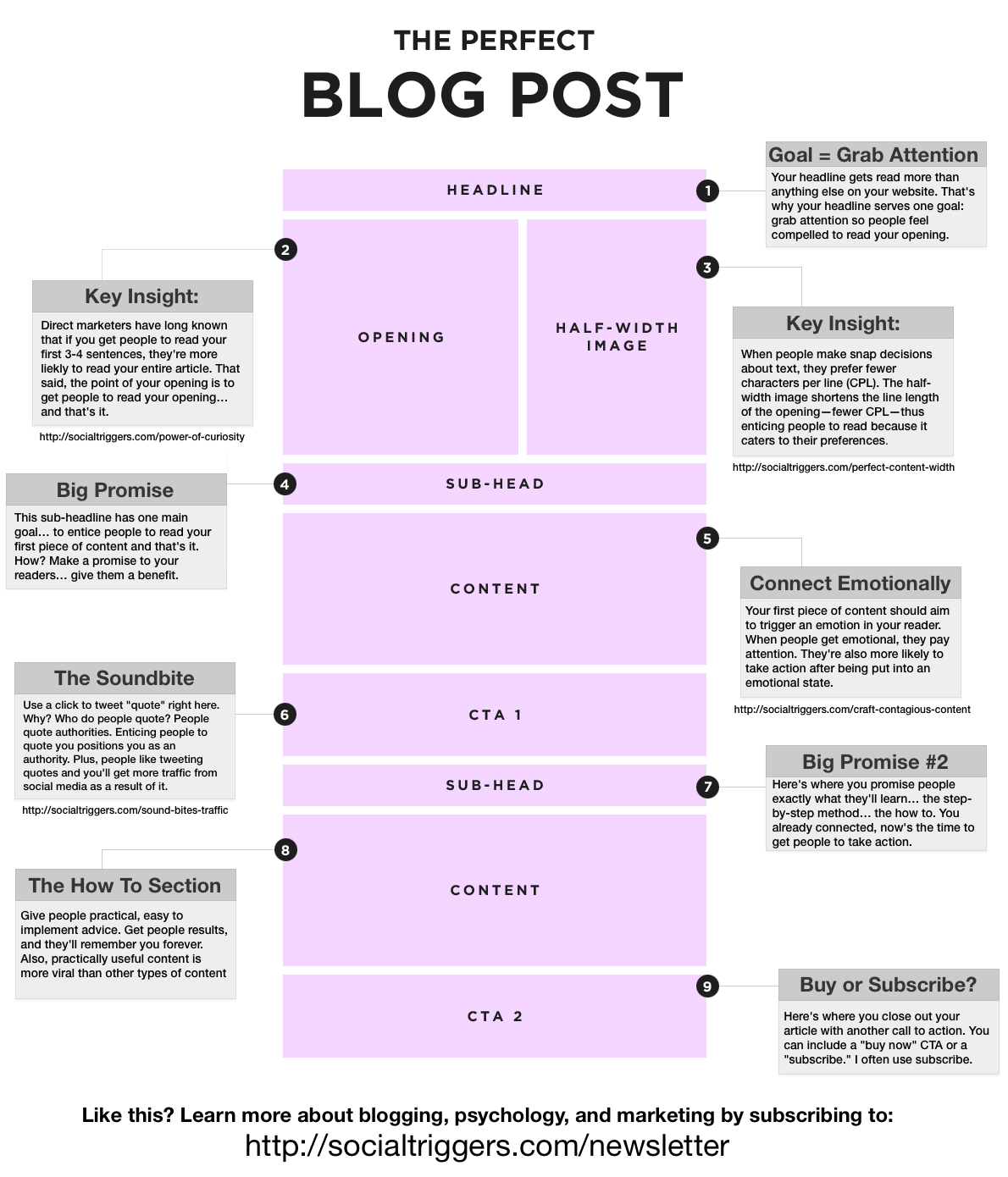
Credit: socialtriggers.com
Set Clear Traffic Goals
Setting clear traffic goals is essential for any blog post strategy. It helps focus efforts and measure success. Without goals, tracking progress becomes difficult. Clear goals guide content creation and promotion. They ensure that every step works toward attracting the right visitors.
Identify Your Target Audience
Knowing your target audience shapes your traffic goals. Define who you want to reach by age, interests, or location. This helps create content that appeals directly to them. Understanding your audience increases chances they will visit and stay. Tailor your posts to solve their problems or answer their questions.
Choose Relevant Metrics
Select metrics that show real progress toward your goals. Focus on numbers like page views, unique visitors, or average time on page. Track engagement through comments, shares, or bounce rate. These metrics reveal if your content attracts and keeps the right audience. Regularly review data to adjust your strategy and improve results.
Optimize Content For Seo
Optimizing content for SEO helps your blog posts rank higher on search engines. This means more readers find your content easily. Small changes can improve your visibility and attract the right audience.
Use Keyword Research Tools
Keyword research tools show what people search for online. Use them to find popular and relevant words. Add these keywords naturally into your post. This helps search engines understand your content better.
Craft Compelling Titles And Meta Descriptions
Titles and meta descriptions appear in search results. Write clear and interesting titles that include main keywords. Meta descriptions should summarize the post in simple words. Good titles and descriptions increase clicks and visits.
Improve On-page Elements
On-page elements include headings, images, and links inside your post. Use headings to organize content clearly. Add descriptive alt text to images with keywords. Link to other useful pages to keep readers engaged. These steps boost SEO and user experience.
Leverage Social Media Platforms
Social media platforms offer great chances to share your blog posts. They help you reach many people fast. Using these platforms well can grow your blog’s audience and bring more readers. Focus on how to use social media smartly to get the best results.
Select The Right Channels
Choose social media sites where your readers spend time. Different platforms suit different topics. For example, Instagram is good for photos and short videos. LinkedIn works well for professional content. Pick a few channels to focus on and post regularly.
Create Shareable Content
Make posts easy to share. Use clear images and short text. Write headlines that catch attention quickly. Add questions or facts to invite comments. Share tips or stories that readers find useful. Simple, interesting content spreads faster.
Engage With Your Audience
Talk with your followers by replying to comments and messages. Ask questions to start conversations. Show you value their opinions and feedback. Active engagement builds trust and keeps readers coming back. It turns visitors into a loyal community.
Credit: www.blogtyrant.com
Utilize Email Marketing
Email marketing is a powerful tool for sharing your blog posts. It helps you reach readers directly in their inbox. This method builds a strong connection and keeps your audience engaged over time. Use email marketing to share new posts, updates, and special content.
Focus on quality over quantity. A well-planned email strategy can boost your blog’s traffic and loyalty. Here are key steps to make email marketing work for your blog.
Build A Quality Email List
Start by collecting emails from people interested in your blog. Use simple signup forms on your website. Offer something valuable, like a free guide or newsletter. Avoid buying email lists. They often contain uninterested people and hurt your reputation. A smaller, engaged list is better than a large, inactive one.
Design Effective Newsletters
Make your emails easy to read and visually clean. Use clear headlines and short paragraphs. Include images related to your blog posts. Add a direct link to your latest content. Keep your layout mobile-friendly. Many people read emails on phones. A neat design encourages readers to click and visit your blog.
Personalize Your Messages
Use the reader’s name to start the email. Send content based on their interests or past behavior. Personalized emails feel special and get more attention. Avoid sending the same message to everyone. Tailor your emails to make readers feel you understand them. This approach builds trust and improves engagement.
Collaborate With Influencers
Collaborating with influencers can boost your blog’s reach and credibility. Influencers have loyal followers who trust their opinions. Working with them helps your content reach new audiences. It also adds a fresh voice to your blog. Successful collaboration needs smart planning and clear goals.
Find Relevant Influencers
Choose influencers who match your blog’s topic. Their audience should care about your content. Check their engagement rates, not just follower count. Look for genuine interactions and comments. Use tools or social media to find these influencers. Focus on quality, not quantity of followers.
Plan Joint Campaigns
Work with influencers to create content together. Decide on the type of content that fits both audiences. Plan posts, videos, or stories that promote your blog naturally. Set clear roles and deadlines. Keep communication open and honest throughout the project.
Measure Partnership Results
Track how well the collaboration performs. Use metrics like website traffic, social shares, and comments. Check if your blog gains new followers or subscribers. Analyze what worked and what didn’t. Use this data to improve future collaborations.
Improve Website Performance
Improving website performance is key to keeping visitors happy and engaged. A fast, easy-to-use site encourages users to stay longer and explore more. Small changes can make a big difference in how your site feels and works.
Speed Up Loading Times
Slow websites lose visitors quickly. Reduce image sizes to help pages load faster. Use caching to save data and cut loading time. Limit the use of heavy scripts that slow down the site. Fast pages improve user experience and boost search rankings.
Enhance Mobile Experience
More people browse on phones than computers. Design your site to fit small screens smoothly. Use larger buttons and readable fonts for easy tapping. Avoid pop-ups that block content on mobile devices. A good mobile site keeps users coming back.
Simplify Navigation
Clear navigation helps users find what they want quickly. Use simple menus with few items. Group related pages under easy labels. Add a search bar for quick access to content. Easy navigation reduces frustration and improves user flow.
Use Paid Advertising Wisely
Paid advertising can boost your blog’s reach quickly. It puts your posts in front of many readers fast. Using ads wisely saves money and brings better results. Focus on clear goals and smart planning. Avoid spending without a clear plan.
Set A Budget
Decide how much money you can spend on ads. Keep your budget small at first. This helps you avoid losing too much money. Increase the budget only when ads work well. A clear budget stops overspending and waste.
Target Ads Precisely
Choose your audience carefully. Pick people who like your blog topic. Use age, location, and interests to narrow down users. Precise targeting means better clicks and less wasted money. Ads should speak directly to the right readers.
Analyze Campaign Performance
Check your ad results regularly. Look at clicks, views, and costs. Find which ads bring the most readers. Stop ads that do not work well. Use data to improve your next ad campaigns.
Credit: help.kajabi.com
Analyze And Adjust Strategies
Analyzing and adjusting strategies is key to growing your blog. It helps you understand what works and what does not. Regular checks keep your content fresh and relevant. This process improves your reach and keeps readers interested.
Monitor Traffic Sources
Check where your visitors come from. Track if they find you through search engines, social media, or direct visits. This data shows which channels bring the most readers. Focus more on the sources that work best. Cut back on those that do not bring traffic.
Use Analytics Tools
Use tools like Google Analytics to gather data. They show visitor behavior, time on site, and popular pages. These insights help you see what readers like. Identify pages with high bounce rates and fix them. Analytics give clear proof to guide your changes.
Refine Your Approach
Use the information from your analytics to adjust your plan. Change titles, content style, or posting times based on data. Test new ideas and compare results. Keep improving your blog to meet your audience’s needs. Small changes can lead to better engagement and growth.
Frequently Asked Questions
What Is The Main Purpose Of This Blog Post?
This Blog Post aims to provide clear, valuable insights on its topic. It helps readers understand key concepts quickly. The content is designed to be informative and easy to follow. It supports learning and decision-making effectively.
How Can I Benefit From Reading This Blog Post?
Reading this Blog Post offers practical tips and useful information. It enhances your knowledge and skills related to the subject. The content is optimized for clarity and relevance. It helps solve common problems or answer important questions.
What Makes This Blog Post Seo Friendly?
This Blog Post uses targeted keywords naturally throughout the content. It follows best SEO practices like proper headings and concise paragraphs. The structure enhances readability and search engine ranking. It ensures the content reaches the right audience effectively.
How Often Should I Update The Content From This Blog Post?
Update the content whenever new information or trends emerge. Regular updates keep it relevant and accurate for readers. Review it at least every six months to maintain quality. Fresh content improves SEO and user engagement.
Conclusion
This blog post shared useful ideas and tips. You can apply them in daily life. Small steps lead to big changes. Keep practicing and stay patient. Learning takes time and effort. Stay curious and open to new things. Your progress matters most of all.
Keep moving forward with confidence. Thank you for reading and stay motivated.