


Are you struggling to grab your audience’s attention or turn visitors into customers? Your words have the power to change that.
This copywriting guide will show you how to write clear, compelling messages that connect with your readers and inspire action. Whether you’re new to copywriting or looking to sharpen your skills, you’ll find simple tips and tricks that make a big difference.
Keep reading, and discover how the right words can boost your results faster than you think.
Essentials Of Persuasive Copywriting
Persuasive copywriting is the heart of strong marketing. It helps businesses connect with people and inspire them to act. Writing words that move readers is both an art and a skill.
Understanding the basics of persuasion makes your copy clear and effective. It guides readers toward making decisions without feeling pressured.
Key Principles That Drive Action
Good copy focuses on the reader’s needs and desires. It uses clear benefits instead of just features. Simple language makes messages easy to understand. A strong call to action tells readers what to do next. Trust builds with honest and real communication. Stories help readers relate and stay interested.
Psychology Behind Persuasion
People act based on emotions more than logic. Copy that touches feelings can motivate better. Using social proof, like reviews, builds trust quickly. Scarcity creates urgency, prompting faster decisions. Repetition helps ideas stick in the mind. Clear, confident words make readers feel safe.
Common Copywriting Mistakes
Avoid long sentences that confuse readers. Overusing jargon or complex words loses interest. Forgetting the reader’s perspective weakens impact. Weak calls to action leave readers unsure. Copy that sounds fake or too salesy turns people away. Skipping benefits and focusing only on features limits appeal.

Credit: www.amazon.com
Crafting Compelling Headlines
Headlines are the first thing readers see. They decide if a person clicks or moves on. Strong headlines grab attention fast. They make readers want to know more. Writing a good headline needs skill and care.
Techniques For Attention-grabbing Titles
Use numbers to show clear benefits. For example, “5 Tips to Write Better.” Ask questions that spark curiosity. Make promises that solve a problem. Keep titles short and clear. Use power words like “easy,” “best,” or “new.”
Using Emotional Triggers
Emotions connect readers to your message. Use words that make people feel happy, scared, or curious. Words like “secret,” “surprise,” or “fail” create strong reactions. Appeal to hopes and fears. This draws readers closer to your content.
Optimizing For Search And Readability
Include keywords readers use to search. Place important words near the start. Avoid long or complex phrases. Use simple words that everyone understands. Make headlines easy to scan and clear to read. This helps both people and search engines.
Writing Engaging Body Copy
Writing engaging body copy is key to holding readers’ attention. It keeps them interested and encourages action. The body copy should speak directly to the reader. It must be clear, simple, and focused on their needs.
Good body copy builds trust and makes the message easy to understand. It avoids complicated words and long sentences. The goal is to make readers feel connected and informed.
Storytelling To Connect With Readers
Stories create a strong bond between the writer and reader. They make the message personal and relatable. Sharing a simple story helps readers see how the product or service fits into their life.
Use real-life examples or short anecdotes. Show challenges and how they were solved. This draws readers in and makes the copy memorable.
Benefits Over Features
Focus on what the reader gains, not just what the product has. Benefits explain how the product improves life or solves problems. Features only list details without showing value.
For example, say “Save time every day” instead of “Has a fast processor.” Benefits speak to feelings and results. They motivate readers to take action.
Maintaining Clear And Concise Messaging
Keep sentences short and to the point. Avoid jargon or complex words. Clear writing helps readers understand quickly. It prevents confusion and keeps their attention.
Use active voice and direct language. Break up text with short paragraphs. This makes the copy easier to scan and read. Simple messages have stronger impact.
Calls To Action That Convert
Calls to action (CTAs) guide readers to take the next step. They turn visitors into customers or subscribers. A strong CTA uses clear, direct language. It connects with the reader’s needs and desires. Well-crafted CTAs boost your conversion rates and help your business grow.
Creating Urgency And Scarcity
Urgency pushes people to act fast. Scarcity shows limited availability. Both make your CTA more powerful. Use phrases like “Only a few left” or “Offer ends soon.” This makes readers feel they might miss out. Keep the message honest to build trust. Avoid fake or exaggerated claims. Urgency and scarcity work best when clear and simple.
Placement And Design Tips
Place CTAs where readers see them easily. Top of the page or after important content works well. Use buttons with colors that stand out. Make text large and easy to read. White space around the CTA helps it catch attention. Use action words like “Buy,” “Sign up,” or “Get started.” The design should guide the eye to your CTA naturally.
Testing And Refining Ctas
Test different versions of your CTA to find what works. Change the text, color, or placement and track results. Use tools like A/B testing for clear comparisons. Small changes can improve clicks and conversions. Keep testing often to adapt to your audience. Learning from data helps create stronger CTAs over time.
Adapting Copy For Different Platforms
Adapting copy for different platforms is key to effective communication. Each platform has its style, audience, and limits. Writing one way for email might not work on social media or a website. Adjusting your message helps it connect better and get results.
Email Campaigns
Email copy needs to be clear and direct. People scan emails quickly. Use short sentences and clear calls to action. Personalize the message to make readers feel important. Avoid long paragraphs. Keep subject lines catchy but simple. Focus on one main idea per email.
Social Media Posts
Social media demands short and engaging copy. Attention spans are short. Use strong, active words. Ask questions or use statements that spark interest. Use hashtags and emojis sparingly and only if suitable. Make the message easy to read on small screens. Encourage interaction with likes or comments.
Landing Pages And Websites
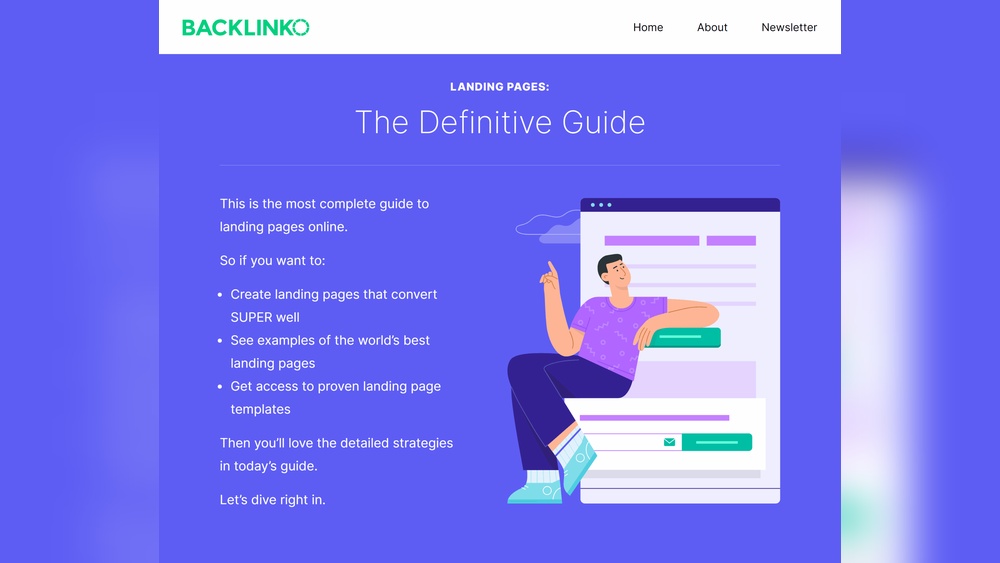
Website copy must guide visitors clearly. Use headlines and subheadings to break text. Keep paragraphs short and focused. Highlight benefits and features with simple words. Use bullet points for easy reading. Include clear calls to action. Make sure the tone matches your brand and audience.

Credit: sandralmuller.com
Measuring And Improving Performance
Measuring and improving your copywriting performance helps you create better content. It shows what works and what does not. This process makes your writing clearer and more effective. Tracking results allows you to adjust your words for better impact.
Small changes can lead to higher engagement and more conversions. You can learn from data and real user feedback. This helps you write copy that truly connects with your audience.
Key Metrics To Track
Track how many people read your copy. Measure clicks on links or buttons. Look at the time spent on the page. Check bounce rates to see if visitors leave quickly. Monitor conversion rates to see if readers take action. These numbers show how well your copy performs.
A/b Testing Strategies
Test two versions of your copy to compare results. Change one element at a time, like the headline or call to action. Send each version to a similar audience group. See which version gets better engagement or conversions. Use the winning copy to improve your content.
Using Feedback To Enhance Copy
Ask readers for their opinions on your copy. Use surveys or comment sections to collect feedback. Notice common questions or concerns from your audience. Adjust your writing to address those points clearly. Feedback helps you make your copy more helpful and easy to understand.

Credit: www.copystyleguide.com
Frequently Asked Questions
What Is Copywriting And Why Is It Important?
Copywriting is writing text that sells or promotes products and services. It drives customer actions and boosts business growth. Good copy engages readers, builds trust, and increases conversion rates, making it vital for marketing success.
How Do I Write Effective Copy That Converts?
Effective copy focuses on the audience’s needs, uses clear language, and highlights benefits. Include strong calls to action and emotional triggers. Keep it concise and persuasive to encourage readers to take desired actions.
What Are Common Copywriting Mistakes To Avoid?
Common mistakes include being too vague, using jargon, and ignoring the target audience. Avoid lengthy sentences, weak calls to action, and lack of proofreading. Clear, audience-focused, and error-free copy performs best.
How Can Seo Improve My Copywriting?
SEO enhances copywriting by integrating relevant keywords naturally. It helps your content rank higher in search engines. Optimized copy attracts more traffic and improves visibility without sacrificing readability or user experience.
Conclusion
Good copywriting grabs attention and keeps readers interested. Clear words and short sentences help your message stand out. Focus on what your audience needs and wants. Test different ideas to see what works best. Writing often makes you better. Use these tips to write with confidence and purpose.
Your words can inspire action and build trust. Keep practicing to improve every day.