


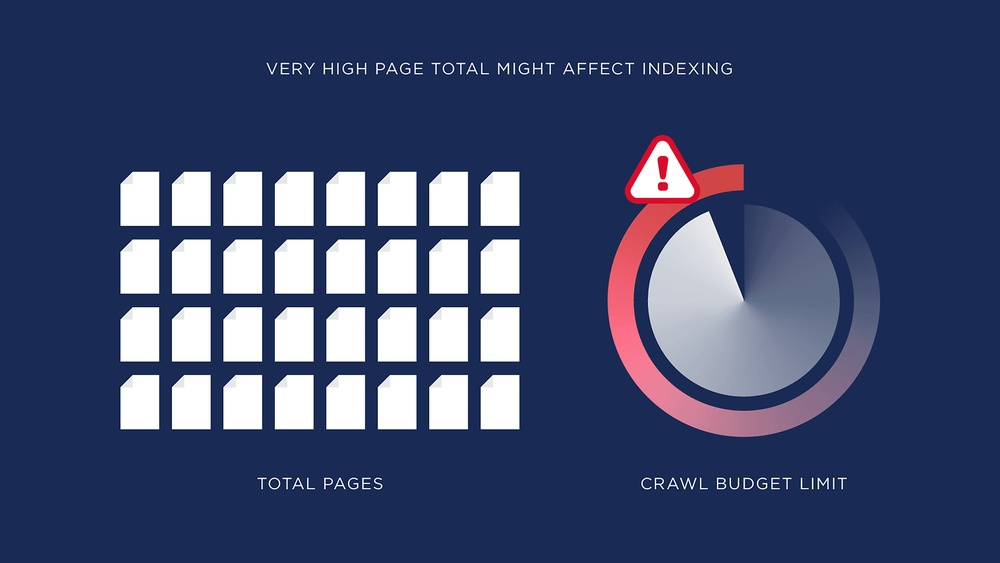
If you want your website to rank higher on search engines, understanding your crawl budget is key. Your crawl budget controls how often search engines visit and index your pages.
If you don’t manage it well, important pages might get missed, and your site’s visibility can suffer. You’ll discover simple ways to optimize your crawl budget and make sure search engines focus on what really matters. Keep reading to unlock the secrets that can boost your website’s performance without extra effort.
Credit: backlinko.com
What Crawl Budget Means
Crawl budget is the number of pages a search engine visits on a website in a set time. It helps search engines find and index important content quickly. Managing crawl budget well improves a site’s visibility in search results.
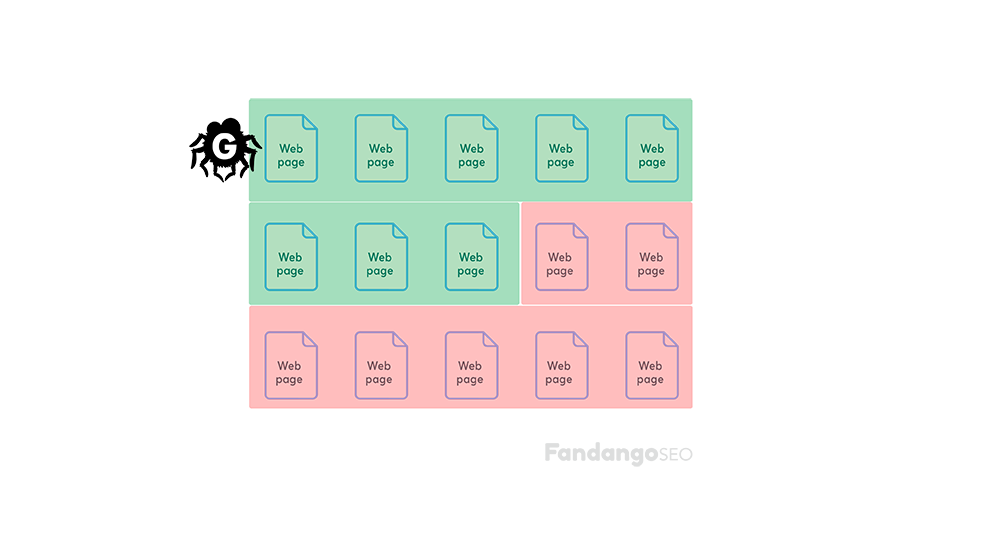
Crawl budget is the number of pages a search engine visits on your site. It controls how often and how many pages get checked. Search engines use this to find new and updated content.
This budget is important for large websites with many pages. Not all pages get crawled every time. The crawl budget helps search engines focus on your most important pages.
How Crawl Budget Works
Search engines send bots to crawl websites. These bots use the crawl budget to decide which pages to visit. They try to crawl pages that matter most to users.
Too many pages can slow down crawling. The search engine balances speed and site size to crawl efficiently.
Why Crawl Budget Matters
If the crawl budget is used well, your key pages get found fast. This helps pages show up in search results sooner.
Wasting crawl budget on low-value pages can delay important content from being indexed. It can affect your site’s visibility in search engines.
Factors That Affect Crawl Budget
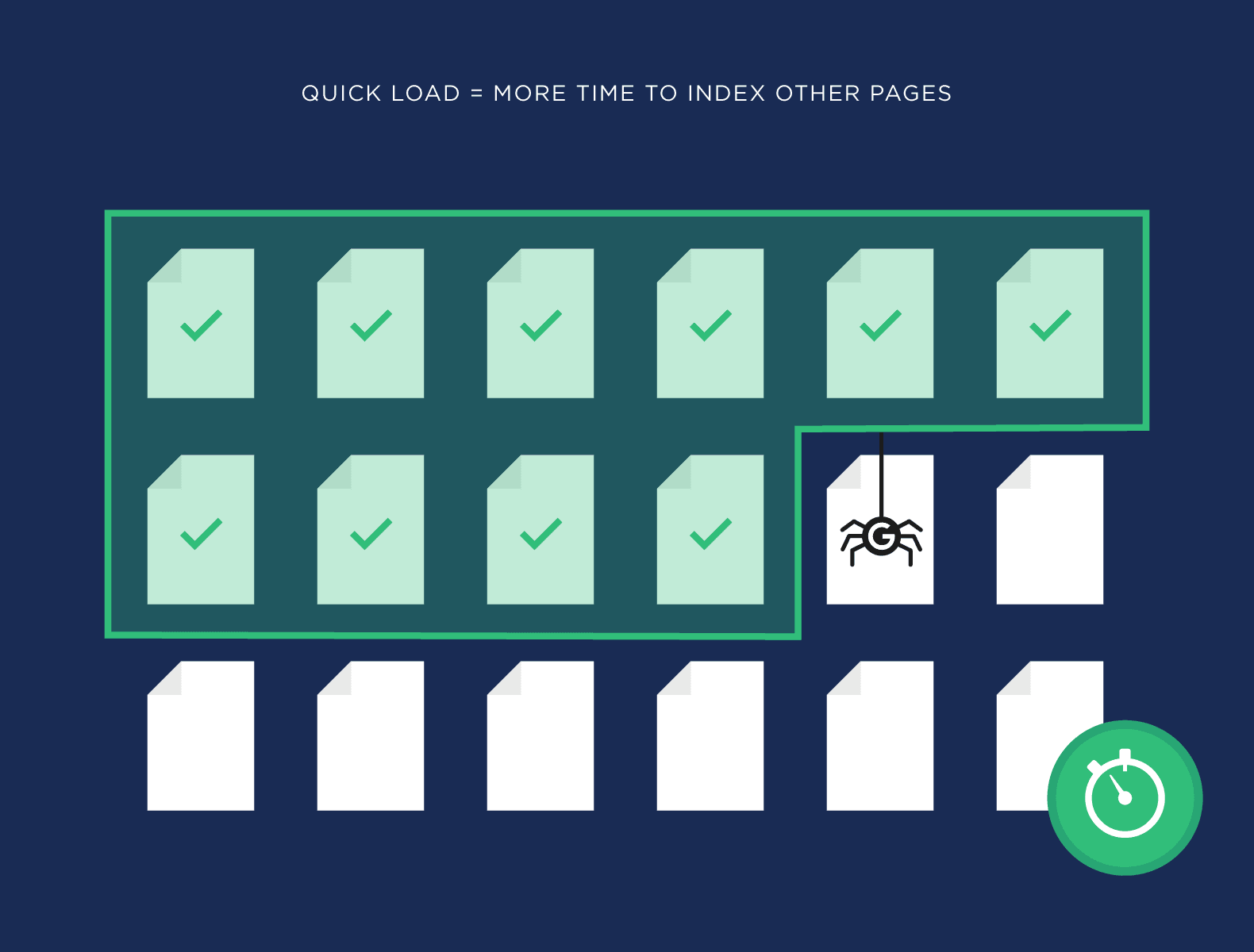
Site speed plays a big role. Faster sites get crawled more often. Slow sites use up crawl budget quickly.
Site structure also matters. Clear links help bots find pages easily. Broken links or loops waste the crawl budget.
Factors Affecting Crawl Budget
Crawl budget is the number of pages a search engine crawls on your site within a set time. Several factors control how much of your site gets crawled. Understanding these helps improve your site’s visibility and indexing. The following sections explain key elements that affect crawl budget.
Site Speed And Performance
Fast-loading pages allow search engines to crawl more pages quickly. Slow sites waste crawl budget on fewer pages. Optimizing images, reducing scripts, and using caching improve speed. A responsive site keeps crawlers moving efficiently through your pages.
Url Structure And Quality
Clean, simple URLs help search engines understand and crawl your site. Avoid duplicate URLs or unnecessary parameters. Each unique URL uses part of your crawl budget. Remove or fix broken links and redirects to save crawl resources.
Server Health And Response
Reliable server uptime and quick responses affect crawl budget. Slow or down servers reduce crawl rates. Monitor server errors and fix issues promptly. A healthy server invites search engines to crawl more pages.
Internal Linking
Good internal linking guides crawlers through your site. Links create paths to important pages. Use clear anchor text and link to relevant content. Strong internal links help search engines discover more pages efficiently.
Tools To Monitor Crawl Activity
Monitoring crawl activity is essential for managing your website’s crawl budget effectively. It helps identify how search engines interact with your site. This insight allows you to fix issues that waste crawl resources. Several tools provide detailed data on crawl behavior. These tools show which pages get crawled and how often.
Google Search Console Insights
Google Search Console offers valuable crawl data. It shows crawl errors and indexing status. You can see which pages Google visits most. The tool highlights any crawling problems. It also reports on mobile usability and site speed. This information helps improve site health and crawl efficiency. Using Search Console is free and easy.
Log File Analysis
Log files record every visit from search engines’ bots. Analyzing these files reveals detailed crawl patterns. You can find which URLs bots access and how often. It also shows crawl frequency and response codes. This data helps spot wasted crawl budget on broken pages. Log file analysis requires some technical skills. Specialized software makes this process simpler.
Third-party Seo Tools
Many SEO tools track crawl activity and site health. Tools like Screaming Frog and Ahrefs provide crawl reports. They show crawl depth, page status, and errors. These tools help find pages that slow down crawling. Some offer visual reports and alerts. They often include extra SEO features. Third-party tools can save time and improve crawl monitoring.
Credit: www.fandangoseo.com
Techniques To Optimize Crawl Budget
Optimizing your crawl budget helps search engines find and index your important pages faster. It saves resources by avoiding unnecessary crawling. This improves your site’s visibility and ranking. Applying smart techniques makes your site easier for search bots to navigate.
Eliminating Duplicate Content
Duplicate content wastes crawl budget. Search engines get confused by multiple versions of the same page. Use canonical tags to point to the preferred page. Remove or merge similar pages to keep your site clean. This helps search bots focus on unique content.
Using Robots.txt Effectively
Robots.txt controls which pages search engines can crawl. Block low-value pages like admin or login pages. Avoid blocking important resources like CSS or JavaScript files. Clear rules guide bots to crawl only useful content. This saves crawl budget and improves indexing.
Optimizing Xml Sitemaps
XML sitemaps list all important pages on your site. Keep your sitemap updated with fresh content. Remove broken or outdated URLs from the sitemap. Submit the sitemap to search engines regularly. This helps bots discover your valuable pages faster.
Managing Redirects
Redirects slow down crawling and waste budget. Use direct redirects instead of chains. Fix broken links to reduce dead ends. Avoid redirect loops that trap search bots. Clean redirect paths speed up the crawling process.
Controlling Parameter Handling
URL parameters create many similar URLs with little value. Tell search engines how to handle these parameters in Google Search Console. Use URL rewriting to create cleaner URLs. Limit crawling of parameter-based URLs to save budget. This keeps indexing focused on main content.
Impact Of Crawl Budget On Seo
The crawl budget plays a key role in SEO. It controls how often search engines scan a website. Managing this budget well helps search engines find and index your pages faster. This improves your site’s presence on search results. It also affects how users find and interact with your content.
Faster Indexing Of Important Pages
Search engines have limited time to crawl each site. Prioritizing important pages ensures they get indexed quickly. Fast indexing means new content appears sooner in search results. It also helps updates reflect faster. This keeps your site fresh and relevant.
Improved Site Visibility
Efficient crawl budget use boosts site visibility. Search engines discover more quality pages during each crawl. This increases the chance of ranking for more keywords. Well-crawled sites appear more often in search results. This drives more organic traffic to your site.
Enhanced User Experience
A well-managed crawl budget supports a smooth user experience. Pages load faster as they are indexed and updated regularly. Users find accurate and current information easily. This reduces bounce rates and increases engagement. Good user experience also signals search engines to rank your site higher.

Credit: searchengineland.com
Common Crawl Budget Mistakes
Understanding common crawl budget mistakes helps improve site indexing. Search engines have a limited crawl budget for each site. Using this budget wisely ensures better page visibility. Many websites lose this chance by making simple errors. Fixing these mistakes can boost your SEO results.
Ignoring Low-quality Pages
Low-quality pages waste crawl budget. Search engines spend time on unimportant or thin content. This reduces crawling on your important pages. Identify and remove or improve these pages. Use tools to find pages with low value to users. Focus on quality content that users need.
Overusing Noindex Tags
Too many noindex tags confuse search engines. These tags stop pages from being indexed. Overuse may block important pages accidentally. Use noindex tags carefully and only on pages with no SEO value. Review your website regularly to avoid blocking useful pages.
Neglecting Mobile Optimization
Mobile-friendly sites get crawled more often. Ignoring mobile optimization lowers crawl efficiency. Search engines prioritize mobile versions of websites. Ensure your site works well on phones and tablets. Fast loading and easy navigation help improve crawl budget use.
Frequently Asked Questions
What Is Crawl Budget In Seo?
Crawl budget is the number of pages a search engine crawls on your site. It affects how quickly new content gets indexed. Managing it ensures important pages are discovered and ranked faster.
How Does Crawl Budget Impact Website Ranking?
A well-managed crawl budget helps search engines find your key pages efficiently. This improves indexing speed and can positively influence your site’s ranking and visibility in search results.
How Can I Optimize My Crawl Budget?
Optimize crawl budget by fixing broken links, removing duplicate content, and using robots. txt to block irrelevant pages. Also, improve site speed and update content regularly to encourage frequent crawling.
Does Site Structure Affect Crawl Budget?
Yes, a clear and logical site structure helps search engines crawl your site efficiently. Proper internal linking ensures important pages get discovered and maximizes the crawl budget’s effectiveness.
Conclusion
Managing your crawl budget helps search engines find your best pages. Keep your site clean and fast to use the budget well. Fix broken links and avoid duplicate content for better crawling. Regular updates tell crawlers your site is active.
Small changes can improve how often search engines visit. This helps your pages appear in search results more often. Stay consistent and watch your site grow in visibility.