


Are you sending emails but not getting the response you hoped for? Your email open rate might be the hidden key to unlocking better engagement.
When more people open your emails, your message has a real chance to connect, persuade, and drive action. You’ll discover simple yet powerful ways to boost your email open rate and make every message count. Keep reading, because improving this one metric can transform your entire email strategy.
Email Open Rate Basics
Email open rate shows how many people open your emails. It helps you know if your subject lines and send times work. High open rates mean your audience finds your emails interesting.
Understanding open rates helps improve email marketing. Track them to see what changes make a difference. Small improvements can lead to better results.
What Influences Open Rates
Subject lines are the first thing readers see. Clear and catchy lines get more opens. The sender name also matters. People open emails from names they trust.
Timing affects open rates too. Emails sent at the right time get noticed. Audience interest and email content also play a role.
Key Metrics To Track
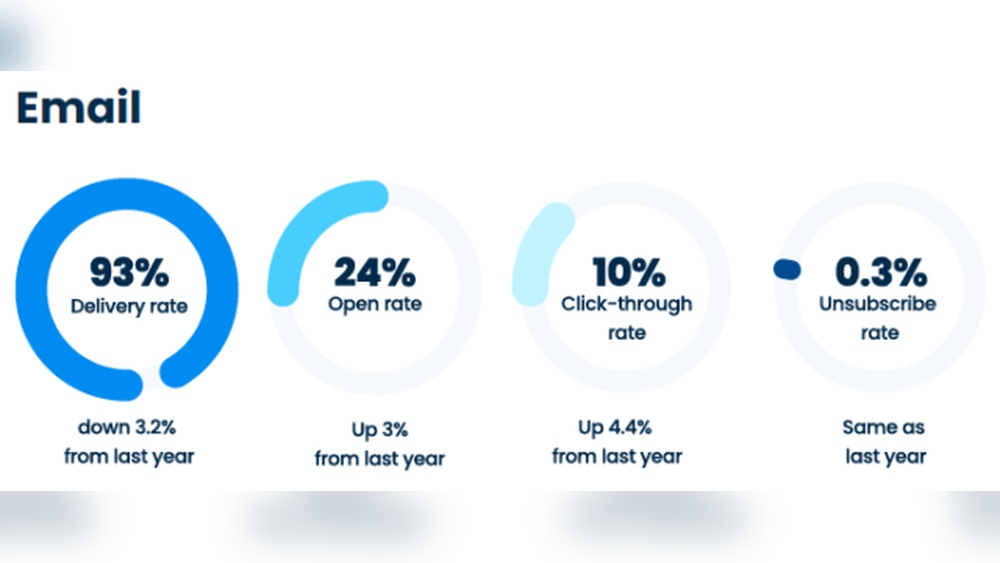
Open rate shows the percentage of opened emails. Click-through rate measures how many click links inside. Bounce rate counts emails that did not reach inboxes.
Unsubscribe rate reveals how many stop receiving emails. Tracking these metrics helps improve your email strategy. Watch trends and adjust based on data.
Credit: www.superoffice.com
Crafting Compelling Subject Lines
Subject lines decide if your email gets opened or ignored. They are your first chance to grab attention. A strong subject line makes readers curious and eager to learn more. Short, clear, and interesting subject lines work best. They should speak directly to the reader’s needs or feelings.
Using Personalization
Personalization makes emails feel special. Adding the reader’s name or location grabs attention. It shows the email is meant just for them. Simple tweaks like this can increase open rates by a lot. Personal touches create trust and interest quickly. Avoid overdoing it; keep it natural and relevant.
Creating Urgency And Curiosity
Urgency pushes readers to act fast. Words like “today” or “now” create a sense of time running out. Curiosity makes readers want to know more. Questions or incomplete statements spark interest. Balance urgency with honesty to keep trust. Both tactics make readers open emails instead of deleting them.
Optimizing Send Times
Optimizing send times plays a key role in improving email open rates. Sending emails at the right moment increases the chance your audience will see and open them. Timing affects how your message stands out in a crowded inbox. Small changes in send times can bring better results.
Understanding when your audience is most active helps you plan your email schedule. Testing different days and hours shows what works best. Consistent timing builds trust and expectation with your readers. Focus on timing to make every email count.
Best Days To Send Emails
Some days get higher open rates than others. Mid-week days like Tuesday, Wednesday, and Thursday often perform well. People tend to check emails more during the middle of the week. Mondays can be busy with catching up on tasks. Fridays may see lower engagement as people prepare for the weekend.
Weekends can work for some audiences but usually show lower open rates. Test your list to find the best days. Sending on peak days helps your email get noticed quickly.
Timing Based On Audience Behavior
Know your audience daily habits for better send times. Morning emails reach people starting their day. Mid-morning or early afternoon also sees high activity. Avoid late-night sends since most people do not check emails then.
Consider time zones if your audience is global. Segmenting by location helps you send at local peak times. Use analytics to track open times. Adjust send times based on real data. Tailored timing makes your emails more relevant.
Segmenting Your Email List
Segmenting your email list means dividing your subscribers into smaller groups. Each group shares similar traits or behaviors. This helps send more relevant emails. Relevant emails get opened more often. It improves your email open rate and engagement. Segmentation makes your messages feel personal and useful.
Benefits Of Segmentation
Segmentation lets you target specific interests. This increases the chance people will open your emails. It reduces the risk of being marked as spam. You can send different offers to different groups. This leads to better customer satisfaction. It also helps track what works best for each group. Less irrelevant content means more trust from subscribers.
Segmentation Strategies
Use basic information like age, location, or gender. Group people by their buying habits or past purchases. Segment by how often they open or click your emails. Create lists for new subscribers and loyal customers. You can also segment by interests shown in surveys. Try testing different segments to see what works best. Keep your lists updated to stay relevant.
Improving Email Content
Improving email content is key to better open rates. Good content keeps readers interested and encourages them to act. Clear, simple messages make emails easier to read. Engaging emails invite users to open and explore.
Focus on design and clear calls to action to boost engagement. These elements guide readers and make emails more effective.
Design Tips For Engagement
Use clean layouts with plenty of white space. This helps readers focus on the message. Choose easy-to-read fonts and use a font size that works well on all devices. Add images that support the text, but avoid too many visuals. Keep colors consistent and use contrast to highlight key points. Responsive design ensures emails look good on phones and computers. A well-designed email feels inviting and professional.
Clear Calls To Action
Calls to action (CTAs) must be simple and direct. Use action words like “Read,” “Buy,” or “Join.” Place CTAs where they are easy to see, usually near the top and bottom. Make buttons stand out with color and size. Limit the number of CTAs to avoid confusion. Clear CTAs guide readers on what to do next. This increases clicks and improves overall email success.
Leveraging A/b Testing
A/B testing helps improve your email open rates. It means sending two versions of an email to a small part of your list. Then, you compare which version works better. Use this data to send the best email to the rest of your audience.
This process reduces guesswork. It shows what your readers like. You can test many parts of your email. Subject lines, send times, and content are the most common.
Testing Subject Lines
The subject line is the first thing readers see. A strong subject line can increase open rates. Try different lengths, words, or styles. Use questions, numbers, or simple phrases. See which subject line gets more clicks. Test one change at a time. This helps find what really works.
Testing Send Times And Content
Send time affects when readers check their email. Test different days and hours. Some people open emails in the morning. Others prefer evenings or weekends. Find the best time for your audience.
Content also matters. Test different email designs or messages. Use images or plain text. Try long or short emails. See which content leads to more opens. Small changes can make a big difference.
Maintaining List Hygiene
Maintaining list hygiene keeps your email list clean and active. It improves your email open rate and sender reputation. A clean list reduces bounce rates and spam complaints. You send emails only to those who want to hear from you. This helps your messages reach the inbox, not the spam folder.
Two key steps help maintain list hygiene: removing inactive subscribers and using re-engagement campaigns. Both keep your list focused and responsive.
Removing Inactive Subscribers
Inactive subscribers lower your open rates. These are people who don’t open or click your emails for a long time. Removing them improves your metrics and saves costs. It also stops your emails from being marked as spam. Identify subscribers inactive for six months or more. Send them a final email before removal. This respects their choice and keeps your list fresh.
Using Re-engagement Campaigns
Re-engagement campaigns try to win back inactive subscribers. Send a special email asking if they still want updates. Offer a clear call to action, like confirming their interest. If they don’t respond, consider removing them. This approach keeps your list interested and engaged. It shows you value your subscribers and their preferences.

Credit: www.mailmunch.com
Using Automation For Better Results
Using automation helps increase email open rates by sending timely and relevant messages. Automation saves time and reaches the right audience at the right moment. It creates a more personal experience that keeps readers interested. Smart automation can improve engagement without extra effort.
Triggered Emails
Triggered emails send automatically after specific actions. For example, a welcome email goes out after sign-up. These emails feel personal and prompt readers to open them. They match the reader’s interests and needs. Triggered emails often have higher open rates than regular emails. They make the message more useful and timely.
Drip Campaigns
Drip campaigns send a series of emails over time. These emails build a story or provide helpful information step-by-step. Drip campaigns keep readers engaged by delivering content regularly. This steady flow encourages readers to open every email. It also helps build trust and interest slowly. Drip campaigns work well for education and sales.
Credit: www.superoffice.com
Frequently Asked Questions
What Is A Good Email Open Rate Percentage?
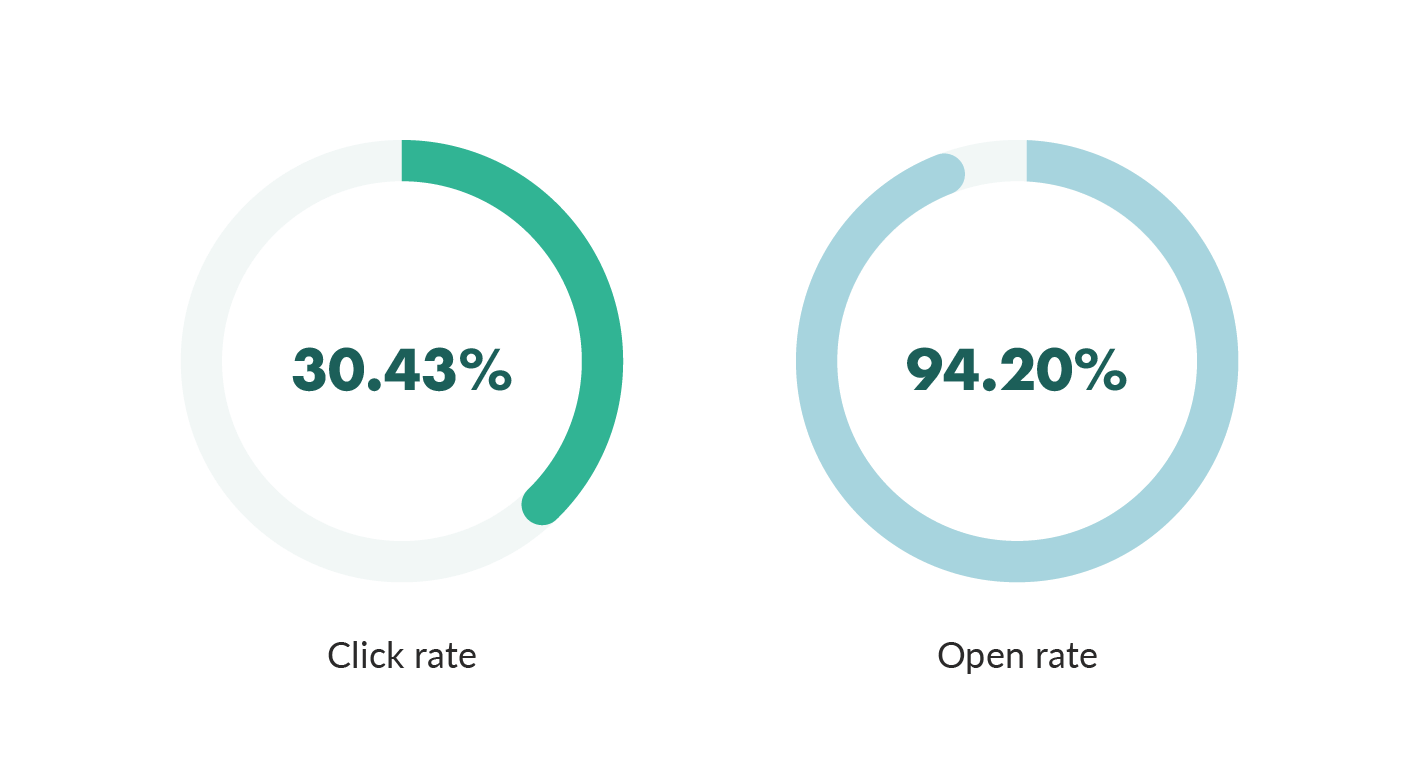
A good email open rate typically ranges between 15% and 25%. It varies by industry and audience. Higher rates indicate better engagement and effective subject lines. Consistently improving open rates helps increase overall email campaign success and ROI.
How Can I Improve My Email Open Rates?
To improve open rates, focus on crafting compelling subject lines. Personalize emails and send them at optimal times. Segment your audience for relevant content. Avoid spammy words and keep your sender name recognizable. Testing and analyzing results also boosts performance.
Why Do Email Open Rates Matter For Marketers?
Email open rates show how many recipients engage with your message. They help measure campaign effectiveness and audience interest. High open rates lead to better click-throughs and conversions. Marketers use this metric to optimize content and timing.
How Is Email Open Rate Calculated?
Email open rate is calculated by dividing the number of unique opens by the total emails delivered. Then, multiply by 100 to get a percentage. This metric excludes bounced or undelivered emails for accuracy.
Conclusion
Email open rate tells you how many people read your emails. It helps measure the success of your campaigns. Small changes can make a big difference in open rates. Clear subject lines and good timing work well. Always test different ideas to find what fits your audience.
Keep emails short and interesting to hold attention. Tracking results lets you improve over time. Focus on building trust with your readers. This way, your emails get opened more often. Simple steps lead to better email performance.