If you want your website to reach customers beyond your country, you need more than just regular SEO. International SEO is the key to unlocking new markets and growing your business worldwide.
But how do you make sure your site ranks well in different countries and languages? You’ll discover simple, effective strategies to boost your global online presence. Keep reading, and you’ll learn how to connect with the right audience no matter where they are.
Why International Seo Matters
International SEO helps websites reach users across many countries. It improves visibility in search results worldwide. This makes your site easier to find for people who speak different languages or live in different places.
Ignoring international SEO limits your website’s reach. It may only attract visitors from one region. Expanding your SEO efforts helps you connect with a bigger audience. This leads to more visitors and potential customers.
Improves Global Visibility
International SEO ensures search engines show your site in many countries. It uses language and location targeting to match user searches. This makes your website appear higher in global search results. More people see your site, increasing traffic.
Enhances User Experience
Visitors prefer content in their language and format. International SEO adapts your site to local languages and cultures. This helps users find relevant information quickly. A better experience keeps visitors on your site longer.
Increases Market Opportunities
International SEO opens doors to new markets. It helps businesses enter countries with high demand. Localizing SEO strategies meets the needs of different audiences. This can boost sales and brand recognition worldwide.
Reduces Competition
Targeting international markets can lower competition levels. Some countries have fewer businesses online. Optimizing SEO for these areas can give your site an advantage. It improves chances of ranking higher in search results.

Credit: backlinko.com
Choosing Target Markets
Choosing the right target markets is key to successful international SEO. Not all markets bring the same value or potential. Smart selection saves time and money. It also boosts your website’s global reach and impact.
Analyzing Audience Preferences
Understanding what your audience likes in each country is crucial. Different cultures use the internet differently. Search habits, language, and buying behavior vary widely. Study local trends and popular search terms. Know what problems your audience wants to solve. Tailor your content to meet these needs. This approach increases engagement and conversions.
Evaluating Market Competition
Competition levels differ across markets. Some countries have many strong local competitors. Others offer easier entry with fewer rivals. Research your competitors’ SEO strategies. Look at their keywords, backlinks, and content. Find gaps where you can stand out. Choose markets where you can gain visibility quickly. This improves your chances of ranking higher on search engines.
Optimizing Multilingual Content
Optimizing multilingual content is key to reaching a global audience. It involves more than just translating words. The goal is to make content clear and relevant for different languages and cultures. This helps search engines show the right version to the right users. Proper optimization improves user experience and boosts international SEO performance.
Effective Translation Vs. Localization
Translation means changing text from one language to another. It focuses on words and grammar. Localization goes deeper. It adapts content to fit local culture, habits, and preferences. This includes currency, date formats, and local expressions. Localization helps content feel natural and trustworthy to users. Effective SEO needs both accurate translation and smart localization.
Using Hreflang Tags Correctly
Hreflang tags tell search engines about language and regional versions of a page. They help avoid duplicate content issues and show the correct page to users. Each page must have hreflang tags pointing to all language versions. Use the right language and country codes. Place these tags in the HTML header or sitemap. Proper use of hreflang tags improves search ranking and user targeting.
Technical Seo For Global Sites
Technical SEO for global sites ensures that your website works well across different countries. It helps search engines understand which version of your site to show users. This improves your site’s visibility in local search results. Proper technical SEO also boosts user experience by making your site faster and easier to navigate worldwide.
Country-specific Url Structures
Use clear URL structures for each country or language version. Country code top-level domains (ccTLDs) like .fr or .de show search engines the target country. Subfolders such as example.com/fr/ or subdomains like fr.example.com can also work. Consistent URL formats help search engines index your pages correctly. They also make it easier for users to find the right site version.
Server Location And Site Speed
Server location affects how fast your site loads for users in different countries. Use servers close to your target audience for quicker loading times. Slow sites increase bounce rates and reduce rankings. Content Delivery Networks (CDNs) store copies of your site worldwide. CDNs deliver content from the nearest server, improving speed globally.
Link Building Across Borders
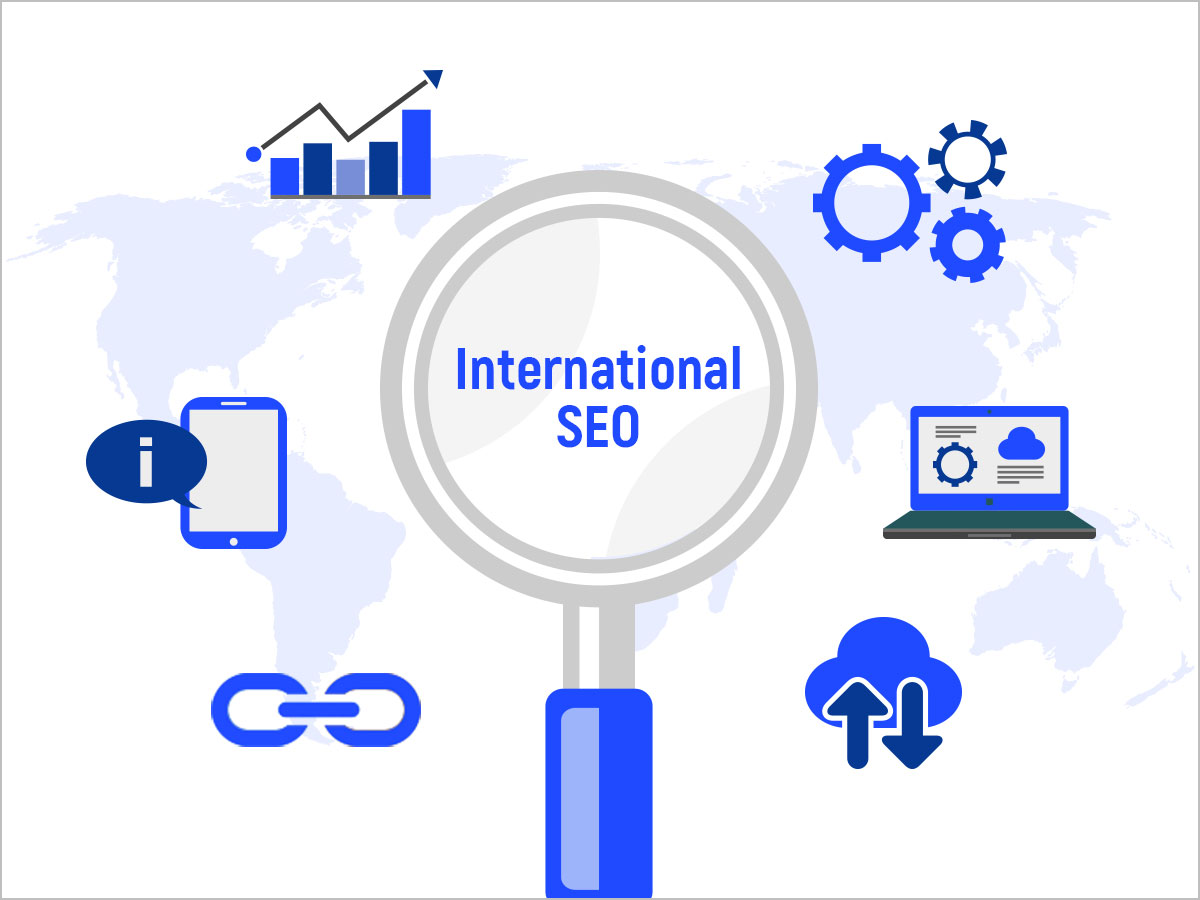
Link building across borders helps boost your website’s global reach. It improves your site’s authority in different countries. This strategy targets backlinks from various regions. These backlinks signal to search engines your site’s relevance worldwide.
International link building requires understanding local markets. Each country has unique online habits and trusted websites. Connecting with local sources builds credibility and drives targeted traffic. Links from local sites show search engines your site’s importance in that area.
Building Local Backlinks
Start by finding websites popular in your target country. Local blogs, news sites, and directories are good options. Reach out with helpful content or partnership ideas. Offer guest posts or useful resources that fit their audience. Local backlinks increase your relevance in that specific market.
Use local languages and keywords to connect better. Links from sites in the native language carry more weight. These backlinks help search engines rank your site higher in local searches. Quality matters more than quantity for local link building.
Leveraging International Partnerships
Work with businesses or influencers from other countries. Such partnerships create natural backlink opportunities. Collaborate on content, events, or promotions that benefit both sides. Links from trusted international sources add value to your SEO.
International partnerships expand your brand’s visibility. They help build a global network of backlinks. Choose partners with strong online presence in your target regions. Genuine relationships lead to sustainable and effective link building across borders.
Credit: www.skynetindia.info
Tracking And Measuring Global Seo
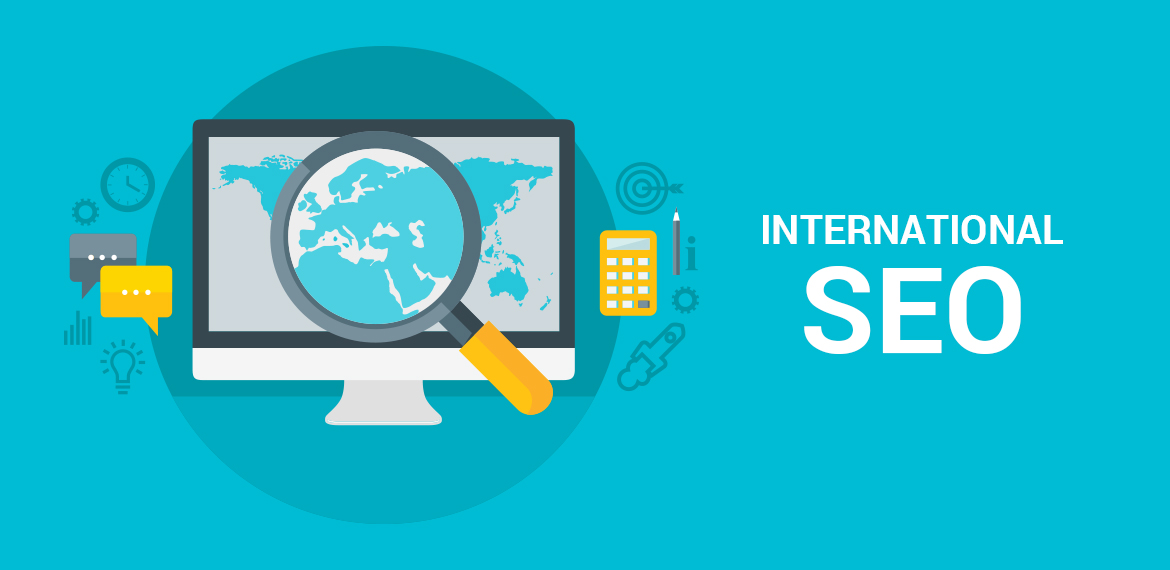
Tracking and measuring global SEO is vital for success in different markets. It helps to see how your website performs across countries. This process shows which strategies work and which need change. Without clear data, making smart decisions is hard. Understanding user behavior in each region improves your SEO results.
Using Analytics Tools For Different Regions
Analytics tools provide important data about visitors from various countries. They show traffic sources, popular pages, and user actions. Google Analytics and other platforms can segment data by region. This helps identify trends and preferences unique to each market. Tracking keywords by location reveals which terms attract local visitors.
Adjusting Strategies Based On Data
Data guides decisions to improve SEO in each region. If a keyword performs poorly in one country, try new phrases. Adjust content to fit cultural differences and local language. Change website structure or links to boost user experience. Monitoring results after changes ensures steady growth and better rankings.
Credit: www.linkbuildinghq.com
Frequently Asked Questions
What Is International Seo And Why Is It Important?
International SEO optimizes websites for global audiences. It ensures content reaches users in different countries and languages. This improves search visibility, user experience, and drives targeted organic traffic worldwide. It’s crucial for businesses expanding internationally.
How Do Hreflang Tags Improve International Seo?
Hreflang tags signal search engines about language and regional targeting. They prevent duplicate content issues by showing the right page to the right audience. Proper hreflang implementation boosts rankings in local search results and enhances user relevance.
What Are Key Challenges In International Seo?
Key challenges include language translation accuracy, cultural differences, technical site setup, and local keyword research. Managing multiple domains or subfolders requires careful strategy. Overcoming these ensures effective global search presence and user engagement.
How Can I Choose The Best Domain Structure For Global Seo?
Choose between ccTLDs, subdomains, or subdirectories based on budget and control needs. CcTLDs signal country targeting strongly but cost more. Subdirectories are easier to manage but less geo-specific. The right structure supports clear localization and SEO performance.
Conclusion
International SEO helps your website reach people worldwide. It improves your site’s visibility in different countries. Using local languages and customs boosts user trust. Proper hreflang tags guide search engines to the right pages. Keep your content clear and easy to read for all users.
Testing and adjusting strategies leads to better results. Stay patient, as global SEO takes time to show effects. Focus on users’ needs in each market for success.