


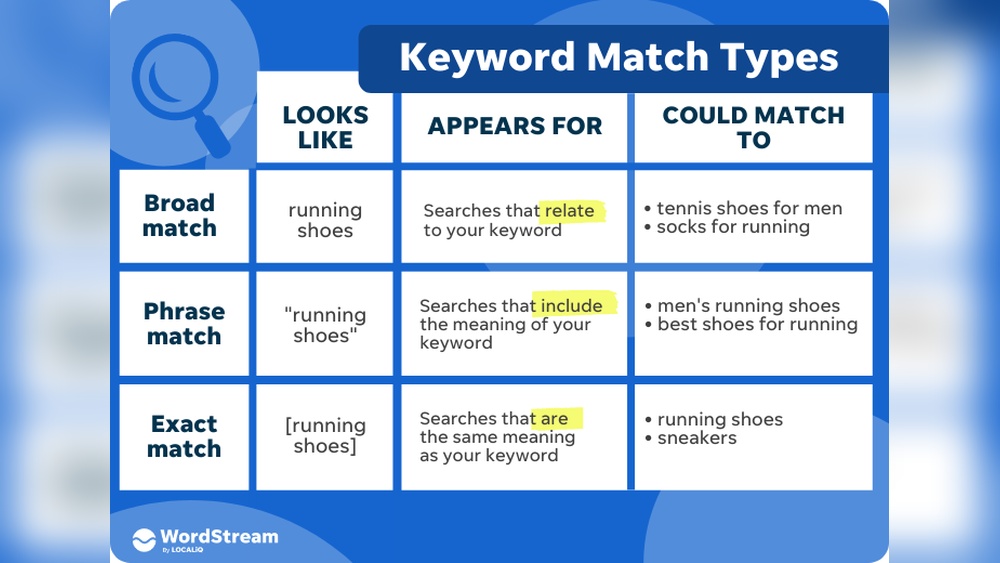
Are you looking to get the most out of your online ads? Understanding keyword match types can change the way your ads perform.
When you choose the right match type, you control who sees your ads and when. This means more clicks from people who really want what you offer—and less wasted spend on those who don’t. Keep reading to discover how you can use keyword match types to boost your ad success and reach the right audience every time.
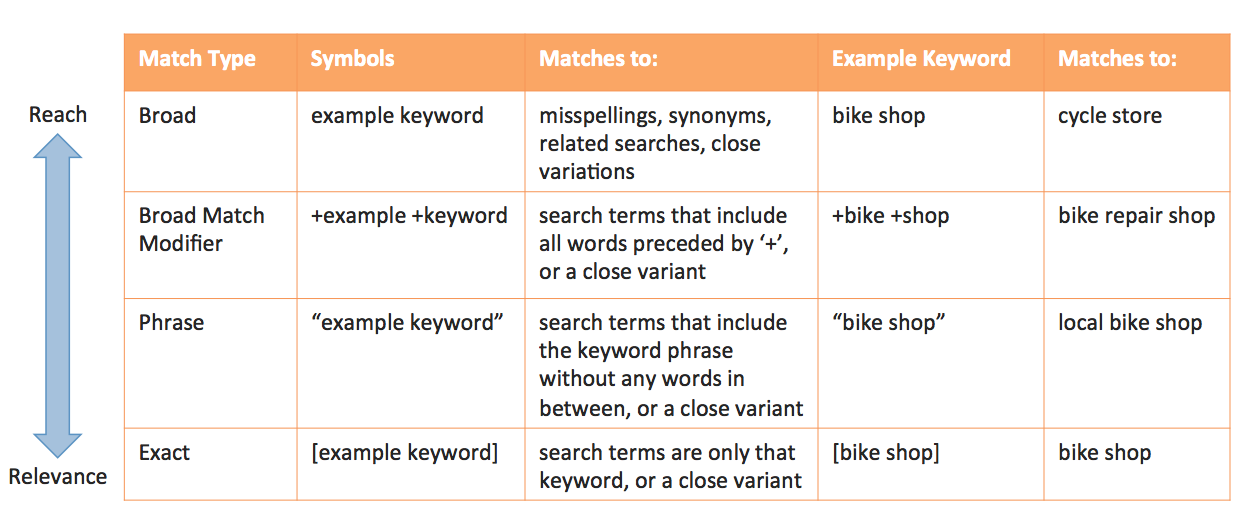
Credit: www.cardinalpath.com
Keyword Match Types Basics
Keyword match types help control which searches trigger your ads. They decide how closely a search query must match your keywords. Understanding these basics lets you target the right audience. It also helps you manage your ad budget better.
Each match type has a different way to match keywords and search terms. Choosing the right type can improve your ad performance. It affects who sees your ads and how often.
Exact Match
Exact match shows your ads only for searches that exactly match your keyword. The search term must be very close to your keyword. It may include slight variations or misspellings. This match type gives you the most control. It helps reach users with a clear intent.
Phrase Match
Phrase match triggers ads for searches that contain your keyword phrase. The phrase must appear in the same order. Words can come before or after the phrase. This type offers flexibility and control. It captures more relevant searches than exact match.
Broad Match
Broad match shows ads for searches related to your keywords. It includes synonyms and related ideas. This match type reaches the widest audience. It works well for brand awareness and discovery. But it may show ads on less relevant searches.
Broad Match Modifier
Broad match modifier lets you add more control to broad match. Use a plus sign (+) before important words. Ads only show if those words appear in the search. It combines reach with better targeting. This match type helps find more qualified clicks.
Choosing The Right Match Type
Choosing the right keyword match type affects your ad’s performance. It helps control who sees your ads and how often. Picking the right match type saves money and improves results. Understanding your goals and audience is key to making the best choice.
Campaign Goals Alignment
Know what you want to achieve with your campaign. Use broad match to reach more people and increase brand awareness. Choose exact match to target users ready to buy. Phrase match works well for capturing specific search phrases. Align match types with your goals to get better results.
Budget Considerations
Consider how much you can spend on ads. Broad match may use budget faster because it shows ads to many users. Exact match limits spend by targeting only specific searches. Phrase match balances reach and cost. Choose a match type that fits your budget and spending plan.
Audience Targeting
Think about who should see your ads. Broad match shows ads to a wide audience, including related searches. Exact match targets a small, very specific group. Phrase match reaches users with similar search intent. Match type helps you find the right people for your product or service.
Impact On Ad Performance
Keyword match types shape how ads appear and reach audiences. They control which searches trigger your ads. This control affects how well your ads perform in many ways. Small changes in match types can change results quickly.
Choosing the right match type helps connect ads to the right people. This connection impacts clicks, sales, and costs. Understanding these effects helps improve ad campaigns step by step.
Click-through Rates
Click-through rate (CTR) shows how often people click an ad. Broad match types show ads to many people. This can lower CTR because the ad may not fit all searches. Exact match narrows the audience but often raises CTR. Ads appear only for very close search terms. Phrase match sits between broad and exact, balancing reach and relevance.
Conversion Rates
Conversion rate measures how many clicks turn into actions, like sales. Exact match usually brings higher conversion rates. This is because ads match user intent closely. Broad match can lower conversion rates. It may attract clicks from less interested users. Phrase match helps keep conversion rates steady by targeting specific phrases.
Cost Per Click
Cost per click (CPC) depends on competition and match type. Broad match often has lower CPC but less qualified clicks. Exact match tends to have higher CPC but better ROI. Advertisers pay more for clicks that convert well. Phrase match CPC is usually between broad and exact match costs.
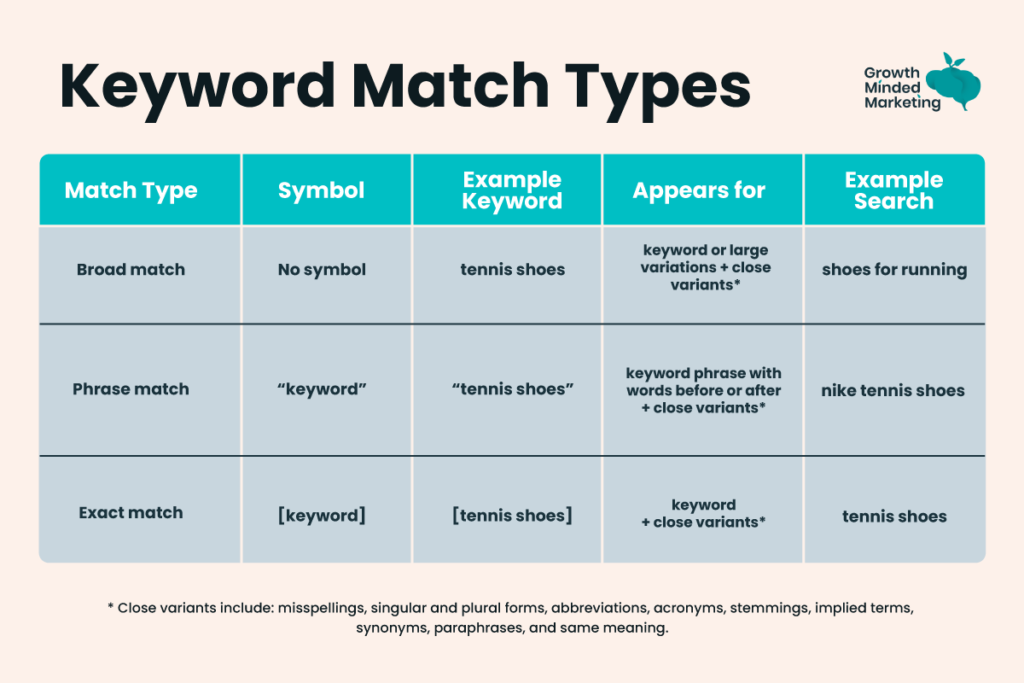
Credit: growthmindedmarketing.com
Optimizing Keyword Strategy
Optimizing your keyword strategy is vital for better ad performance. Using the right mix of keyword match types helps control who sees your ads. This increases clicks and reduces wasted spend. Careful planning and regular updates keep your campaigns effective.
Combining Match Types
Use broad match to reach many users. Phrase match narrows the audience to relevant searches. Exact match targets very specific queries. Combining these match types balances reach and precision. It helps capture different search behaviors in one campaign.
Negative Keywords Usage
Negative keywords stop irrelevant searches from triggering ads. They save budget by blocking unwanted clicks. Add negative keywords to filter out unrelated terms. This keeps your ads focused on the right audience. Regularly update your negative list to improve results.
Regular Performance Analysis
Check your keyword data often. Look at impressions, clicks, and conversions. Identify which match types bring the best results. Pause or adjust underperforming keywords. Use insights to refine your keyword mix and boost campaign success.
Common Mistakes To Avoid
Choosing the right keyword match types is key to campaign success. Many advertisers make common mistakes that waste budget and reduce performance. Avoiding these errors helps improve ad relevance and reach.
Overusing Broad Match
Broad match lets ads show for many search terms. Using it too much causes irrelevant clicks. Ads may appear for searches that do not match your offer. This leads to low conversion rates and high costs. Limit broad match and combine it with other types.
Ignoring Negative Keywords
Negative keywords stop ads from showing on unwanted searches. Ignoring them wastes budget on wrong clicks. Add negatives to block irrelevant or low-value traffic. Regularly update your negative keyword list to save money and improve targeting.
Neglecting Match Type Testing
Each match type works differently for every campaign. Not testing match types misses chances to optimize results. Experiment with broad, phrase, and exact match to find what works best. Use data to adjust bids and improve ad performance.
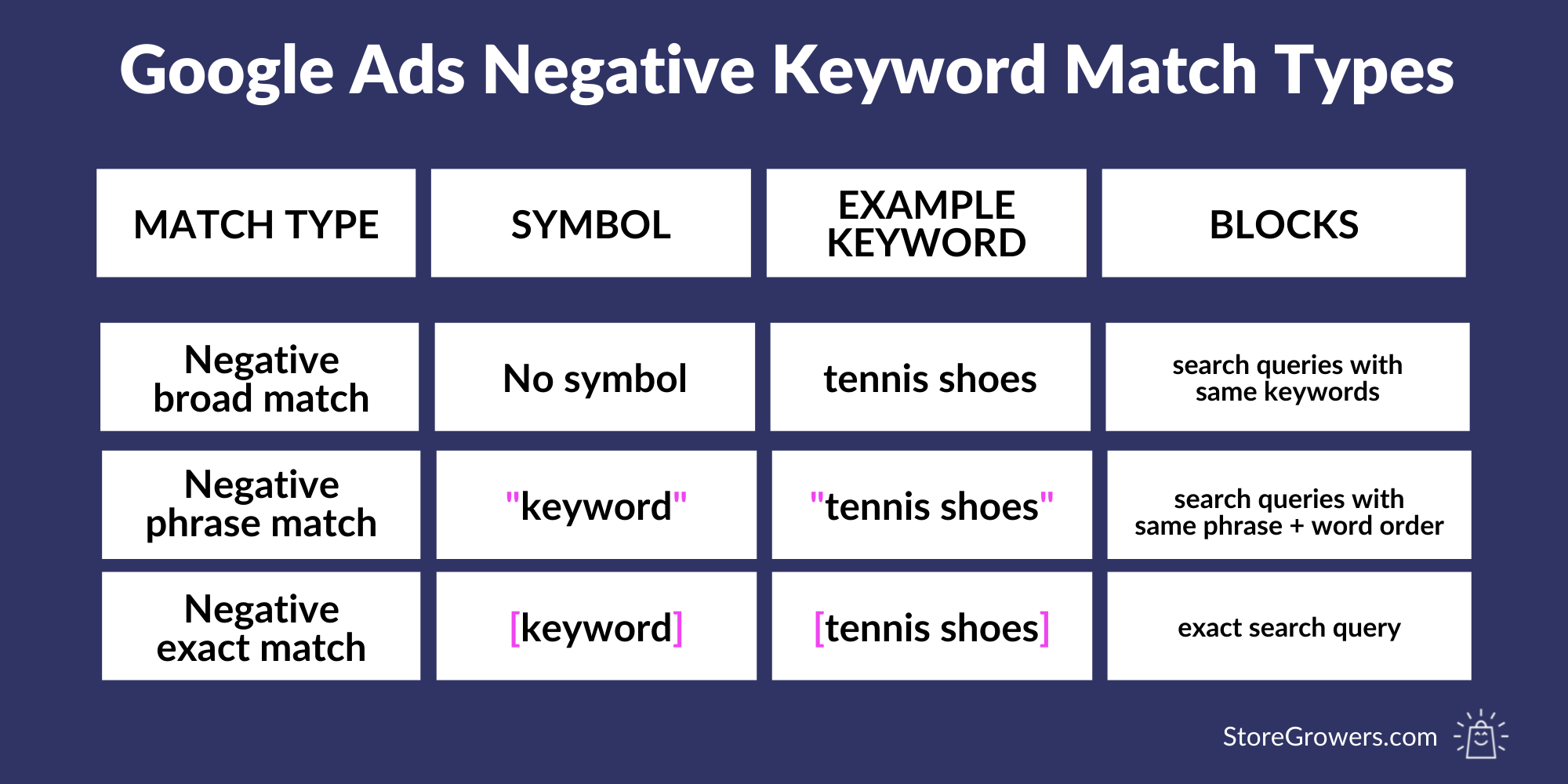
Credit: www.storegrowers.com
Advanced Tips For Ppc Success
Advanced tips for PPC success focus on using keyword match types smartly. This helps control who sees your ads. It also saves money and improves clicks. Understanding how to use match types can make your campaigns stronger and more effective.
Using Match Types In Different Campaigns
Use broad match for discovery and reaching new users. Phrase match works well for targeting specific searches. Exact match suits campaigns with clear goals and tight budgets. Mix match types in separate campaigns for better control. This approach helps test which keywords perform best.
Leveraging Data For Refinement
Track which match types bring clicks and conversions. Use this data to pause low-performing keywords. Increase bids on keywords that bring high returns. Adjust match types based on search term reports. This keeps your campaigns efficient and focused on results.
Adapting To Market Changes
Market trends change often. Regularly review your keyword match settings. Shift to broader match if search volumes drop. Tighten match types if you see irrelevant clicks. Stay flexible to keep your ads relevant and budget-friendly.
Frequently Asked Questions
What Are Keyword Match Types In Ppc Advertising?
Keyword match types control how closely a search query must match your keyword. They help target relevant traffic by defining match precision. Common types include broad, phrase, exact, and negative match. Choosing the right type improves ad relevance and campaign performance.
How Does Broad Match Differ From Exact Match?
Broad match shows ads for related and varied searches. Exact match triggers ads only for the exact keyword or close variants. Broad match captures more traffic but less precise, while exact match targets highly specific queries for better relevance.
Why Use Negative Keyword Match Types?
Negative match types prevent ads from showing on irrelevant searches. They improve campaign efficiency by excluding unwanted traffic. This saves budget and increases click-through rates by focusing only on relevant audience segments.
When Should You Use Phrase Match Keywords?
Phrase match triggers ads when a search contains the exact keyword phrase in order. It balances reach and relevance, allowing some variation while maintaining context. Use it to target more specific but flexible search intent.
Conclusion
Choosing the right keyword match types helps control ad reach and cost. Broad match brings more traffic but less precision. Phrase match targets specific phrases, balancing reach and relevance. Exact match shows ads only for precise searches, improving focus. Negative keywords prevent unwanted clicks and save budget.
Testing different match types improves campaign results over time. Use data to adjust and find what works best. Understanding these basics can boost your ad performance. Keep experimenting and learning for steady growth.