Are you struggling to find the right words that bring visitors to your website? Your success depends on choosing the best keywords that match what your audience is searching for.
Without a solid keyword research strategy, your content might go unnoticed, no matter how great it is. You’ll discover simple yet powerful ways to uncover keywords that drive traffic and boost your rankings. Keep reading, and you’ll learn how to connect with your audience like never before.

Credit: www.e2msolutions.com
Importance Of Keyword Research
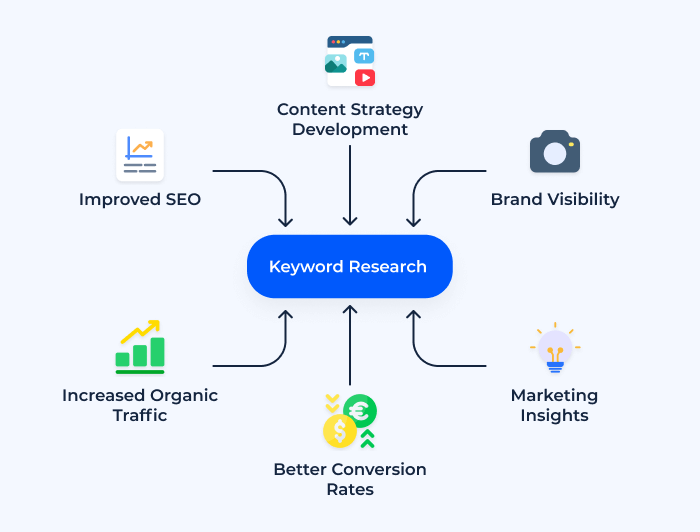
Keyword research is the foundation of successful SEO. It helps you understand what people search for online. This knowledge guides your content and marketing strategies. Without keyword research, your content might not reach the right audience.
Choosing the right keywords improves your website’s visibility. It attracts visitors who want exactly what you offer. This means more traffic and better chances to grow your business.
What Keyword Research Reveals About Your Audience
Keyword research shows what terms your audience uses. It reveals their questions, problems, and interests. This insight helps create content that matches their needs. Writing for your audience keeps them engaged and coming back.
How Keywords Impact Search Engine Rankings
Search engines use keywords to rank pages. Including relevant keywords helps search engines understand your content. This improves your chances of appearing higher in search results. Higher rankings lead to more clicks and visits.
Saving Time And Resources With Keyword Research
Keyword research prevents wasted effort. It focuses your work on terms that bring results. This saves time creating content that no one searches for. It also helps in planning effective marketing campaigns.
Types Of Keywords To Target
Choosing the right keywords is key to effective SEO. Different types of keywords serve different purposes. Knowing which ones to target helps you reach the right audience. It also improves your website’s ranking and traffic.
Understanding the main types of keywords guides your content strategy. These types include short-tail and long-tail keywords, plus transactional, informational, and navigational keywords. Each type has unique benefits.
Short-tail Vs Long-tail Keywords
Short-tail keywords are brief, usually one or two words. They get a high search volume but face strong competition. For example, “shoes” or “coffee.”
Long-tail keywords are longer phrases with three or more words. They have lower search volume but more specific intent. For example, “best running shoes for flat feet.”
Short-tail keywords attract broad traffic. Long-tail keywords attract users closer to buying or acting. Combining both types can balance traffic and conversion.
Transactional, Informational, And Navigational Keywords
Transactional keywords show that a user wants to buy or take action. Words like “buy,” “discount,” or “order” signal this intent. For example, “buy leather jacket online.”
Informational keywords are used by people seeking answers or learning. They often include words like “how,” “what,” or “tips.” For example, “how to clean leather jackets.”
Navigational keywords help users find a specific website or page. They include brand names or product names. For example, “Nike official website.”
Targeting these keyword types helps you match user intent. This improves your content’s relevance and search ranking.
Tools For Effective Keyword Research
Effective keyword research starts with the right tools. These tools help find the best words people use to search online. They show what topics interest your audience. They also reveal how hard it is to rank for certain keywords. Using the right tools saves time and improves your SEO strategy.
There are many tools available, both free and paid. Each has unique features to fit different needs. Some tools give basic data, while others offer detailed insights. Choosing the right tool depends on your budget and goals.
Free Keyword Research Tools
Free tools are great for beginners and small projects. Google Keyword Planner offers basic keyword ideas and search volume. Ubersuggest shows keyword suggestions and competition levels. Answer the Public provides questions people ask around a keyword. These tools give enough data to start your research without spending money.
Free tools often have limits on daily searches or data depth. Still, they help find popular and relevant keywords. Use them to explore new ideas and check your competitors. They provide a simple way to understand what people want to read or buy.
Paid Keyword Research Tools
Paid tools offer more data and advanced features. SEMrush provides detailed keyword analysis and competitor tracking. Ahrefs shows keyword difficulty and backlink profiles. Moz Pro helps with keyword suggestions and site audits. These tools give deeper insights for better strategy planning.
Paid tools often include extra options like trend tracking and content ideas. They support larger projects and professional marketers. These tools save time by combining many functions in one platform. They help find keywords with the best chance to rank well.
Analyzing Keyword Competition
Analyzing keyword competition helps you find the best keywords to target. It shows which keywords are too hard to rank for. Also, it points out easier keywords that still bring traffic. This process saves time and improves your SEO results.
Assessing Keyword Difficulty
Keyword difficulty measures how hard it is to rank on Google. Tools like Ahrefs and SEMrush give a score for each keyword. The score shows competition level from low to high. Choose keywords with low to medium difficulty for faster results. High difficulty keywords need more effort and strong content.
Evaluating Competitor Keywords
Look at keywords your competitors use in their content. Use tools to find which keywords bring them traffic. This helps find gaps you can use to your advantage. Study their top-ranking pages and see which keywords repeat. Target similar or related keywords with better content.
Finding High-traffic, Low-competition Keywords
Finding high-traffic, low-competition keywords is key to growing your website’s visitors. These keywords bring many visitors but have fewer websites trying to rank for them. This balance helps your site appear higher in search results more easily. It saves time and effort while driving more organic traffic.
Start with clear goals. Know your audience’s needs and questions. Focus on terms they use often but that big sites do not target heavily. This strategy makes your content stand out and reach the right people faster.
Using Keyword Research Tools Effectively
Keyword tools show search volume and competition levels. Use them to find phrases with good traffic but low difficulty scores. Explore long-tail keywords. These are longer, specific phrases with less competition. They attract visitors ready to take action.
Analyzing Competitor Keywords
Check what keywords your competitors rank for. Find gaps where they do not perform well. Target these keywords in your content. It gives you a chance to rank higher in those areas. Spy on competitors but create unique, valuable content.
Evaluating Keyword Difficulty And Search Intent
Keyword difficulty tells how hard it is to rank for a term. Choose keywords with low difficulty scores for faster results. Understand search intent. Make sure your content matches what users want. This improves engagement and ranking potential.
Using Keywords To Optimize Content
Using keywords to optimize content helps search engines understand your page. It improves your chances of ranking higher in search results. The right keyword use also makes your content clear to readers. This section shows where and how to place keywords effectively.
Placing Keywords In Titles And Headers
Titles and headers are the first places search engines check for keywords. Use your main keyword near the beginning of your title. Headers break your content into parts. Add keywords in headers to highlight important topics. Clear headers with keywords help both readers and search engines.
Incorporating Keywords Naturally In Body Text
Keywords should fit smoothly into your sentences. Avoid stuffing keywords. Write like you talk. Use synonyms and related terms to keep text varied. Natural use helps readers stay engaged. It also signals relevance to search engines without penalty.
Optimizing Meta Descriptions And Urls
Meta descriptions appear below titles in search results. Include keywords here to attract clicks. Make descriptions short and clear. URLs also matter for SEO. Use keywords in URLs to show page content. Keep URLs simple and easy to read.
Leveraging Trends And Seasonal Keywords
Leveraging trends and seasonal keywords helps catch audience interest at the right time. Trends change fast, and seasonal keywords follow yearly patterns. Using these keywords boosts your site’s traffic and engagement.
Seasonal keywords bring visitors during holidays or special events. Trending keywords connect you to current popular topics. Both types increase your content’s relevance and visibility.
Identifying Trending Keywords
Use tools like Google Trends to find hot topics. Check social media platforms for popular hashtags and discussions. Trending keywords often have a short life but high search volume.
Focus on keywords with clear spikes in interest. Add those keywords quickly to your content. This helps capture traffic before the trend fades.
Using Seasonal Keywords Effectively
Plan content around holidays and annual events. Examples include Christmas, Black Friday, and summer vacations. Seasonal keywords bring steady traffic during specific times.
Update your content each season to stay relevant. Use keywords that reflect local or global celebrations. This keeps your site fresh and helpful to visitors.
Balancing Evergreen And Trendy Keywords
Combine steady, evergreen keywords with seasonal and trending ones. Evergreen keywords provide constant traffic year-round. Trending and seasonal keywords add bursts of visitors.
This balance helps maintain consistent traffic and seize new opportunities. Monitor your keyword performance to adjust your strategy. This keeps your content effective and timely.
Credit: sitechecker.pro
Tracking And Adjusting Keyword Strategies
Tracking and adjusting keyword strategies is vital for SEO success. It helps keep your content relevant and competitive. Without tracking, your efforts may not show results.
Regular monitoring allows you to see how keywords perform. Adjustments based on data improve your rankings and traffic. This process is continuous and needs attention.
Monitoring Keyword Rankings
Check your keyword positions often. Use tools like Google Search Console or other rank trackers. Watch for rises or drops in rankings. Note changes after content updates or new campaigns. This helps understand what works and what doesn’t.
Focus on keywords that bring traffic and conversions. Low-performing keywords may need more work or replacement. Keep an eye on competitor keyword rankings too. This gives insight into market trends and opportunities.
Refining Strategies Based On Performance
Use data to make smart changes. Improve content for keywords that drop in rank. Add new keywords that show potential. Remove keywords that don’t bring results.
Adjust your SEO tactics regularly. Update meta tags, headers, and content for better relevance. Test different keywords in ads or posts. Track results and refine again.
SEO is a cycle of learning and improving. Staying flexible keeps your strategy strong and effective.

Credit: www.thehoth.com
Frequently Asked Questions
What Is Keyword Research In Seo?
Keyword research identifies popular search terms users enter in search engines. It helps optimize content to rank higher and attract targeted traffic.
How Do I Find The Best Keywords?
Use tools like Google Keyword Planner and Ahrefs. Analyze search volume, competition, and relevance to your niche for optimal keyword selection.
Why Are Long-tail Keywords Important?
Long-tail keywords have lower competition and higher conversion rates. They target specific queries, attracting more qualified and engaged visitors.
How Often Should I Update My Keywords?
Review keywords quarterly or after major market changes. Regular updates keep your SEO strategy aligned with evolving search trends.
Conclusion
Effective keyword research drives better website traffic and user engagement. Choose keywords that match your audience’s search intent. Use tools to find terms with good search volume and low competition. Keep updating your keyword list to stay relevant. Test different keywords to see what works best.
Focus on clear, simple words that your readers understand. Consistent effort in keyword research improves your content’s reach over time. Remember, success comes from smart choices and steady work.