


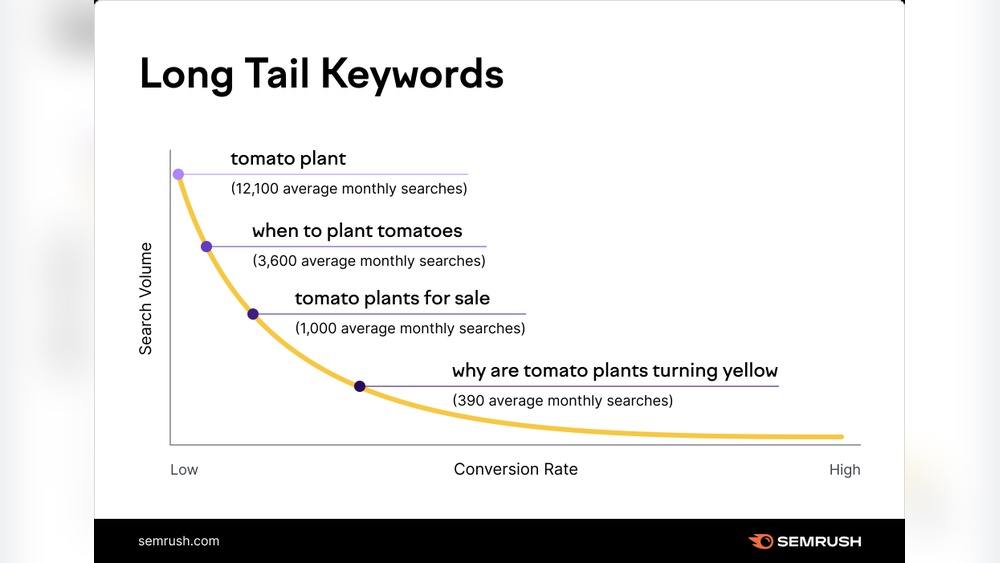
Are you struggling to get your website noticed? You might be missing out on the power of long tail keywords.
These simple phrases can bring you more targeted visitors who are ready to take action. Imagine reaching people who are exactly looking for what you offer, with less competition and better results. You’ll discover how long tail keywords can boost your traffic, improve your rankings, and grow your business.
Keep reading to unlock the secret that many successful websites use every day.
Credit: www.reliablesoft.net
Long Tail Keywords Basics
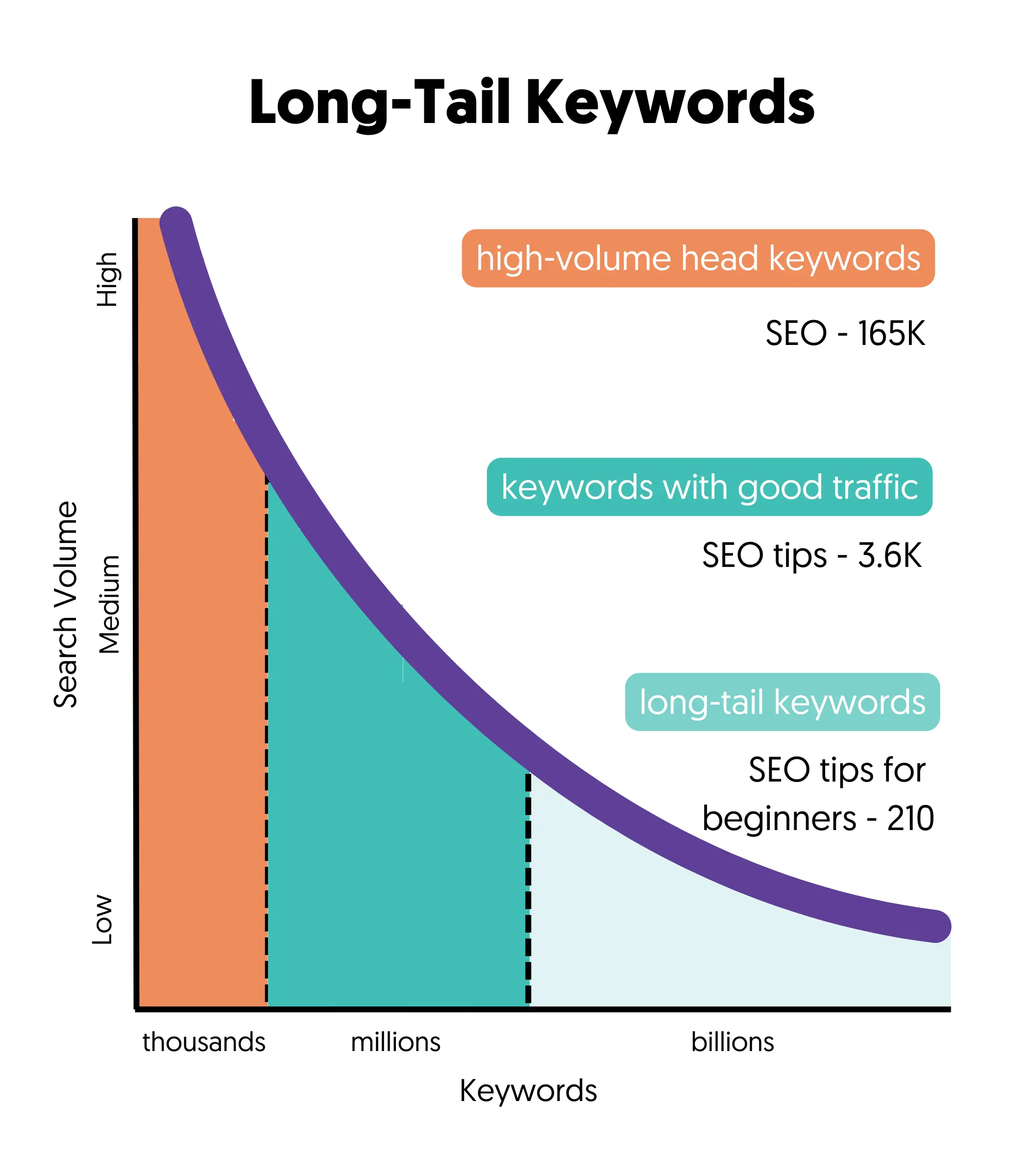
Long tail keywords are an important part of SEO. They help websites get more specific traffic. This section explains the basics of long tail keywords. You will learn what they are and why they matter.
What Are Long Tail Keywords
Long tail keywords are longer and more specific phrases. They usually contain three or more words. For example, “best running shoes for flat feet” is a long tail keyword. These keywords target a small group of people. They show clear intent or need. This makes them easier to rank for in search engines.
Why They Matter In Seo
Long tail keywords bring highly targeted visitors. These visitors are more likely to take action. They may buy, sign up, or contact you. Competition is lower for long tail keywords. This means less effort to reach the top of search results. They also help content stay relevant and focused. Using long tail keywords improves your chances of success online.
Credit: backlinko.com
Finding The Right Long Tail Keywords
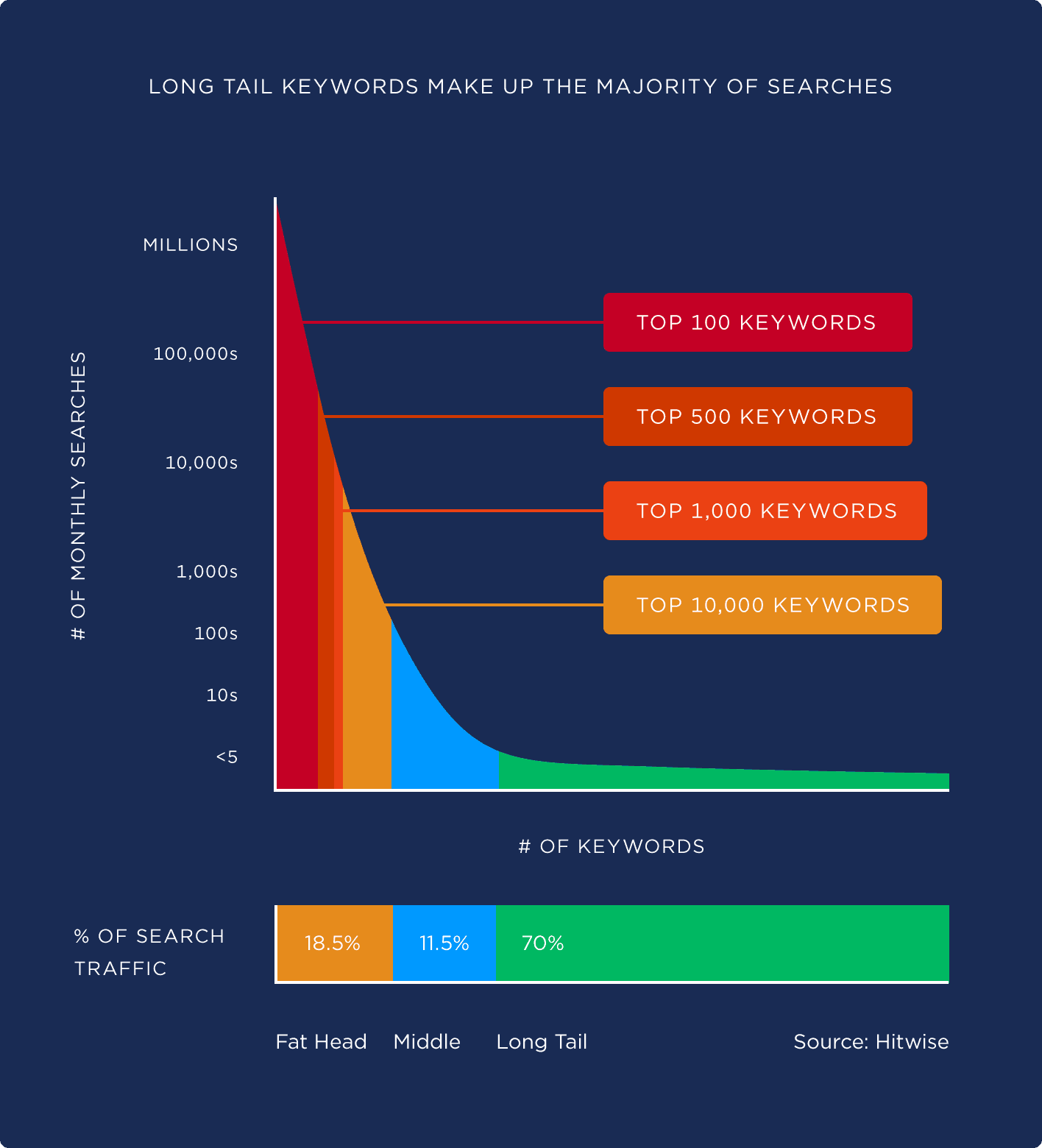
Finding the right long tail keywords helps your content reach the right audience. These keywords have lower competition and attract visitors who want specific information. Choosing good long tail keywords improves your site’s ranking and drives more targeted traffic. The process involves research, understanding user intent, and studying competitors. Each step helps you pick the best phrases for your content.
Tools For Keyword Research
Use keyword research tools to find long tail keyword ideas. Google Keyword Planner shows search volume and competition. Ubersuggest gives keyword suggestions and difficulty scores. AnswerThePublic reveals questions people ask around a topic. These tools help you discover phrases with low competition and good traffic potential. They save time and provide data to make smart keyword choices.
Analyzing Search Intent
Search intent means why people type certain words in search engines. Some want information, some want to buy, others want to compare. Understanding intent helps you match keywords with content that satisfies users. Check the top results for your keywords to see what content appears. This shows if the intent is to learn, shop, or find local services. Choose keywords that fit your content’s purpose and user needs.
Competitor Keyword Analysis
Look at the keywords your competitors use to find ideas. Tools like SEMrush and Ahrefs show competitor keywords and rankings. Find long tail keywords where competitors rank well but with moderate difficulty. Analyze their content to see how they use those keywords. Use this insight to create better, more focused content. This helps you target valuable keywords your competitors may miss.
Incorporating Keywords Into Content
Incorporating keywords into content helps search engines understand your page. It improves your chances of ranking higher in search results. Using long tail keywords makes your content more specific and relevant. This attracts visitors who want exactly what you offer.
Optimizing Blog Posts
Place long tail keywords naturally in your blog posts. Use them in headings and subheadings to guide readers. Include keywords in the first 100 words to catch attention. Write clear, simple sentences around your keywords. Avoid stuffing keywords; keep the flow smooth and natural.
Using Keywords In Product Pages
Product pages must use long tail keywords in titles and descriptions. Describe the product benefits with these keywords. Add keywords to image alt texts for better visibility. Use bullet points with keywords to improve readability. Focus on what customers search for when writing content.
Enhancing Meta Descriptions And Titles
Include long tail keywords in meta titles for better ranking. Write meta descriptions using keywords to summarize content clearly. Keep titles under 60 characters and descriptions under 160 characters. Use keywords at the beginning for stronger impact. Make descriptions inviting but straightforward.
Measuring Seo Success
Measuring SEO success is key to understanding how well your long tail keywords perform. It helps you see what works and what needs change. Tracking progress lets you focus on the best strategies. Data guides your decisions and improves your results.
Tracking Keyword Rankings
Check where your keywords rank in search engines. Use tools to track daily or weekly changes. Notice if long tail keywords move up or down. This shows if your SEO efforts pay off. Consistent tracking helps you spot trends early.
Analyzing Traffic And Engagement
Look at the visitors your keywords bring to your site. See which pages get more clicks and views. Study how long visitors stay and what they do next. High engagement means your content matches their search intent. Low engagement signals need for better content or keywords.
Adjusting Strategies Based On Data
Use your data to improve your SEO plans. Drop keywords that don’t perform well. Add new long tail keywords that show potential. Change your content to fit what visitors want. Test different ideas and keep what works best.
Advanced Long Tail Strategies
Advanced long tail strategies help you target specific audiences and improve your search rankings. These methods go beyond basic keyword use. They focus on user intent and content relevance. Using these strategies can boost organic traffic and increase engagement on your site.
Leveraging Voice Search
Voice search is growing fast on phones and smart devices. People speak differently than they type. They use longer, more natural phrases. Targeting long tail keywords that match spoken questions helps capture this traffic. Focus on how people ask questions aloud. Include phrases like “how to,” “where can I,” or “best way to.” This matches user intent better and improves chances to rank.
Local Seo With Long Tail Keywords
Local SEO benefits a lot from specific long tail keywords. Add city names, neighborhoods, or landmarks to your phrases. For example, “affordable pizza delivery in Brooklyn” is more precise than “pizza delivery.” This helps attract nearby customers who want quick results. Use local terms naturally in your content. This builds trust and draws local visitors ready to buy.
Content Clustering And Topic Authority
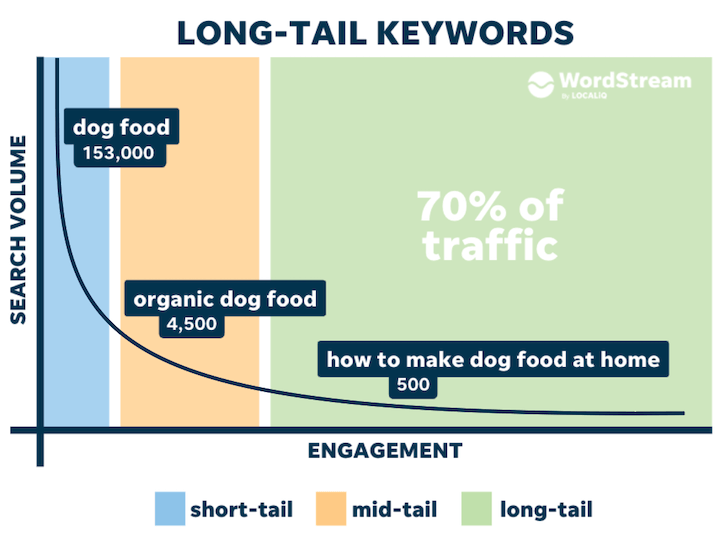
Content clustering groups related articles around one main topic. Each piece targets different long tail keywords. This creates a strong web of content. It shows search engines your site is an expert on the topic. Link all cluster pages to a main pillar page. This improves user experience and boosts your overall ranking. Focus on clear, helpful content that answers many user questions.
Credit: www.wordstream.com
Frequently Asked Questions
What Are Long Tail Keywords In Seo?
Long tail keywords are specific, longer phrases with low search volume. They target niche audiences and have less competition, improving ranking chances and attracting highly relevant traffic to your website.
Why Use Long Tail Keywords For Content Marketing?
Long tail keywords help attract targeted visitors who are more likely to convert. They improve content relevance, boost SEO rankings, and increase organic traffic from specific search queries.
How Do Long Tail Keywords Improve Search Rankings?
Long tail keywords face less competition, making it easier to rank higher. They align closely with user intent, increasing click-through rates and enhancing overall SEO performance.
Where To Find Effective Long Tail Keywords?
Use tools like Google Keyword Planner, Ahrefs, or SEMrush. Analyze search suggestions, competitor sites, and customer queries to discover relevant long tail keywords for your niche.
Conclusion
Long tail keywords help attract visitors who want specific information. They face less competition, making it easier to rank on search engines. Using these keywords improves your website’s chances to show up in searches. They also bring higher quality traffic ready to take action.
Focus on long tail keywords to grow your online presence steadily. Small steps lead to strong results over time. Keep your content clear and targeted for best success.