


Are you wondering how marketing automation can boost your business? Understanding the latest marketing automation stats can help you make smarter decisions and get better results.
These numbers reveal what works, what doesn’t, and how you can save time while reaching more customers. Keep reading to discover powerful insights that could change the way you market forever. Your next breakthrough might be just a stat away.
Market Growth Trends
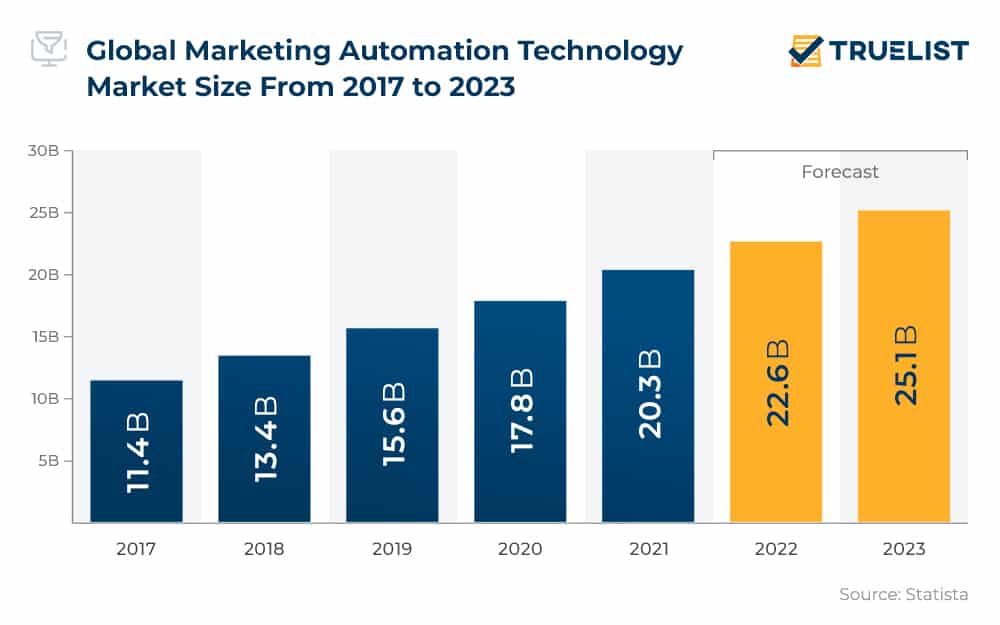
The marketing automation market is growing fast. Businesses of all sizes use automation tools to save time and improve customer engagement. New data shows steady growth across different sectors and regions. This growth reflects rising trust in automation technology and its benefits for marketing teams.
More companies adopt marketing automation each year. The technology helps with tasks like email campaigns, customer segmentation, and lead nurturing. This trend shows no sign of slowing down. Understanding where and how the market expands can help businesses make smart decisions.
Global Adoption Rates
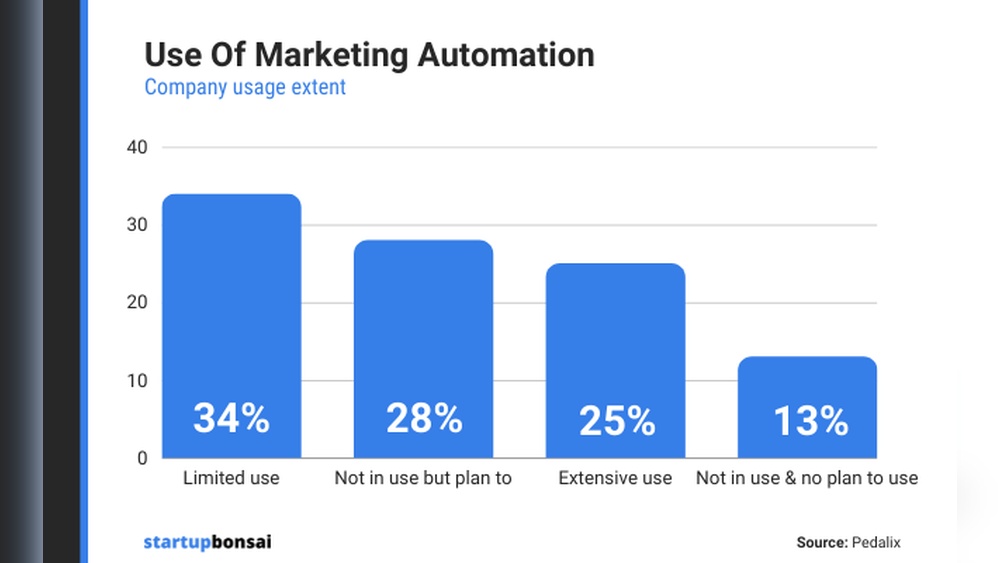
Marketing automation is becoming common worldwide. Over 70% of companies in major markets now use some form of automation. Small and medium businesses join large enterprises in adopting these tools. The increase is driven by the need to improve marketing efficiency and customer targeting. As technology costs drop, more firms can afford automation solutions.
Industry-specific Growth
Certain industries lead in marketing automation use. Technology, retail, and financial services show the highest adoption rates. These sectors benefit from personalized marketing and data-driven campaigns. Healthcare and education also start using automation to manage communication. Different industries customize tools to fit their unique needs and customer behaviors.
Regional Market Expansion
North America remains the largest market for marketing automation. Europe follows closely with strong growth in Western and Northern countries. Asia-Pacific is the fastest-growing region. Countries like India, China, and Australia increase their investments in marketing technology. This regional growth reflects rising digital adoption and expanding online markets.

Credit: backlinko.com
User Demographics
Understanding who uses marketing automation helps businesses tailor their strategies. User demographics reveal which companies and roles benefit most. This data guides better decisions and clearer targeting.
Business Size Breakdown
Small businesses make up about 40% of marketing automation users. Medium-sized companies follow closely with around 35%. Large enterprises hold the remaining 25%. Larger firms use automation for complex campaigns. Small businesses focus on saving time and improving reach.
Role-based Usage Patterns
Marketing teams lead in using automation tools, accounting for 60% of users. Sales professionals use these tools to nurture leads and close deals. Customer service teams apply automation to improve support responses. Executives use data from automation for strategic planning.
Age And Experience Levels
Users aged 25 to 40 represent the largest group of marketing automation users. Younger professionals adopt new tools quickly and explore features. More experienced users rely on automation for efficiency and accuracy. Training and support increase adoption across all age groups.
Key Performance Metrics
Marketing automation helps businesses track important numbers. These numbers show how well marketing efforts work. Key performance metrics give clear facts about growth and success. They help teams make smart decisions fast.
Understanding these metrics helps improve marketing strategies. It shows what brings more customers and what keeps them coming back. Let’s explore three main metrics that matter most for marketing automation.
Conversion Rate Improvements
Conversion rate shows how many visitors take action. Actions include buying, signing up, or contacting sales. Automation often raises conversion rates by sending timely messages. Studies reveal a 50% increase in conversions with automated emails. Personalized content and reminders push visitors to act quickly.
Lead Generation Impact
Lead generation counts new potential customers from marketing efforts. Automation tools capture leads through forms and landing pages. Reports show a 451% increase in leads using marketing automation. These systems score leads, so sales focus on ready buyers. More leads mean more chances to grow business fast.
Customer Retention Effects
Retaining customers saves money and builds loyalty. Automation keeps customers engaged with regular updates and offers. Data shows companies improve retention rates by up to 30% with automation. Timely follow-ups and personalized deals encourage repeat business. Happy customers often turn into brand advocates.
Popular Automation Tools
Marketing automation tools help businesses save time and work smarter. These tools handle repetitive tasks like emails, social media posts, and customer follow-ups. Using the right software can improve customer experience and boost sales. Here are some key facts about the most popular automation tools today.
Top Platforms By Usage
Several platforms lead the marketing automation market. HubSpot is widely used for its easy interface and many features. Mailchimp is popular for email marketing and simple automation. ActiveCampaign combines email, sales, and CRM tools in one place. Marketo serves large companies with advanced automation needs. These platforms help companies reach more people efficiently.
Emerging Software Trends
New tools focus on AI and machine learning to improve targeting. Chatbots and voice assistants are part of many platforms now. Personalized content delivery is becoming standard in automation software. Mobile-friendly tools gain importance as users shift to smartphones. These trends make marketing automation more effective and user-friendly.
Integration Capabilities
Top automation tools connect easily with other business software. They link with CRM, social media, and analytics platforms. Integration helps create smooth workflows and better data sharing. Many tools offer APIs to build custom connections. Strong integration boosts marketing campaigns and saves time.
Budget And Spending
Budget and spending are key areas in marketing automation. Businesses must decide how much to invest in tools and platforms. Understanding spending trends helps companies plan better. It also shows what others invest and expect in returns.
Average Investment Levels
Most companies spend between $10,000 and $50,000 annually on marketing automation. Small businesses tend to invest less, often under $15,000. Larger firms spend more, sometimes over $100,000. The amount depends on company size and marketing goals.
Spending Growth Forecasts
Marketing automation budgets are growing steadily. Analysts predict a 10% to 15% increase each year. More companies see automation as essential for marketing success. This growth reflects rising demand for better customer targeting and efficiency.
Roi Benchmarks
Return on investment (ROI) averages around 30% to 40%. Some businesses report even higher gains. Effective automation cuts costs and boosts sales. Measuring ROI helps companies justify their spending and improve strategies.
Challenges And Barriers
Marketing automation brings many benefits, but it also has challenges. Companies face barriers that slow down or stop their progress. These challenges affect how well automation tools work and how fast businesses see results.
Understanding these barriers helps teams plan better and avoid common pitfalls. Here are some key challenges businesses meet with marketing automation.
Common Implementation Issues
Many businesses struggle to set up automation systems correctly. Integration with existing tools often causes problems. Systems may not sync well, leading to data errors.
Automation processes can become too complex. Teams may find it hard to create effective workflows. This slows down campaigns and wastes resources.
Poor planning and unclear goals also cause failures. Without clear objectives, automation efforts can feel random and unproductive.
Data Privacy Concerns
Data privacy is a major worry in marketing automation. Customers demand their data is handled safely and legally. Businesses must follow strict rules to avoid fines.
Automation tools often collect and store large amounts of personal data. This raises risks of data breaches and misuse. Companies must invest in strong security measures.
Privacy laws vary by region, making compliance tricky. Teams need to stay updated on changing regulations to protect customer trust.
Skill Gaps And Training Needs
Many workers lack the skills to use marketing automation well. New tools require knowledge of both marketing and technology. This gap slows down adoption and success.
Training is essential but often overlooked. Without proper education, teams cannot maximize automation benefits. Regular training boosts confidence and improves results.
Hiring experts or outsourcing can help, but it raises costs. Businesses must balance skill needs with budget limits.
Future Outlook
Marketing automation is evolving fast. New tools and methods will shape its future. Businesses will rely more on smart technology to reach customers. These changes will make marketing easier and more effective.
Let’s explore key trends shaping the future of marketing automation.
Ai And Machine Learning Influence
AI and machine learning will drive smarter automation tools. They analyze data quickly to find patterns. This helps marketers predict customer needs better. AI can automate tasks like content creation and email timing. These tools learn and improve over time. This means campaigns become more accurate and efficient.
Personalization Advancements
Marketing will become more personal and targeted. Automation will use customer data to create unique messages. This means better engagement and higher conversion rates. Personalization will include product recommendations and tailored offers. Customers will feel understood and valued. This builds stronger brand loyalty and trust.
Predicted Market Innovations
New features will make marketing automation more powerful. Expect better integration with social media and mobile apps. Automation will handle more complex tasks with less human input. Voice and visual search will become part of campaigns. Predictive analytics will guide marketing decisions. These innovations will make marketing faster and smarter.
Credit: truelist.co

Credit: backlinko.com
Frequently Asked Questions
What Is Marketing Automation And How Does It Work?
Marketing automation uses software to automate repetitive tasks like emails and social media. It improves efficiency and personalizes customer interactions. This technology helps businesses nurture leads and increase conversions by delivering timely, relevant content based on user behavior and preferences.
What Are The Key Benefits Of Marketing Automation?
Marketing automation boosts productivity by saving time on manual tasks. It enhances customer targeting through data-driven insights. Automation increases lead generation, improves campaign ROI, and provides detailed analytics to optimize marketing strategies effectively.
How Effective Is Marketing Automation In Increasing Sales?
Marketing automation can increase sales by up to 14. 5%. It nurtures leads with personalized content and timely follow-ups. Automated workflows reduce response time, improving customer engagement and boosting conversion rates significantly.
Which Industries Benefit Most From Marketing Automation?
Industries like e-commerce, SaaS, real estate, and finance gain the most. These sectors rely on personalized customer journeys and lead nurturing. Marketing automation helps them scale outreach and improve customer retention effectively.
Conclusion
Marketing automation helps save time and reach more customers. Many businesses use these tools to improve their sales and marketing. Stats show that automation often leads to better results and higher efficiency. Small changes can make a big difference in your campaigns.
Keep tracking your data to see what works best. Start with simple steps and build from there. Marketing automation is a helpful tool, not a full solution. Use it wisely to support your goals and grow steadily.