


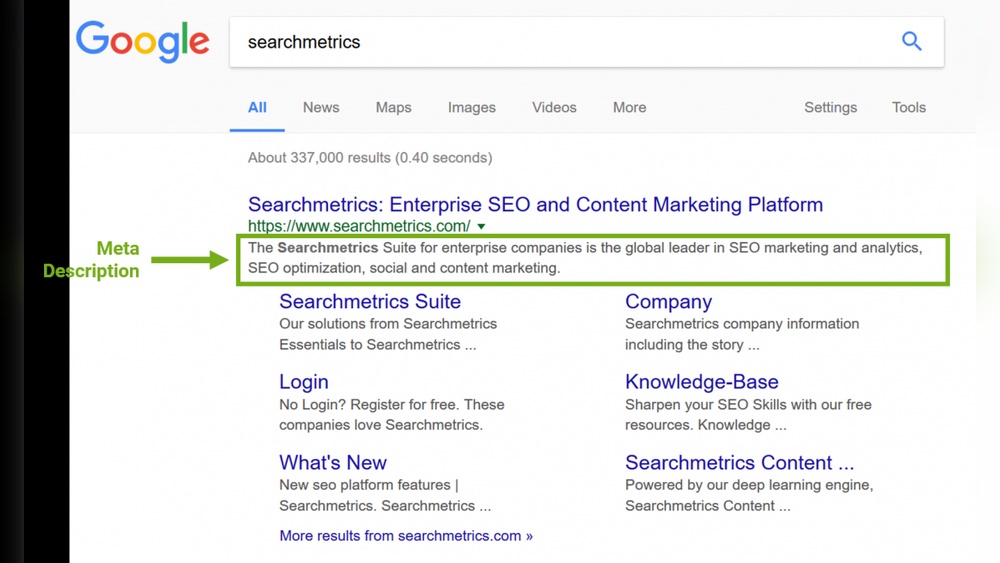
If you want more people to click on your website from search results, you need to master meta descriptions. These short snippets can make or break your chances of attracting visitors.
You might have great content, but if your meta description doesn’t catch attention, your page could get ignored. You’ll learn exactly what meta descriptions are, why they matter, and how to write ones that draw people in—boosting your traffic and growing your audience.
Keep reading to unlock simple tips that can change how your site performs.
Why Meta Descriptions Matter
Meta descriptions play a key role in SEO and user experience. They give a quick summary of a webpage. This summary appears in search engine results. A well-written meta description can attract more clicks. It helps users decide if a page fits their needs.
Search engines use meta descriptions to understand page content. Clear and relevant descriptions improve search ranking. They make the page stand out among many results. Ignoring meta descriptions means missing a chance to draw visitors.
What Meta Descriptions Do For Search Results
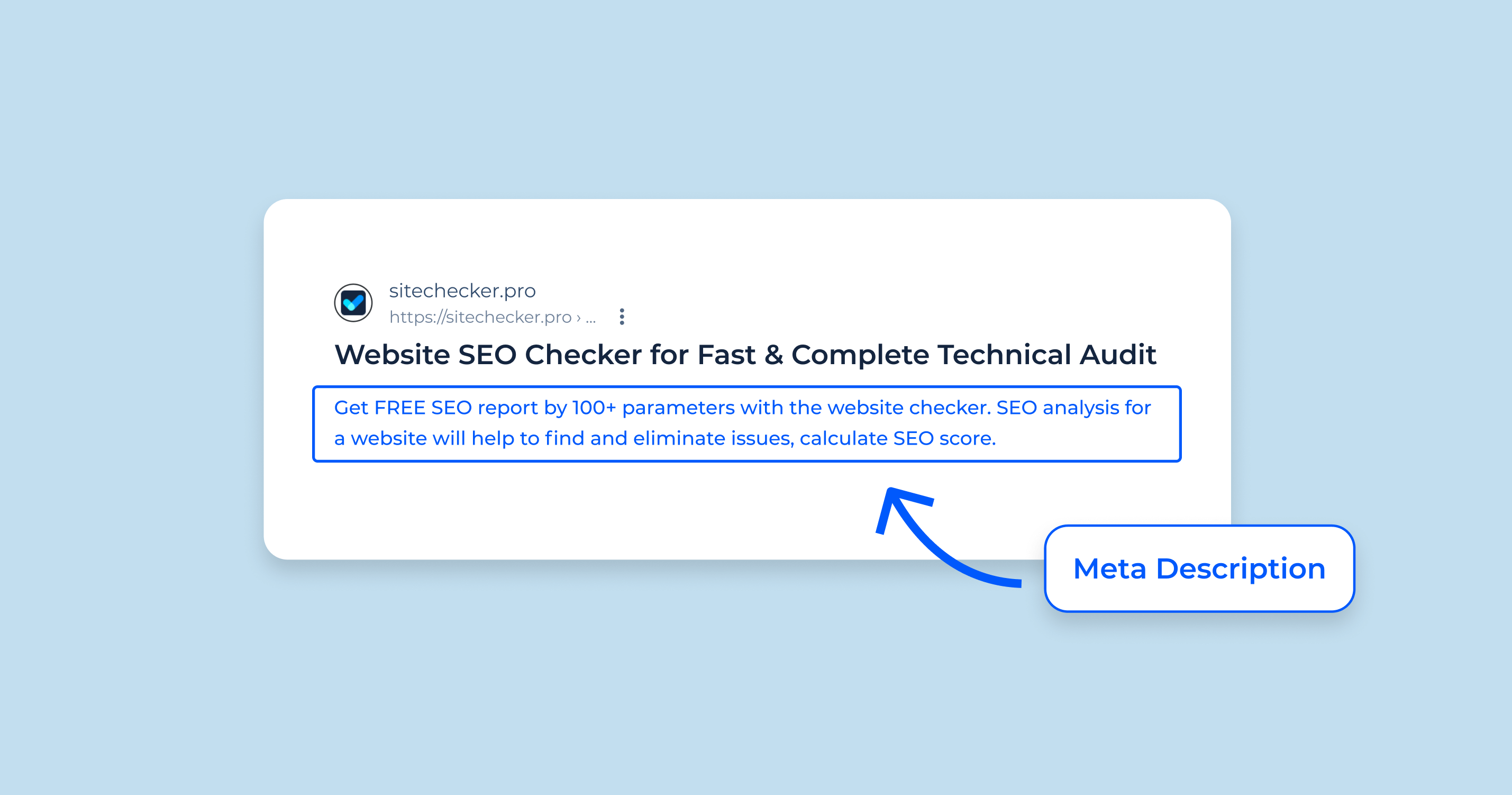
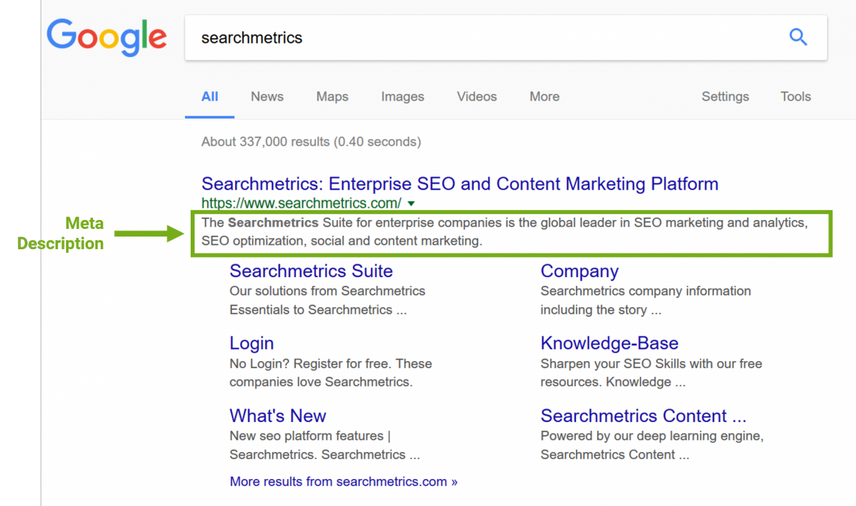
Meta descriptions show under page titles in search listings. They give a snapshot of the page’s topic. Good descriptions catch users’ attention quickly. They increase the chance users click your link. Poor or missing descriptions can reduce clicks.
How Meta Descriptions Affect Click-through Rates
A strong meta description invites clicks by explaining benefits. It answers user questions in simple words. Clear descriptions build trust and interest. Higher click-through rates boost overall site traffic. This can lead to better ranking over time.
Why Meta Descriptions Matter For User Experience
Meta descriptions help users find relevant pages faster. They reduce guesswork about what a page offers. Users feel confident clicking links with clear previews. This lowers bounce rates and improves satisfaction. Good meta descriptions make browsing easier.
Crafting Compelling Meta Descriptions
Crafting compelling meta descriptions is key to attracting clicks from search results. These short texts act as a preview for your page content. They must grab attention fast and clearly explain what visitors will find. Good meta descriptions improve your page’s visibility and click-through rate.
Focus on clarity, relevance, and appeal. Each word should count. Avoid vague or complex phrases. Think about what your audience wants to know and deliver it simply. Below are tips to write effective meta descriptions.
Use Clear And Concise Language
Keep meta descriptions short and easy to read. Use simple words that everyone understands. Avoid long sentences and jargon. Clear language helps users quickly see the value of your page. Aim for about 150-160 characters to fit search engine limits.
Incorporate Target Keywords
Include important keywords naturally in your meta description. Keywords highlight your page’s topic to search engines and users. Place them near the beginning if possible. This improves relevance and helps your page rank higher for those terms.
Create A Sense Of Urgency
Encourage users to act quickly by adding urgency. Use phrases like “limited time,” “don’t miss,” or “today only.” This pushes visitors to click your link now rather than later. Urgency makes your meta description more persuasive and clickable.
Common Mistakes To Avoid
Meta descriptions help search engines and users understand your page content. Writing them well boosts clicks and improves search rankings. Avoiding common mistakes keeps your meta descriptions clear and effective.
Keyword Stuffing
Putting too many keywords in your meta description hurts readability. It looks spammy and can lower your ranking. Use keywords naturally. Focus on making the description inviting and clear.
Being Too Vague Or Generic
Generic descriptions fail to attract users. Phrases like “Best products” or “Quality services” do not explain what the page offers. Be specific and give users a reason to click. Clear and direct descriptions perform better.
Ignoring Character Limits
Search engines usually show only the first 150-160 characters. Longer descriptions get cut off, leaving incomplete thoughts. Keep your meta description concise and complete. This ensures the full message appears in search results.

Credit: www.singlegrain.com
Testing And Optimizing Meta Descriptions
Testing and optimizing meta descriptions helps improve your website’s visibility and clicks. It shows which descriptions attract more visitors from search engines. Small changes can make a big difference in performance.
Testing allows you to find the best words and structure for your meta descriptions. Optimization means adjusting them based on data to get better results. This process takes time but boosts your website’s traffic effectively.
A/b Testing Strategies
A/B testing means creating two versions of a meta description. Each version has slight differences like word choice or length. Show these versions to different groups of users to see which performs better.
Test one element at a time. For example, test a call-to-action phrase or use of numbers. This helps identify what changes improve clicks clearly.
Analyzing Click-through Rates
Click-through rate (CTR) shows how many people click your link after seeing it. Higher CTR means your meta description attracts more attention. Use tools like Google Search Console to check your CTR data.
Compare CTRs of different meta descriptions. Look for patterns in descriptions that get more clicks. This helps you understand what works for your audience.
Adjusting Based On Performance
Use CTR data to improve your meta descriptions regularly. Change weak descriptions by adding clearer benefits or stronger calls to action. Shorten or simplify descriptions if they confuse users.
Keep testing new versions even after finding a good one. Search trends and user preferences can change over time. Staying updated keeps your meta descriptions effective.
Tools To Enhance Meta Description Creation
Creating effective meta descriptions is easier with the right tools. These tools help you write clear, concise, and engaging summaries for your web pages. They save time and improve your SEO efforts. You can check length, keywords, and overall quality quickly.
Many tools work directly in your browser or content editor. Others analyze your content to suggest better descriptions. Some even generate descriptions automatically using AI. Using these tools ensures your meta descriptions attract clicks and boost your search rankings.
Seo Plugins And Extensions
SEO plugins and browser extensions add meta description features to your workflow. They show real-time previews of your descriptions in search results. Plugins like Yoast SEO and Rank Math guide you on length and keyword use. Extensions for Chrome and Firefox highlight SEO issues on your pages.
These tools simplify editing without switching apps. They help keep your meta descriptions within the ideal length. They also warn if keywords are missing or overused. Using these plugins ensures your meta descriptions fit SEO best practices.
Content Analysis Tools
Content analysis tools review your page content and meta descriptions. They check relevance, keyword density, and readability scores. Tools like SEMrush and Ahrefs provide detailed insights into your meta tags. They spot weak descriptions and suggest improvements.
These tools help you write meta descriptions that match page content. They also compare your descriptions with competitors’. This helps create unique and compelling summaries. Content analysis tools make meta description writing more strategic.
Automation And Ai Solutions
Automation and AI tools generate meta descriptions quickly. They analyze your content and create summaries automatically. Tools like Jasper and Copy.ai use AI to draft clear and relevant descriptions.
These solutions save time on large websites with many pages. They provide ideas you can edit to fit your style. AI tools help maintain consistency across your site. Automation makes meta description creation faster and easier.
Credit: sitechecker.pro
Credit: www.conductor.com
Frequently Asked Questions
What Is A Meta Description In Seo?
A meta description is a brief summary of a webpage’s content. It appears in search results below the page title. It helps users understand the page topic and encourages clicks. Well-crafted meta descriptions improve SEO by increasing click-through rates.
How Long Should A Meta Description Be?
Meta descriptions should be between 150 to 160 characters. This length ensures the full description appears in search results. Too long descriptions get cut off, reducing their impact. Keeping it concise improves readability and click potential.
Why Are Meta Descriptions Important For Seo?
Meta descriptions influence search engine click-through rates. They provide a clear page summary to users on SERPs. Though not a direct ranking factor, effective meta descriptions boost traffic. Higher traffic signals relevance to search engines.
Can Meta Descriptions Affect Website Ranking?
Meta descriptions do not directly affect rankings. However, they impact user behavior by increasing clicks. Higher click-through rates can indirectly improve rankings. Thus, writing compelling meta descriptions benefits overall SEO strategy.
Conclusion
Meta descriptions help improve your website’s click rate. They give a clear summary of your page content. Good descriptions attract more visitors from search results. Keep them short, relevant, and easy to read. Use keywords naturally to match search intent.
Avoid stuffing or vague phrases that confuse users. Well-written meta descriptions support better SEO and user experience. Regularly update them to stay relevant. Small changes can make a big difference in traffic. Focus on clarity and value to engage your audience.
Meta descriptions matter for every webpage you publish.