


Are you curious about how social media can boost your business? Knowing the right stats can change the way you approach your marketing strategy.
You’ll discover powerful social media marketing stats that reveal what works and what doesn’t. These numbers will help you make smarter decisions, reach more people, and get better results. Keep reading to unlock insights that could transform your social media game.
Credit: truelist.co
Social Media Growth In 2025
Social media continues to grow rapidly in 2025. Millions of new users join platforms every month. Businesses and individuals use social media more to connect and share. The landscape of social media is always changing. New trends and shifts shape how people interact online. Understanding these changes helps marketers plan better strategies.
User Base Expansion
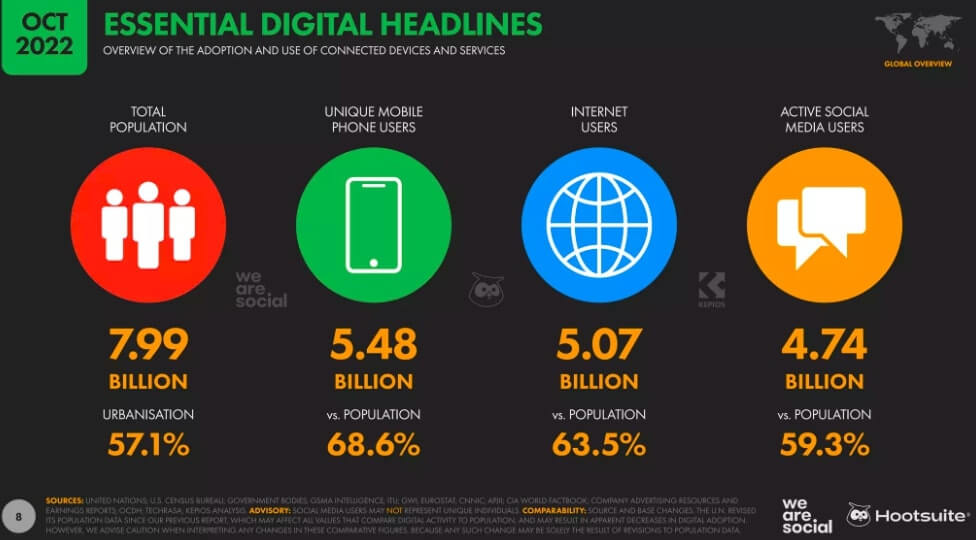
The number of social media users is rising steadily worldwide. More people access the internet through smartphones. Regions like Asia, Africa, and Latin America show the fastest growth. Older age groups are joining social media platforms more often. This creates a wider audience for brands and creators. The growth means more competition but also more chances to reach people.
Platform Popularity Shifts
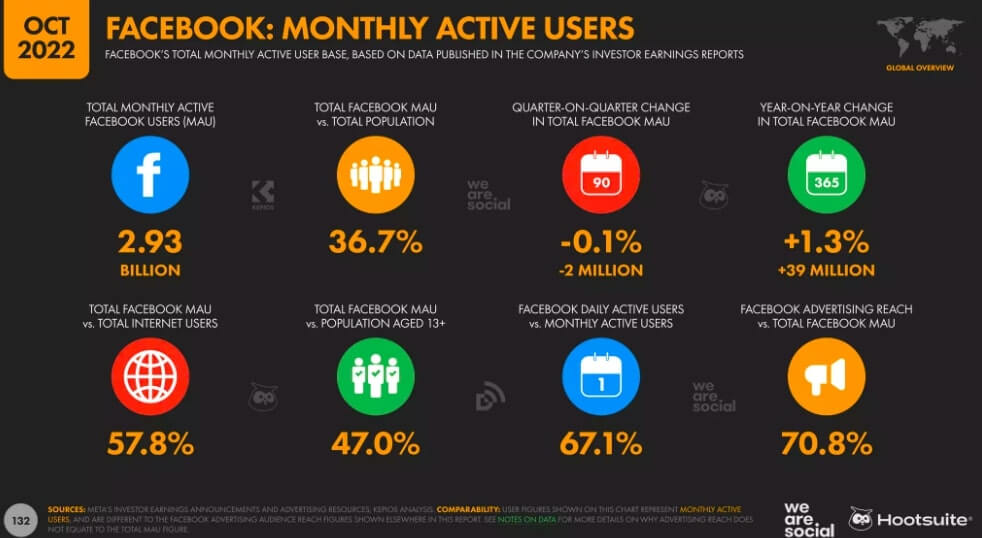
Some platforms gain users while others lose them. TikTok and Instagram keep attracting younger audiences. Facebook still has a large, diverse user base but grows slowly. Twitter and LinkedIn serve specific needs and grow steadily. Users spend more time on video and live content. Platforms that offer easy sharing and quick updates perform better.
Emerging Networks
New social networks appear to meet changing user needs. Some focus on privacy and small communities. Others use new technology like virtual reality. These networks attract niche audiences and early adopters. They push older platforms to improve features. Watching these emerging networks helps spot future trends.
Credit: smashballoon.com
Content Trends Driving Engagement
Content trends shape how audiences interact with social media. They influence what users watch, share, and comment on. Understanding these trends helps brands create posts that get noticed. Engagement grows when content matches user preferences and platform styles.
Short-form Video Dominance
Short-form videos grab attention quickly. Platforms like TikTok and Instagram Reels lead this trend. These clips last from a few seconds to one minute. They keep viewers interested without demanding too much time. Brands using short videos see higher likes and shares. This format fits mobile viewing and fast scrolling habits.
Interactive Content
Interactive content invites users to participate actively. Polls, quizzes, and questions boost user interaction. This content type encourages comments and shares. It makes users feel part of the conversation. Engagement rises because users spend more time on posts. Interaction also builds trust and loyalty.
User-generated Content Impact
User-generated content (UGC) shows real people using products. Customers share photos, videos, and reviews online. Brands reposting UGC gain authenticity and trust. People trust peer opinions more than ads. UGC also creates a community feel around a brand. This content type increases brand visibility and engagement.
Advertising Trends And Spend
Social media advertising grows fast every year. Companies spend more money to reach people online. New trends shape how this money is used. Understanding these changes helps marketers plan better. Tracking where budgets go shows what works best.
Budget Allocation Changes
Advertisers now spend more on social media ads than before. Mobile ads take a bigger share of the budget. Video ads get more funding because they catch attention. Spending on stories and short videos rises steadily. Marketers reduce funds on static images and text ads.
Ad Formats With Highest Roi
Video ads bring the best return on investment. Short, engaging clips hold viewers longer. Carousel ads also perform well by showing multiple products. Interactive ads increase clicks and engagement rates. Ads with clear calls to action get more conversions.
Influencer Marketing Stats
Influencer marketing budgets grow by over 30% yearly. Micro-influencers often deliver better engagement than celebrities. 70% of brands say influencer ads boost sales directly. Authentic and relatable content wins audience trust. Many marketers plan to increase influencer spending soon.
Audience Behavior Insights
Understanding audience behavior on social media is key for success. Knowing when and how people interact helps shape better marketing strategies. Marketers can tailor posts to fit user habits and preferences.
Audience behavior insights reveal patterns in engagement, device use, and content choices. These details guide content creation and timing. They also improve connection with the target audience.
Peak Engagement Times
Users are most active at certain times of the day. Morning hours between 7 AM and 9 AM show high activity. Evenings from 6 PM to 9 PM also see a rise in engagement. Weekends often have more user interactions than weekdays. Posting during these times increases chances of reaching more people.
Device Usage Patterns
Most social media users prefer mobile devices. Over 80% of users access platforms on smartphones. Tablets and desktops follow but have smaller shares. Mobile users tend to browse quickly and expect fast-loading content. Optimizing posts for mobile devices improves user experience and engagement.
Content Consumption Preferences
Visual content like images and videos attract more attention. Short videos get higher views than long ones. Text posts with clear, simple messages perform well. Users favor content that is easy to understand and share. Interactive content such as polls or quizzes also boosts participation.
Data Privacy And Regulation Effects
Data privacy and regulations shape social media marketing today. New laws protect user data and change how marketers operate. These rules affect targeting, trust, and compliance across platforms.
Impact On Targeting Strategies
Marketers face limits on collecting user data. Less data means fewer options to target ads precisely. Broad audience targeting becomes common. Advertisers rely more on context than on personal details. This change affects ad performance and costs.
Consumer Trust Metrics
Consumers care about their data privacy more than before. Brands that respect privacy gain higher trust scores. Transparent data use builds stronger customer relationships. Poor privacy practices lead to lost followers and sales. Trust is now a key metric for success.
Compliance Challenges
Following privacy laws is complex and costly. Marketers must update tools and processes often. Mistakes can lead to fines and legal trouble. Small businesses struggle more with compliance demands. Staying informed on regulations is essential for all.
Technology Innovations Shaping Marketing
Technology changes how marketers reach and engage audiences. New tools and methods help create better campaigns. These innovations make social media marketing faster and more effective. Marketers use smart technology to understand users and deliver what they want. The impact is clear in how brands connect with customers today.
Ai And Automation In Campaigns
Artificial intelligence (AI) helps create and manage ads. It finds the right audience quickly. Automation runs tasks without human help. This saves time and reduces mistakes. AI also analyzes data to improve results. Campaigns become smarter and more targeted.
Augmented Reality Experiences
Augmented reality (AR) adds digital images to real life. Brands use AR to show products in new ways. Customers can see how items look before buying. This creates fun and interactive experiences. AR helps people feel closer to the brand.
Chatbots And Customer Interaction
Chatbots answer questions anytime without waiting. They provide quick help on social media platforms. Chatbots can guide users through buying steps. This improves customer service and saves money. Brands stay connected with customers all day long.
Credit: smashballoon.com
Frequently Asked Questions
What Are The Top Social Media Platforms For Marketing?
Facebook, Instagram, and LinkedIn lead in social media marketing. Each platform offers unique ad targeting and audience reach. Marketers choose based on their target demographics and campaign goals to maximize engagement and conversion rates effectively.
How Does Social Media Impact Brand Awareness?
Social media boosts brand visibility by reaching millions of users globally. Consistent posting and engagement increase recognition. Brands build trust and loyalty through interactive content and real-time customer feedback, enhancing overall awareness and market presence.
What Is The Average Roi Of Social Media Marketing?
Average ROI from social media marketing varies by industry but often ranges between 20-30%. Effective strategies include targeted ads and influencer partnerships. Measuring conversions and engagement helps optimize campaigns and improve return on investment.
How Often Should Businesses Post On Social Media?
Posting frequency depends on the platform and audience. Generally, 3-5 times weekly on Facebook and Instagram works well. Consistent posting keeps the audience engaged and improves algorithm favorability, driving better reach and interaction.
Conclusion
Social media marketing continues to grow every year. More people use social platforms daily. Businesses reach customers in new ways. Data shows which channels work best. Understanding these stats helps improve strategies. Small changes can bring better results. Stay updated to keep your edge.
Social media is a key part of marketing today. Use these insights to plan smarter moves. Success comes with clear goals and good data. Keep learning and adapting as trends change.