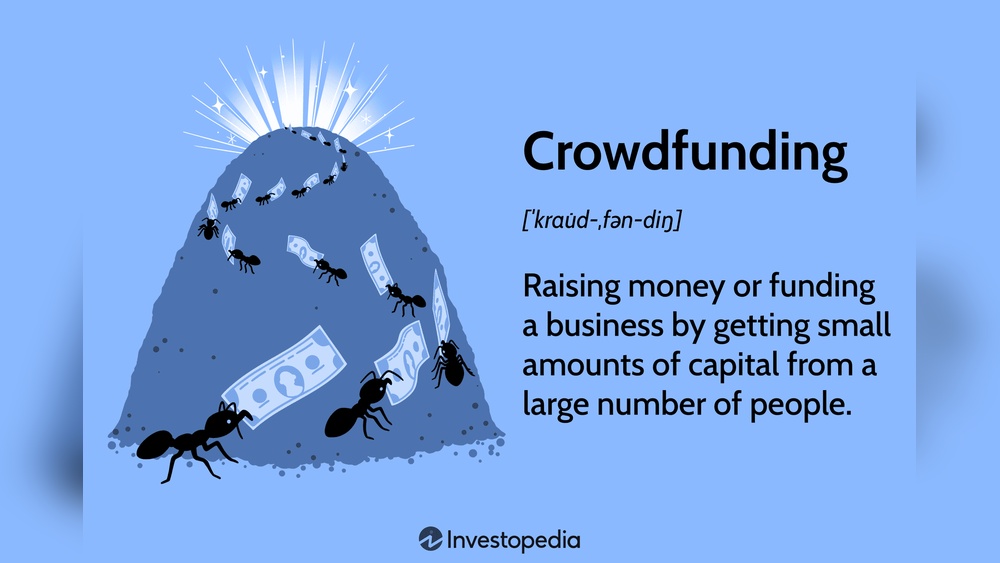
Have you ever had a great idea but didn’t have enough money to make it happen? Crowdfunding might be the answer you’re looking for.
It lets you raise small amounts of money from many people who believe in your project. Imagine turning your dreams into reality with the support of a community that cares. You’ll discover how crowdfunding works, why it’s powerful, and how you can use it to bring your ideas to life.
Keep reading—your next big opportunity could be just a few clicks away.
What Is Crowdfunding
Crowdfunding is a method to raise money from many people. It helps fund projects, businesses, or causes. Instead of borrowing from banks, individuals ask the public for support.
This approach uses online platforms. These websites connect creators with backers worldwide. People can contribute small amounts to help reach a goal.
How Crowdfunding Works
A person or group creates a campaign. They share details about their idea and money needed. Supporters pledge funds in exchange for rewards or shares.
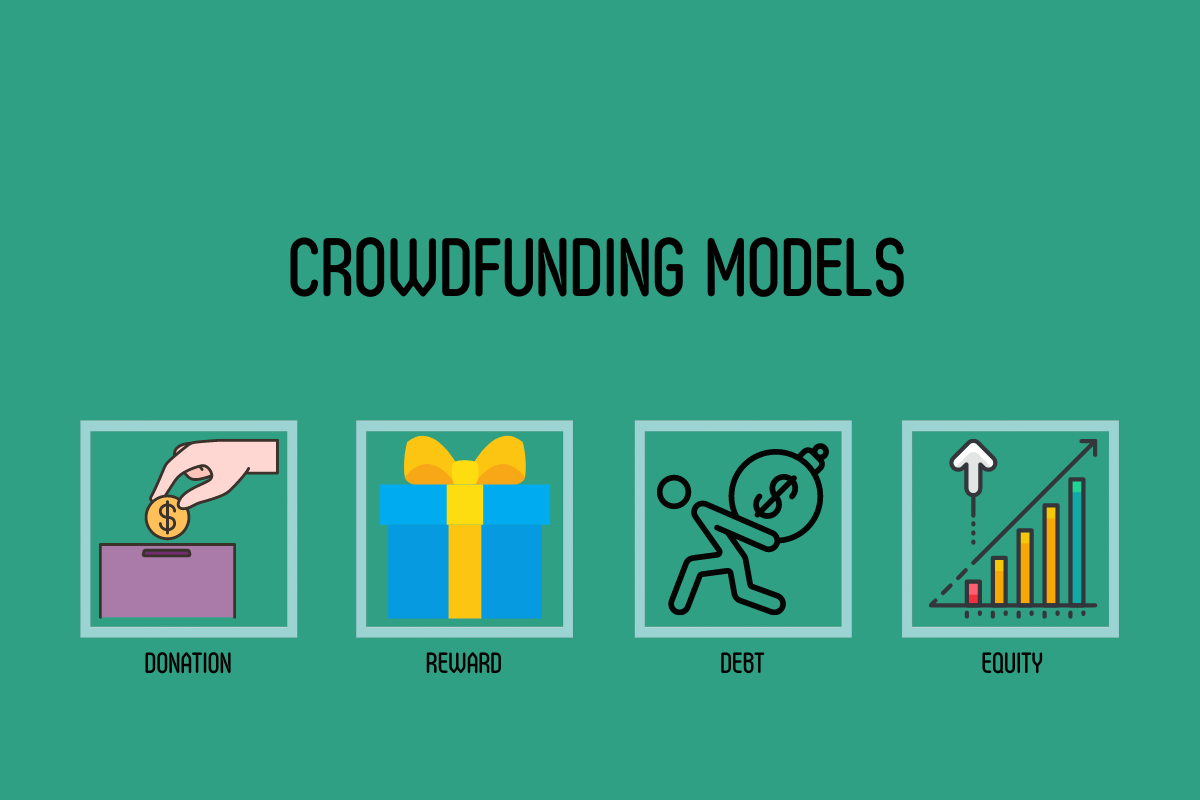
There are four main types: donation, reward, equity, and debt crowdfunding. Donation is for charity. Reward offers gifts. Equity gives shares. Debt means loans.
Who Uses Crowdfunding
Entrepreneurs, artists, nonprofits, and inventors use crowdfunding. It helps launch products, fund events, or support causes. Anyone with a clear idea can try it.
Types Of Crowdfunding
Crowdfunding offers different ways to raise money for projects or businesses. Each type suits different needs and goals. Understanding these types helps you pick the right one for your idea.
Reward-based Crowdfunding
This type lets backers get a reward for their support. Usually, the reward is a product or service. Many creative projects use this method. It builds a community around the idea early on.
Equity Crowdfunding
Investors receive shares in the company. It works like buying stock in a business. This method suits startups looking for growth funds. Backers share in the company’s future profits.
Debt Crowdfunding
Also called peer-to-peer lending. You borrow money from many people. Then repay it with interest over time. It helps businesses avoid traditional bank loans. Lenders earn income from the interest.
Donation-based Crowdfunding
People give money without expecting anything back. It supports causes, charities, or personal needs. This method relies on goodwill and generosity. It’s popular for emergencies and community help.
Benefits For Startups
Startups face many challenges at the beginning. One of the biggest is getting money to grow. Crowdfunding helps startups solve this problem. It offers many benefits beyond just funds. These benefits help startups build a strong base for success.
Crowdfunding brings more than cash. It helps test ideas, build fans, and spread the word. This makes it a smart choice for new businesses.
Access To Capital
Startups often struggle to get money from banks or investors. Crowdfunding opens a new way to raise funds. Anyone can support the idea by giving small amounts. These small amounts add up fast. This helps startups get the money they need without big loans or giving away too much control.
Market Validation
Crowdfunding shows if people like the product or idea. If many support the project, it means there is demand. This early feedback saves time and money. Startups can improve their product based on real opinions. It reduces risks and builds confidence.
Building A Community
Supporters become part of the startup’s journey. They share ideas and spread the word. This group of fans helps with advice and support. It creates loyal customers who feel connected to the brand. The community stays with the startup even after funding ends.
Marketing And Exposure
Crowdfunding campaigns attract attention from media and potential customers. It creates a buzz around the startup. This free publicity helps reach many people at once. It is a chance to tell the story and show the product. More eyes mean more chances to succeed.

Credit: lenderkit.com
Choosing The Right Platform
Choosing the right crowdfunding platform is key to your campaign’s success. Each platform has unique features, fees, and audiences. Picking the best one saves time and boosts funding chances.
Consider your project type and goals first. Then, compare the platforms carefully. Look for ease of use and support options. The right platform fits your needs and helps you reach backers fast.
Popular Crowdfunding Sites
Many crowdfunding sites serve different purposes. Kickstarter is great for creative projects like art and tech. Indiegogo offers flexible funding for various ideas. GoFundMe suits personal causes and emergencies. Each site attracts distinct backers and project types.
Platform Fees And Policies
Fees vary widely among platforms. Some charge a percentage of the total funds raised. Others have fixed fees or payment processing costs. Read the policies on refunds and failed campaigns. Know what happens if you don’t meet your goal.
Audience And Reach
Audience size affects your campaign’s visibility. Large platforms have millions of visitors. Smaller sites may target niche communities. Choose a platform with users interested in your project type. This increases chances of reaching the right backers.
Creating A Winning Campaign
Creating a winning crowdfunding campaign takes careful planning and clear focus. Every part of your campaign should connect with your audience. You want to build trust and excitement about your project. Follow simple steps to design a campaign that stands out and draws support.
Focus on clear goals, tell a strong story, use great visuals, and offer good rewards. These elements work together to make your campaign successful.
Setting Clear Goals
Set a simple and specific funding goal. Your goal should match the amount needed for your project. Avoid asking for too much money. A clear goal helps backers understand your needs. It also shows you have a plan. Break down how you will use the funds. This builds trust and encourages people to give.
Crafting A Compelling Story
Your story is the heart of your campaign. Explain why your project matters. Share your passion and the problem you want to solve. Use real examples and simple words. Make your story personal and honest. People connect with stories that feel true. Keep your message clear and easy to follow.
Effective Visuals And Videos
Good visuals grab attention fast. Use photos that show your product or idea clearly. Videos help explain your project better. Keep videos short and to the point. Show how your project works and why it is useful. Make sure visuals look professional but real. They help people trust your campaign more.
Reward Tiers And Incentives
Offer rewards that match different donation levels. Small rewards can thank backers for small gifts. Bigger rewards should feel special and valuable. Make sure rewards relate to your project. Clear and fair rewards motivate people to support you. Avoid too many choices to keep it simple.
Promoting Your Campaign
Promoting your crowdfunding campaign is key to reaching your funding goal. Without promotion, even the best ideas may stay unnoticed. Sharing your project widely brings attention and support. Use simple, clear messages that explain your campaign’s value.
Social Media Strategies
Social media platforms connect you with many people fast. Post regular updates about your project progress. Use images and short videos to catch attention. Ask friends and supporters to share your posts. Join groups related to your campaign topic. Engage by replying to comments and messages quickly.
Email Marketing
Email remains a strong tool to reach interested people. Build a list of contacts before launching your campaign. Send clear and short emails explaining your project. Include a call to action, like visiting your campaign page. Remind your audience about milestones and deadlines. Personalize emails to make readers feel special.
Engaging Influencers
Influencers have followers who trust their opinions. Find influencers in your campaign’s area of interest. Send them a polite message explaining your project. Offer something valuable, like early access or special rewards. Their endorsement can bring new supporters. Keep communication friendly and professional.
Offline Promotion
Offline promotion still matters, especially in local areas. Use flyers, posters, and business cards to spread the word. Attend local events or meetings to talk about your campaign. Ask friends and family to help share your message. Face-to-face talks create trust and personal connection.
Managing Backers And Funds
Managing backers and funds is key to a successful crowdfunding campaign. It builds trust and keeps supporters engaged. Clear communication and careful handling of money create a positive experience. Keeping promises about rewards strengthens your reputation. Transparency about progress and challenges helps maintain backer confidence. Each step matters to keep your project on track and your backers happy.
Communication Best Practices
Talk to your backers often. Share updates about progress and challenges. Use simple language to explain complex ideas. Answer questions quickly and politely. Show appreciation for their support. Regular updates keep backers interested and involved. Avoid jargon and keep messages clear. A friendly tone builds a strong connection.
Handling Funds Responsibly
Track every dollar carefully. Use funds only for the project as promised. Create a budget and follow it strictly. Keep records of all expenses. Avoid spending on unrelated items. Secure your payment systems to protect money. Responsible fund management earns backers’ trust. Plan for unexpected costs to avoid surprises.
Fulfilling Rewards
Deliver rewards on time. Quality matters as much as speed. Check each item before sending it out. Communicate any delays honestly. Make sure packaging protects the rewards. Personalize messages to thank each backer. Timely rewards show respect for backers’ support. Keep a system to track shipments and deliveries.
Maintaining Transparency
Be open about project status and challenges. Share honest updates even when problems occur. Explain how funds are used. Post clear timelines for each project phase. Invite backers to ask questions anytime. Transparency builds long-term trust and loyalty. Avoid hiding information to prevent backer frustration.
Common Challenges And Solutions
Crowdfunding offers great chances to raise money for projects. Many people face common problems during campaigns. Knowing these challenges helps prepare better. Solutions improve success rates and reduce stress.
Understanding issues early saves time and effort. Each problem has practical ways to handle it. Let’s explore key challenges and how to solve them.
Dealing With Low Engagement
Low engagement means fewer people support your project. This slows funding and lowers chances of success. To fix this, share clear and simple messages about your project. Use pictures and videos to catch attention. Talk to friends and ask them to share. Keep posting updates to keep interest alive.
Managing Campaign Delays
Delays happen when tasks take longer than planned. This can upset backers and hurt your reputation. Tell supporters about delays quickly and honestly. Explain reasons and new timelines clearly. Plan extra time for problems before launching. Use small steps to finish work on time.
Navigating Legal Issues
Crowdfunding has rules that vary by country and project type. Not following laws can cause fines or shutdowns. Research rules before starting your campaign. Ask experts if unsure about contracts or taxes. Keep all documents organized and transparent. Respect backers’ rights and privacy at all times.
Success Stories To Inspire
Crowdfunding has helped many people turn ideas into reality. These success stories show what is possible. They inspire others to start their own projects. Each story tells of hard work and support from backers.
These examples come from different fields. From tech gadgets to creative arts, crowdfunding made dreams come true. Let’s explore some stories that highlight this power.
Oculus Rift: Virtual Reality Made Real
Oculus Rift started as a small project on Kickstarter. The team raised over $2.4 million from backers. They created a virtual reality headset that changed gaming. Later, a major tech company bought Oculus for billions. This story shows how passion and community support create success.
Pebble Watch: The First Smartwatch
Pebble Watch began as a simple idea for a smartwatch. The creators raised $10 million on Kickstarter. It became the most funded campaign at the time. Pebble proved that new technology could attract many supporters. Their story encourages inventors to believe in their ideas.
Exploding Kittens: A Card Game Hit
Exploding Kittens is a fun card game created by friends. They raised $8.7 million on Kickstarter. The game appealed to many people who love humor and strategy. This success shows how creativity and fun can win big.
Flow Hive: Changing Beekeeping Forever
Flow Hive created a new way to harvest honey easily. The project raised over $12 million from backers. It helped both beginners and experts keep bees better. Their story proves that simple ideas can solve real problems.

Credit: p2pmarketdata.com
Credit: www.aroraproject.co
Frequently Asked Questions
What Is Crowdfunding And How Does It Work?
Crowdfunding is raising small funds from many people online. It uses platforms to connect project creators with supporters. Backers contribute money to support ideas, products, or causes. Successful campaigns meet funding goals within set timeframes. It helps startups, artists, and nonprofits gather capital quickly.
What Are The Main Types Of Crowdfunding?
The main types include donation-based, reward-based, equity, and debt crowdfunding. Donation-based supports charitable causes without returns. Reward-based offers products or perks in exchange for funds. Equity crowdfunding sells company shares to investors. Debt crowdfunding involves loans repaid with interest.
How Can I Launch A Successful Crowdfunding Campaign?
Start with a clear, compelling story and goals. Create engaging content like videos and images. Set realistic funding targets and deadlines. Promote your campaign on social media and email. Engage with backers and provide timely updates throughout your campaign.
What Are Common Risks In Crowdfunding Projects?
Risks include project failure, delayed delivery, or no rewards. Some campaigns may lack transparency or accountability. Backers might lose their contributions if projects don’t succeed. Always research creators and read terms before supporting campaigns. Crowdfunding is not a guaranteed investment.
Conclusion
Crowdfunding opens doors for many ideas and projects. It lets people share their dreams with others. Small amounts of money can add up fast. Supporters feel involved and connected to causes. Success depends on clear goals and honest updates. Choosing the right platform helps reach the right crowd.
Every contribution, big or small, matters a lot. This method makes funding simpler and more open. Try crowdfunding to bring your idea to life. It can turn plans into real things.