
Web - Product & content
ICanSpoon
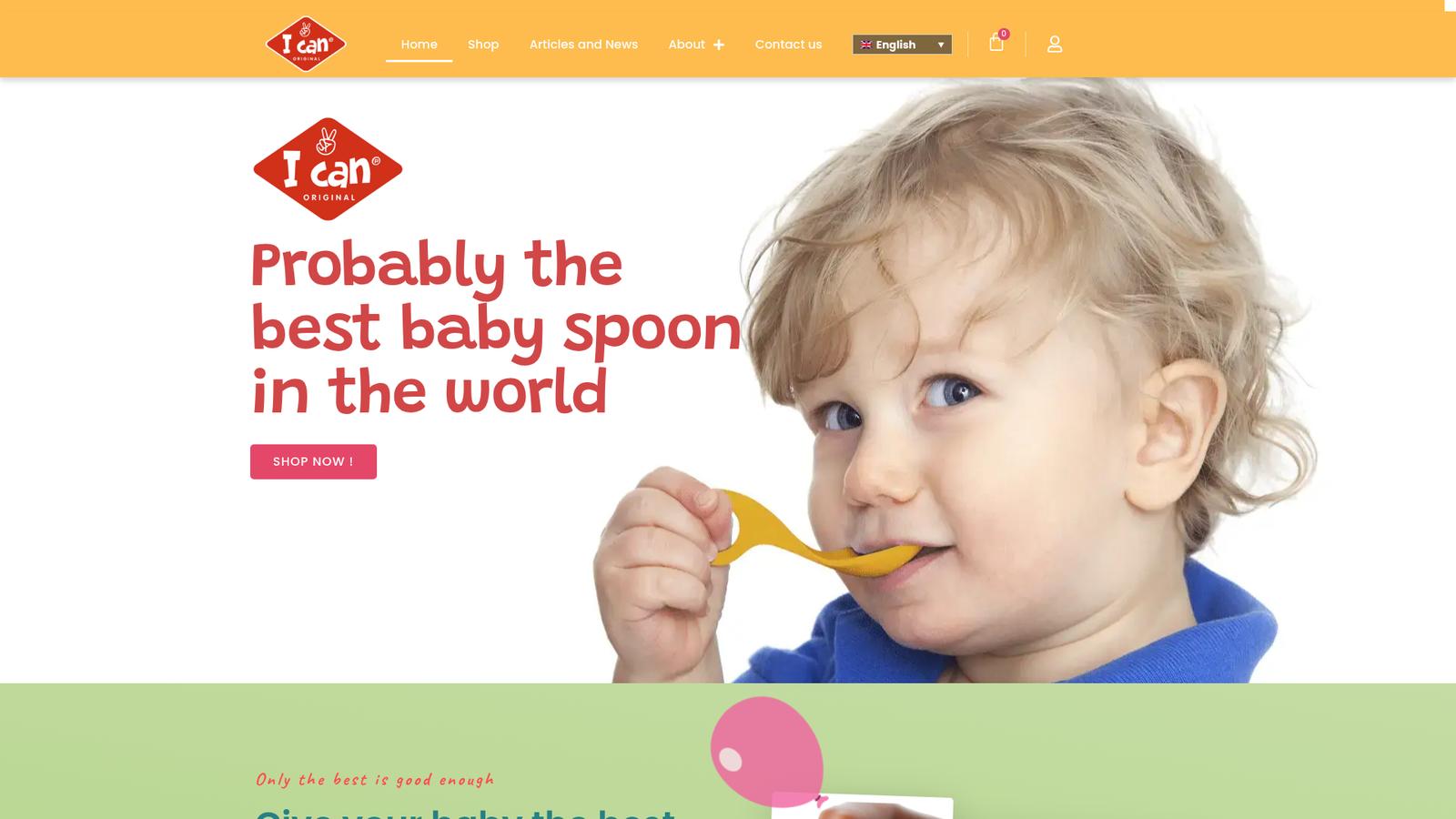
ICanSpoon is a product and recipe platform built on a simple insight: if you can spoon, you can cook. Hive Creatives built the entire site.
About the business and the brief
ICanSpoon is built around a product and a philosophy: easy-to-use cooking tools combined with simple, accessible recipes that make anyone feel like a capable cook. The platform is both a product catalogue and a recipe resource - and the two need to work together. The brief was to build a website that reflects the brand's playful, confidence-building tone while driving product sales and recipe engagement. Hive Creatives owned strategy, brand work, web design, development and content structure.
Challenge
Balancing e-commerce with content marketing is always a design challenge. The recipe section needs to feel inspiring and editorial (a place where visitors want to spend time), while the product pages need to be clean, conversion-optimised and sales-driven. These two purposes can pull in opposite directions if the architecture is not thought through. Add requirements for recipe categorisation, ingredient-based search, product bundling, mobile-first UX and a visual tone that is playful but not childish - and the scope becomes clear.
Solution
We built a site where recipes and products coexist naturally. The recipe section is built as a proper content hub: categorised by meal type, difficulty, ingredient - with clear CTAs to the products used in each recipe. Product pages are clean, conversion-optimised and designed to let the product and its recipe context do the selling. The information architecture treats recipes and products as equally important, with cross-linking built into the templates. The design is bright, playful and image-driven with warm colours and friendly typography. Technically the site is fast, mobile-first and built on a CMS that makes it easy to keep publishing new recipes.Balancing e-commerce with content marketing is always a design challenge. The recipe section needs to feel inspiring and editorial (a place where visitors want to spend time), while the product pages need to be clean, conversion-optimised and sales-driven. These two purposes can pull in opposite directions if the architecture is not thought through. Add requirements for recipe categorisation, ingredient-based search, product bundling, mobile-first UX and a visual tone that is playful but not childish - and the scope becomes clear.
More case studies
Webb · SEO
Gårdsbutikguiden
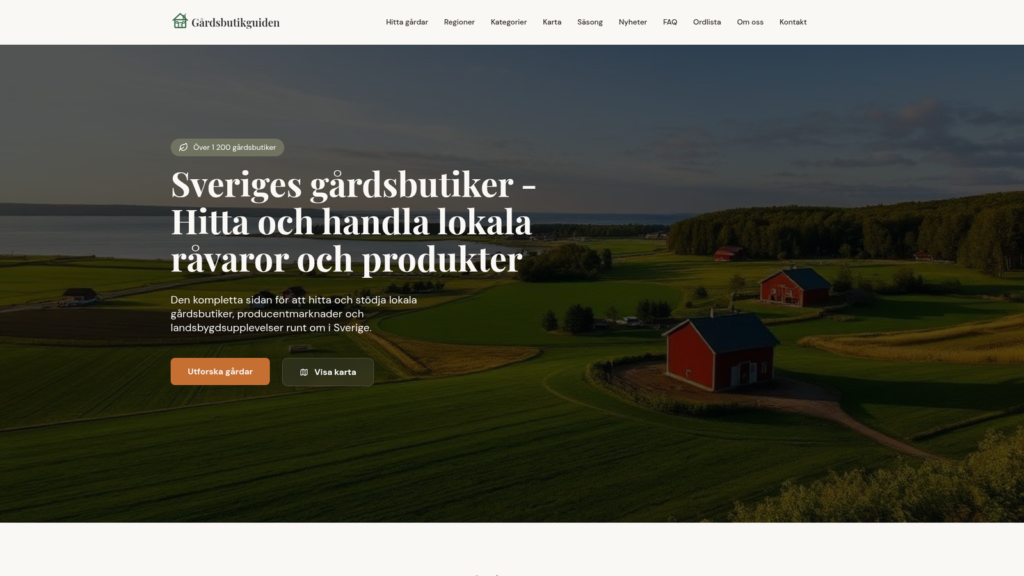
Sveriges kompletta guide till lokala gårdsbutiker, producentmarknader och landsbygdsupplevelser. Hive Creatives byggde plattformen som samlar över 1 200 gårdsbutiker – sökbara på region, kategori och säsong.
Webbplats · Brand
Batteri Kommunikation
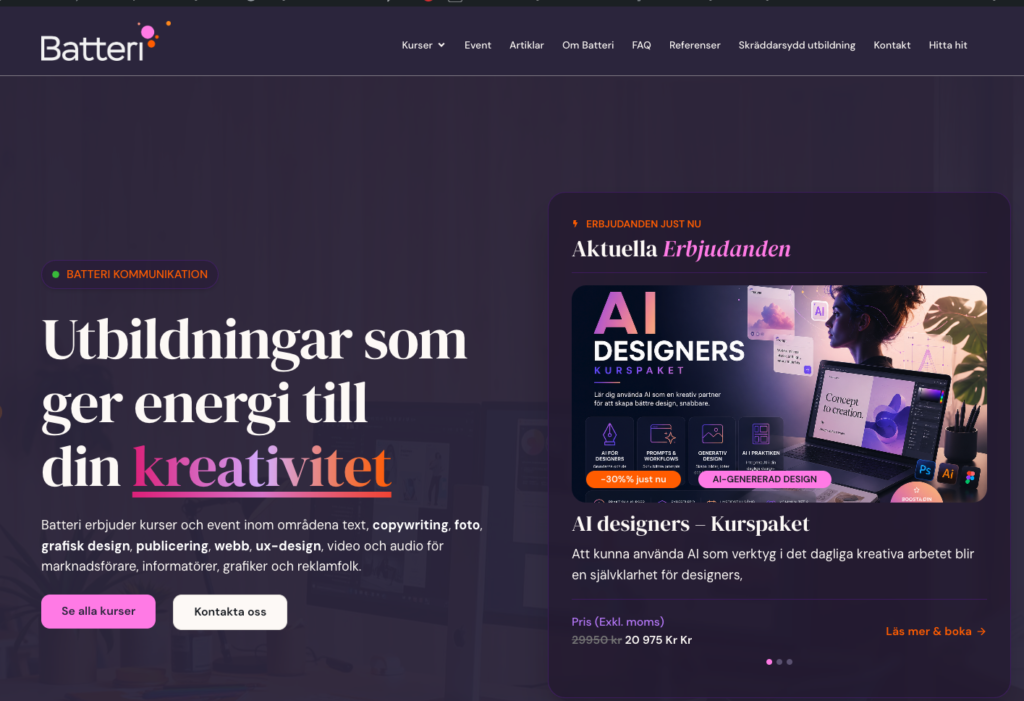
Batteri Kommunikation utbildar Sveriges kommunikatörer och designers – med de bästa föreläsarna, små grupper och en nyfikenhet som ligger steget före tekniken. Hive Creatives byggde den digitala plattformen som matchar den energin: en sajt som inspirerar, fyller kurser och växer i takt med ett kursutbud i ständig rörelse.
Web development - Design
Drinkkollen
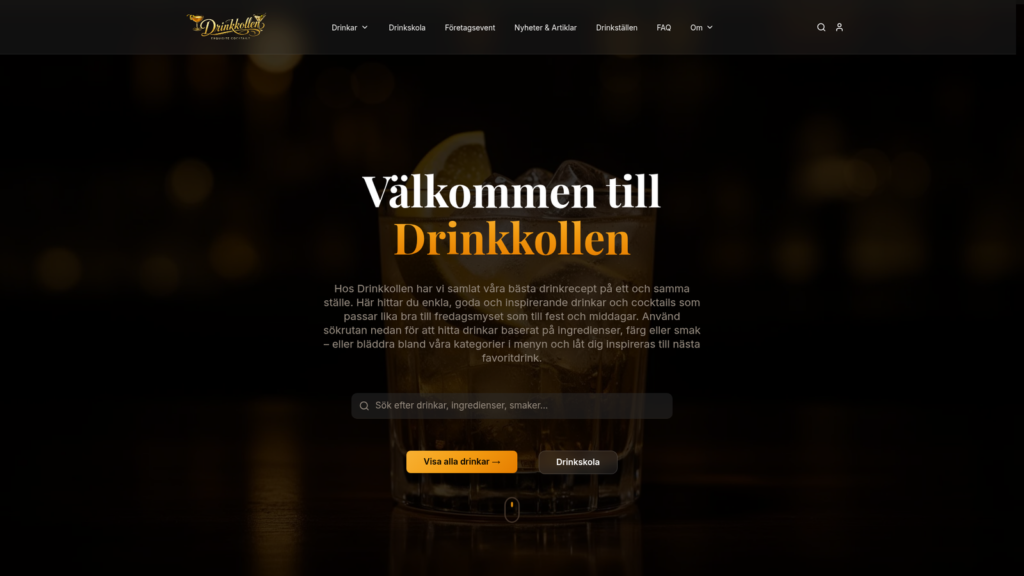
Drinkkollen is a user-centred, scalable cocktail platform that helps visitors find drinks based on the ingredients they already have at home - or by taste, mood and expression. Hive Creatives designed and built the entire digital experience.
Inspired by ICanSpoon?
Let's build something similar for you.
Book a free consultation and we'll walk through how we can help you reach similar results – tailored to your goals and your industry.