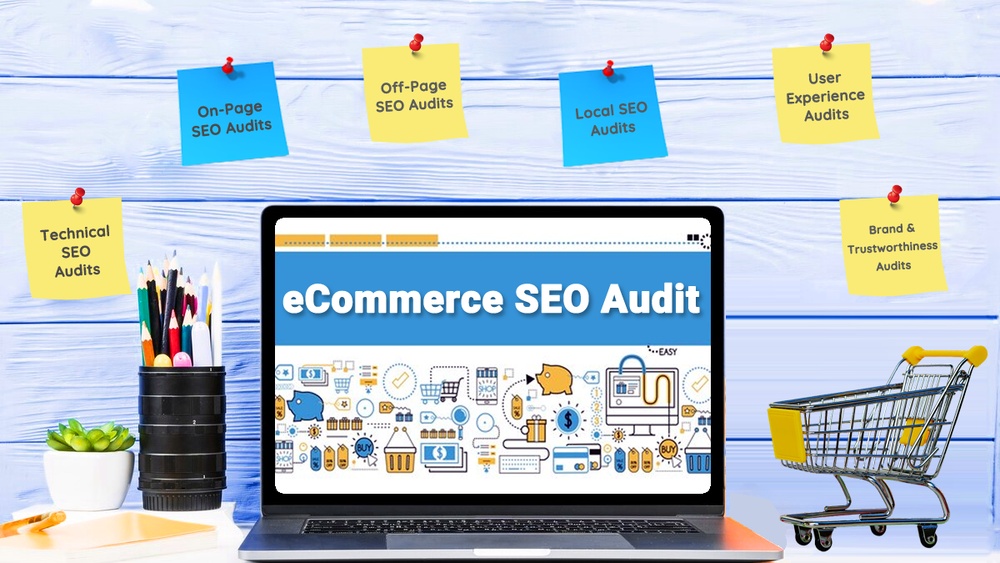
If you run an online store, you know how tough it is to stand out. Your customers are just a click away from choosing a competitor.
That’s where an Ecommerce SEO audit comes in. It’s the secret tool that can reveal what’s holding your site back and show you exactly how to fix it. Imagine turning your website into a traffic magnet that draws in eager buyers every day.
You’ll discover simple steps to uncover hidden problems, boost your search rankings, and increase your sales. Ready to unlock your store’s true potential? Keep reading.

Credit: www.shopify.com
Importance Of Ecommerce Seo
Ecommerce SEO is key for any online store. It helps websites rank higher in search results. This makes it easier for shoppers to find products. Higher visibility means more visitors and potential buyers. SEO is not just about search engines but also users. A good SEO strategy improves how customers interact with the site.
Impact On Online Sales
SEO drives targeted traffic to ecommerce sites. More visitors often lead to more sales. Ranking on the first page brings trust and credibility. Users tend to click on top results more. SEO also helps show the right products to the right buyers. This increases chances of completing a purchase.
Enhancing User Experience
SEO improves site speed and navigation. Fast-loading pages keep visitors engaged longer. Clear menus and categories help users find products quickly. Mobile-friendly designs make shopping easy on phones. Good SEO reduces bounce rates and increases satisfaction. Happy users are more likely to return and buy again.
Credit: aioseo.com
Key Areas To Audit
Conducting an ecommerce SEO audit means checking important parts of your website. These parts help your site rank better on search engines. Auditing key areas improves user experience and boosts sales.
Focus on these main areas to find issues and fix them. Each area affects how search engines see your site and how visitors interact with it.
Website Structure And Navigation
Website structure impacts how easily search engines crawl your site. Clear navigation helps users find products fast. Use simple menus and logical categories. Avoid deep pages that are hard to reach. A well-organized site helps both visitors and search engines.
Product Page Optimization
Product pages must have unique titles and descriptions. Use keywords that customers search for. Add clear images and detailed product info. Include customer reviews and easy-to-use call-to-action buttons. Optimized pages rank higher and convert more visitors into buyers.
Mobile-friendliness
Many shoppers use phones to browse and buy. A mobile-friendly site adjusts to all screen sizes. Buttons and text must be easy to read and click. Google prefers mobile-friendly websites in search results. Test your site on different devices to ensure smooth use.
Site Speed And Performance
Fast-loading pages keep visitors from leaving. Slow sites lose sales and rank lower. Compress images and use caching to speed up. Choose a good hosting provider. Regularly test your site speed and fix delays quickly.
On-page Seo Techniques
On-page SEO techniques are vital for ecommerce websites. They help search engines understand your pages better. This improves your site’s visibility and ranking. Focus on optimizing each page carefully. Small changes can bring big results.
Keyword Research For Ecommerce
Choose keywords that buyers use to find products. Use tools to find popular and relevant search terms. Include long-tail keywords with specific phrases. These often have less competition and higher intent. Place keywords naturally in product titles and descriptions. Avoid keyword stuffing to keep content clear.
Optimizing Titles And Meta Descriptions
Create unique and clear titles for every page. Include main keywords near the start. Keep titles under 60 characters for full display in search results. Write meta descriptions that summarize the page content. Use 150 to 160 characters to engage users. Good titles and descriptions increase click rates.
Using Schema Markup
Schema markup helps search engines read your site better. Add structured data for products, prices, reviews, and availability. This can create rich snippets in search results. Rich snippets catch users’ eyes and improve click-through rates. Use JSON-LD format for easy integration. Validate schema to avoid errors.
Content Strategies For Ecommerce
Content plays a key role in ecommerce success. It drives traffic and helps customers make choices. Strong content strategies improve search rankings and boost sales. Focus on clear, helpful, and engaging text for every page.
Well-crafted content meets user needs and answers questions. It builds trust and encourages buying. Here are some effective content tactics for ecommerce sites.
Product Descriptions That Convert
Write product descriptions that explain features and benefits clearly. Use simple language to describe what the product does. Highlight how it solves a problem or improves life. Include size, color, and material details. Short paragraphs and bullet points increase readability. Avoid copy-pasting manufacturer text; create original and unique descriptions.
Creating Buyer Guides And Blogs
Buyer guides help shoppers choose the right products. Break down complex information into easy steps. Use clear headings and visuals to explain choices. Blogs add fresh content and target specific keywords. Focus on common questions and useful tips. Regular posts keep your site active and relevant.
Leveraging User-generated Content
User-generated content builds trust and authenticity. Encourage customers to leave reviews and share photos. Showcase testimonials to highlight positive experiences. Respond to feedback to show you value customers. This content adds unique words and phrases that improve SEO. It also helps future buyers feel confident.
Technical Seo Checks
Technical SEO checks are crucial for ecommerce sites. They ensure your website runs smoothly and ranks well on search engines. These checks help fix errors that block search engines from crawling your pages. A fast, secure, and well-structured site offers a better user experience.
Regular technical audits catch issues early. This prevents traffic loss and sales decline. Below are key technical SEO tasks every ecommerce site must perform.
Fixing Broken Links
Broken links harm user experience and SEO. They lead visitors to dead ends. Search engines see broken links as a sign of poor site quality. Scan your site often to find broken links. Replace or remove them quickly. Use tools like Google Search Console or Screaming Frog to detect broken links. Fixing these links keeps visitors engaged and improves your site’s trust.
Implementing Https
HTTPS secures your ecommerce site. It protects customer data like passwords and payment details. Google favors secure sites in rankings. Without HTTPS, browsers show warnings that scare visitors away. Install an SSL certificate to enable HTTPS. Check your entire site to ensure all pages use HTTPS. A secure site builds trust and boosts SEO performance.
Ensuring Proper Url Structure
URLs should be simple and easy to read. Clear URLs help search engines understand page content. Avoid long strings of random numbers or symbols. Use keywords that describe the page topic. Keep URLs short and consistent across the site. Proper URL structure improves indexing and user navigation. This leads to higher search rankings and better user experience.
Link Building Approaches
Link building plays a vital role in an ecommerce SEO audit. It helps improve website authority and boosts search engine rankings. Strong links signal trust and relevance to search engines. Effective link building approaches focus on quality and relevance. Low-quality links can harm your site’s reputation. The goal is to attract links from trusted and related sources. This section covers key strategies to build valuable links for your ecommerce site.
Earning Quality Backlinks
Create helpful and unique content that others want to share. Write blog posts, guides, and product reviews that add value. Reach out to industry blogs or websites for guest posting. Offer useful resources that naturally attract links. Keep content relevant to your ecommerce niche. Avoid buying links or using spammy tactics. Quality backlinks increase your site’s trust and search visibility.
Partnering With Influencers
Connect with influencers who match your product category. Influencers can share your products with their followers. This creates natural backlinks from social profiles and blogs. Choose influencers with engaged audiences, not just large numbers. Provide them with free samples or exclusive deals. Genuine partnerships lead to authentic mentions and links. Influencer links boost your ecommerce brand’s online presence.
Utilizing Social Media
Social media platforms help spread your content and links. Share product pages, blog posts, and promotions regularly. Engage with followers to encourage sharing and comments. Social signals can drive traffic and indirect SEO benefits. Join groups or communities related to your niche. Share helpful tips and answers to build authority. Social media links support your overall link building efforts.
Tracking And Measuring Success
Tracking and measuring success is essential for any ecommerce SEO audit. It shows how well your efforts work. Without tracking, you cannot know what needs fixing. It helps you find which parts of your site bring traffic and sales. You can also spot problems early and adjust your strategy. Using clear data makes your SEO work smarter and more focused.
Using Analytics Tools
Analytics tools collect data about your website visitors. They tell you how many people visit and what pages they see. Tools like Google Analytics show where visitors come from and how long they stay. This information helps you understand user behavior. You can see which pages attract more customers and which need improvement. Tracking user paths also reveals drop-off points where visitors leave.
Monitoring Keyword Rankings
Keyword rankings show how your site ranks in search engines. Tracking these rankings helps check your SEO progress. Higher rankings usually lead to more traffic and sales. You can track keywords related to your products and brand. This helps identify which keywords perform well and which do not. Regular monitoring allows quick response to ranking drops and new opportunities.
Analyzing Conversion Rates
Conversion rates measure how many visitors make a purchase or complete goals. This metric shows the effectiveness of your SEO and website design. A high conversion rate means your site turns visitors into customers well. Analyzing this data helps find barriers in the buying process. Improving these areas can increase sales without needing more traffic. Focus on making the checkout process smooth and easy.
Common Seo Mistakes To Avoid
Many ecommerce sites face common SEO problems. These errors can hurt your site’s ranking and traffic. Avoiding these mistakes helps improve your search engine results. Focus on fixing key SEO issues for better visibility.
Keyword Stuffing
Keyword stuffing means using too many keywords unnaturally. It makes content hard to read. Search engines may penalize sites that do this. Use keywords wisely and naturally in your text. Write for people, not just search engines.
Duplicate Content Issues
Duplicate content confuses search engines about which page to show. It lowers your rankings and traffic. Ensure each page has unique content. Avoid copying product descriptions or blog posts across pages. Use tools to find and fix duplicates.
Ignoring Mobile Optimization
Many users shop on mobile devices. Sites not optimized for mobile lose visitors quickly. Mobile-friendly design improves user experience and search ranking. Use responsive layouts and fast loading times. Test your site on different devices regularly.

Credit: webmeridian.net
Frequently Asked Questions
What Is An Ecommerce Seo Audit?
An ecommerce SEO audit reviews your online store’s website to identify SEO issues. It helps improve search rankings and user experience. The audit covers site structure, keywords, content, and technical SEO factors to boost organic traffic and sales effectively.
How Often Should You Perform An Ecommerce Seo Audit?
Perform an ecommerce SEO audit at least twice a year. Regular audits help identify new issues and adapt to search engine updates. Frequent checks ensure your site remains optimized, competitive, and aligned with changing SEO best practices.
What Key Areas Does An Ecommerce Seo Audit Cover?
An ecommerce SEO audit covers site speed, mobile usability, metadata, product descriptions, and backlinks. It also examines URL structure, duplicate content, and keyword optimization. These areas impact your site’s visibility, user experience, and conversion rates significantly.
How Can An Seo Audit Improve Ecommerce Sales?
An SEO audit improves ecommerce sales by enhancing site visibility and user engagement. It fixes SEO errors, boosts organic traffic, and optimizes product pages. Better SEO leads to higher rankings, more visitors, and increased conversions, driving revenue growth.
Conclusion
Regular ecommerce SEO audits help keep your website healthy. They find issues that slow down your site or hurt rankings. Fixing these problems improves user experience and search visibility. Check your product pages, site speed, and keywords often. Small changes can bring steady traffic growth.
Keep learning and updating your SEO strategies. Your online store will stay competitive and attract more buyers. Don’t skip audits—they are key to long-term success. Simple steps lead to better search results and sales. Stay consistent, and watch your ecommerce site improve.