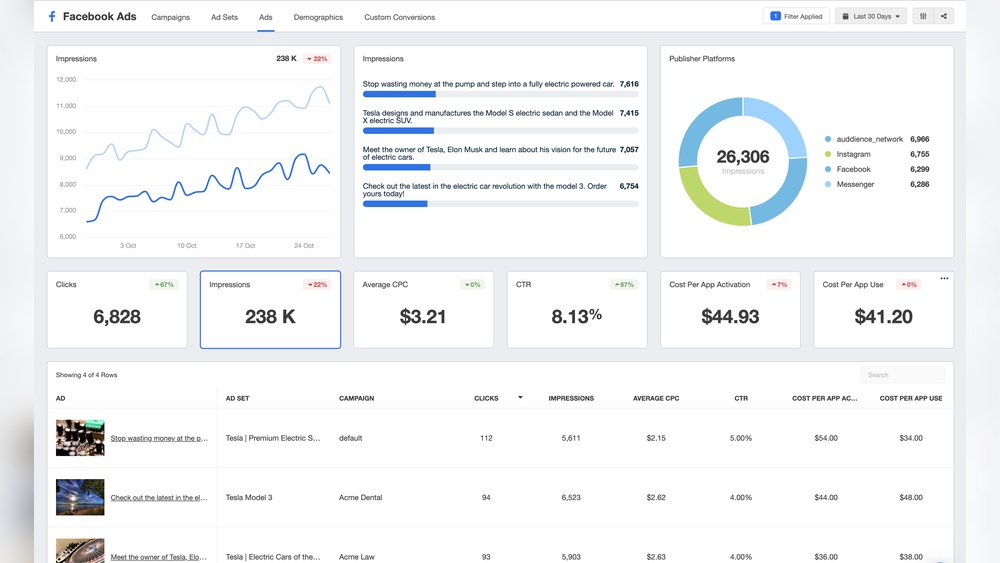
If you want to make the most out of your advertising budget, understanding Facebook Ads stats is a must. Knowing how your ads perform can help you reach the right people, boost your sales, and avoid wasting money.
You’ll discover key numbers and insights that reveal what really works on Facebook. By the end, you’ll have the tools to create smarter ads that grab attention and get results. Ready to unlock the secrets behind successful Facebook advertising? Keep reading.
Facebook Ads Landscape
Facebook Ads remain a key tool for businesses to reach customers worldwide. The platform offers a vast space for brands of all sizes. Understanding the Facebook Ads landscape helps businesses make smart choices.
From market size to user types and ad styles, each factor shapes ad success. This section breaks down the key areas in the Facebook Ads world.
Current Market Size
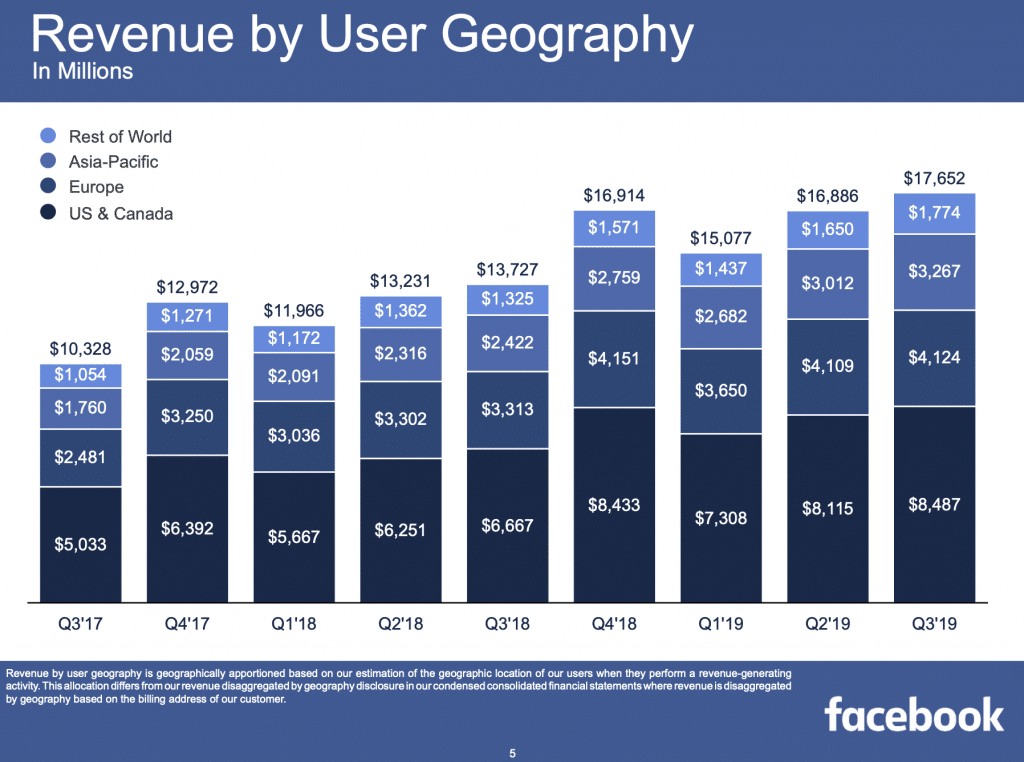
Facebook Ads spend exceeds $100 billion annually. This number shows how many companies trust Facebook. The platform serves over 2 billion active users monthly. These users create huge opportunities for advertisers. Facebook holds a large share of social ad budgets. Its wide reach makes it a preferred ad space.
User Demographics
Facebook users come from many age groups. Most users are between 25 and 44 years old. Both men and women use Facebook almost equally. The platform is popular in countries worldwide. Mobile users make up over 90% of Facebook’s audience. Advertisers can target specific locations, ages, and interests easily.
Ad Formats Popularity
Image ads lead as the most common format. Video ads gain fast popularity due to high engagement. Carousel ads allow showing multiple products in one ad. Stories ads capture attention with full-screen visuals. Collection ads help users browse products without leaving Facebook. Each format suits different business goals.
Credit: www.andreavahl.com
Key Performance Metrics
Understanding key performance metrics is essential for running effective Facebook ads. These metrics show how well your ads connect with your audience. They help you make smart choices to improve your campaigns.
Tracking these numbers gives clear insight into what works and what doesn’t. It saves time and money by focusing on the best strategies.
Click-through Rates
Click-through rate (CTR) measures how many people click your ad after seeing it. A higher CTR means your ad is interesting and relevant. Average Facebook ad CTR is around 0.9%. Ads with strong images and clear messages often get better CTR.
Conversion Rates
Conversion rate shows how many users take a desired action after clicking. This could be buying a product, signing up, or downloading a file. A good conversion rate indicates your ad and landing page work well together. Typical Facebook conversion rates range from 2% to 5%, depending on the industry.
Cost Per Click Trends
Cost per click (CPC) reveals how much you pay for each click on your ad. CPC varies by audience, industry, and ad quality. Over time, CPC on Facebook has risen slightly but remains affordable. Monitoring CPC helps you manage your budget and improve your return on investment.
Emerging Trends
Facebook ads keep changing fast. New trends shape how businesses reach people online. Watching these trends helps marketers stay ahead. It also improves ad results and saves money.
Emerging trends show clear shifts in ad types and technology use. These changes focus on better user experience and smarter targeting. Let’s explore some key trends driving Facebook ads today.
Video Ads Growth
Video ads on Facebook are growing quickly. People watch more videos than ever before. Videos catch attention better than pictures or text alone. They help explain products simply and clearly. Marketers use short videos to increase clicks and sales. Facebook favors video content in its ad system. This trend is likely to continue rising.
Mobile-first Strategies
Most Facebook users access the platform on phones. Ads designed for mobile screens perform much better. Mobile-first ads load faster and look better on small devices. Businesses create vertical and square ads for easier viewing. Mobile-friendly ads also improve user engagement and reduce costs. Ignoring mobile users can lower ad success rates.
Ai And Automation Impact
Artificial intelligence and automation play a bigger role. Facebook uses AI to show ads to the right people. Automation helps set budgets and choose bids automatically. This saves time and improves ad targeting. Marketers rely on AI tools to test and optimize ads quickly. AI makes ads smarter, not just faster.
Audience Targeting Insights
Facebook Ads offer powerful tools to reach the right people. Audience targeting helps advertisers show ads to users who matter most. Understanding how different targeting options perform can improve ad success. Below are key insights about popular Facebook audience targeting methods.
Lookalike Audiences Success
Lookalike audiences use data from your best customers. Facebook finds new users who share similar traits. This method often brings higher engagement and conversions. Advertisers see increased click-through rates by reaching fresh but relevant people. It helps grow your audience without losing focus on quality.
Retargeting Effectiveness
Retargeting shows ads to users who visited your site or app. These users already showed interest in your product or service. Retargeted ads get more clicks and sales than cold audiences. The cost per conversion is usually lower. Retargeting keeps your brand in front of potential buyers.
Interest-based Targeting Results
Interest-based targeting reaches users based on hobbies and preferences. It can be broad or very specific. Ads targeting narrow interests may have higher engagement but smaller reach. Broad interests increase reach but might lower conversion rates. Testing different interest groups helps find the best fit for your campaign.
Creative Best Practices
Creative elements are key to successful Facebook ads. They catch attention and drive clicks. Strong visuals and clear messages boost ad performance. Small changes in creativity can improve results greatly.
Visual Elements That Convert
Use bright, clear images that show the product or service well. Faces and emotions attract viewers and build trust. Simple designs with a focus point increase engagement. Avoid clutter and too much text in images. Videos under 15 seconds keep viewers interested. Use brand colors to stay recognizable.
Ad Copy Techniques
Write short, direct sentences that explain benefits quickly. Use action words to invite users to click or buy. Highlight what makes your offer special or different. Ask questions to involve readers and spark interest. Include numbers or facts for more trust. Keep the tone friendly and easy to read.
Testing And Optimization
Try different images, headlines, and calls to action. Check which ads get more clicks and conversions. Use Facebook’s split testing tools for clear results. Change one element at a time to see what works best. Stop ads that perform poorly to save budget. Keep improving ads based on data and feedback.
Budgeting And Bidding Strategies
Budgeting and bidding strategies play a key role in Facebook Ads success. They control how much you spend and how your ads compete in auctions. Smart budgeting ensures your ads reach the right people without overspending. Bidding strategies help you get the best results for your money.
Allocating Budgets Wisely
Set clear goals before deciding your budget. Divide your budget based on campaign goals and audience size. Test small budgets first to find what works best. Adjust spending between campaigns for better results. Avoid spending all your budget at once. Spread it over time to gather data and optimize.
Bidding Models Explained
Facebook offers several bidding options to fit your goals. Cost per click (CPC) means you pay when someone clicks your ad. Cost per mille (CPM) charges per 1,000 ad impressions. Cost per action (CPA) focuses on specific actions like purchases. Automatic bidding lets Facebook choose the best bid for you. Manual bidding allows control over your maximum bid.
Maximizing Roi
Track your ad performance regularly. Pause ads that do not perform well. Use data to shift budget to high-performing ads. Test different bids to find the most cost-effective one. Focus spending on audiences that convert more. Keep your bids competitive but within your budget limits. Small changes can lead to better returns.
Case Studies
Case studies offer real examples of how Facebook Ads impact businesses. They show results from actual campaigns. These stories help understand what works and what does not. They provide useful insights for advertisers of all sizes.
Below, explore different case studies highlighting small businesses, e-commerce, and brand awareness efforts. Each tells a unique story of success through Facebook Ads.
Small Business Successes
Local shops used Facebook Ads to reach nearby customers. One bakery increased daily foot traffic by 40%. Ads targeted people within five miles. The budget was low but highly focused. This led to more sales and repeat visitors.
Another small gym gained 150 new members in three months. Ads promoted special discounts and free trials. The gym’s owner tracked results and adjusted ads weekly. The tailored approach saved money and improved engagement.
E-commerce Campaign Wins
Online stores saw strong sales growth with Facebook Ads. A clothing brand doubled its monthly revenue in six weeks. They used dynamic ads showing products customers viewed. Retargeting helped bring back visitors who left without buying.
Another e-commerce business increased its return on ad spend by 300%. They tested different ad formats and optimized for mobile users. Quick analysis of data led to better targeting and higher conversions.
Brand Awareness Boosts
Many companies use Facebook Ads to build brand recognition. A new tech startup gained 50,000 page followers in two months. Their ads shared helpful content and customer stories. The consistent message helped create trust and interest.
A nonprofit organization raised awareness for its cause. Video ads reached over 1 million people in a few weeks. They focused on emotional storytelling and clear calls to action. This increased website visits and volunteer sign-ups.

Credit: www.invoca.com
Credit: www.advertisemint.com
Frequently Asked Questions
What Are The Latest Facebook Ads Engagement Rates?
The average Facebook Ads engagement rate is around 0. 09%. This varies by industry and ad format. Video ads generally see higher engagement compared to image ads.
How Much Do Facebook Ads Cost On Average?
Facebook Ads cost about $0. 97 per click on average. Cost depends on targeting, competition, and ad quality. Smaller budgets can still yield good results with proper optimization.
Which Facebook Ad Format Performs Best?
Video ads typically perform best on Facebook. They capture attention quickly and encourage more interactions. Carousel and slideshow ads also show strong engagement.
How Effective Are Facebook Ads For Small Businesses?
Facebook Ads help small businesses reach targeted audiences affordably. They offer precise targeting options and measurable results, making them ideal for growth and brand awareness.
Conclusion
Facebook Ads offer valuable data for businesses and marketers. These stats show how ads reach different audiences. They help improve ad performance and budget use. Tracking key numbers guides better decisions. Small changes can lead to big results. Use these insights to plan your next campaign.
Stay aware of trends and user behavior. This knowledge supports smarter advertising choices. Keep testing and learning to get the best outcomes. Facebook Ads stats are a useful tool for success.